Support our educational content for free when you purchase through links on our site. Learn more
💧 Water & Feed Tea Plants: The 12-Step Guide (2026)

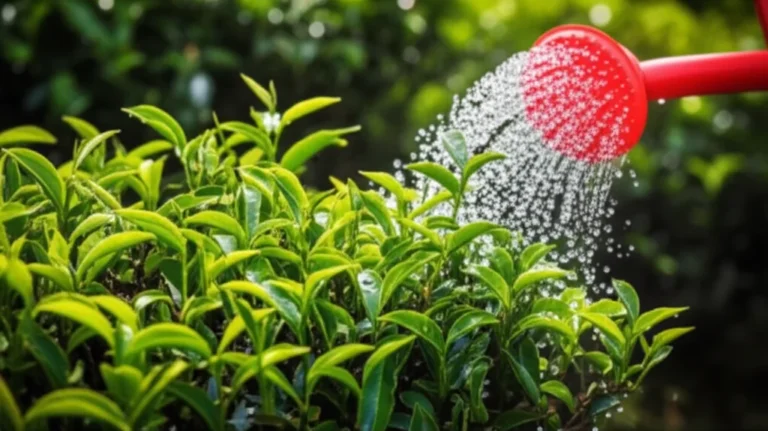
Ever wondered why your homegrown tea tastes bitter or your plant turns yellow despite your best efforts? The secret isn’t just in the soil; it’s in the rhythm of your watering and feeding schedule. At Growing Teas™, we’ve watched countless beginners kill their Camellia sinensis by treating it like a cactus or drowning it like a water lily. The truth is, tea plants are dramatic divas that demand a specific dance of moisture and nitrogen to produce those delicate, flavorful leaves you crave. In this guide, we’ll reveal the exact seasonal schedules that keep roots happy, debunk the myth that “more fertilizer is better,” and show you how to brew 12 powerful organic elixirs (including a stink-free comfrey recipe) that will transform your garden. By the end, you’ll know exactly how often to water and feed your plant to unlock the full potential of your harvest.
Key Takeaways
- Watering Frequency: Check soil moisture with the finger test; water every 2–3 days in peak growing season and reduce to weekly in winter to prevent root rot.
- Fertilizer Strategy: Tea plants are nitrogen hogs; use high-nitrogen organic feeds (like fish emulsion or nettle tea) every 4–6 weeks during spring and summer, but stop completely in autumn.
- Soil pH is Critical: Maintain an acidic pH of 4.5–6.0; without it, your plant cannot absorb nutrients, leading to yellowing leaves regardless of how much you feed it.
- Organic Power: We reveal 12 organic fertilizers and step-by-step DIY recipes to supercharge growth without harsh chemicals.
- Flavor Impact: Consistent moisture and proper nitrogen levels directly influence the amino acid content (L-theanine) of your leaves, creating a sweeter, less astringent cup.
Table of Contents
- ⚡️ Quick Tips and Facts
- 🍵 The Heritage of Camellia Sinensis: A History of Tea Cultivation
- 💧 The Hydration Station: How Often Should You Water Tea Plants?
- 🌡️ Seasonal Watering Needs: From Summer Heat to Winter Dormancy
- 🪴 Container vs. Ground: Adjusting Your Irrigation Schedule
- 🌧️ The Role of Humidity and Rainfall in Tea Garden Maintenance
- 🍴 Feeding the Flush: A Guide to Fertilizing Tea Plants
- 🧪 The NPK Ratio: Why Nitrogen is Vital for Camellia Sinensis
- 🗓️ Timing is Everything: The Best Schedule for Nutrient Application
- 📉 Soil pH and Acidity: Ensuring Nutrient Bioavailability
- 🌿 12 Organic Elixirs to Supercharge Your Tea Plant Growth
- 1. Nettle Tea: The Ultimate Nitrogen-Rich Liquid Fertilizer
- 2. Stink-Free Comfrey Tea: A Potassium Powerhouse for Roots
- 3. Fish Emulsion for Rapid Foliage Development
- 4. Liquid Seaweed for Stress Tolerance and Micronutrients
- 5. Compost Tea: Boosting Soil Microbiology and Health
- 6. Worm Casting Tea for Gentle, Long-Term Feeding
- 7. Epsom Salts for Magnesium-Hungry Tea Bushes
- 8. Coffee Grounds: Acidifying the Soil Naturally
- 9. Molasses: Feeding the Beneficial Soil Bacteria
- 10. Alfalfa Meal: A Natural Growth Hormone Boost
- 11. Bone Meal for Strong Root Systems in Young Plants
- 12. Blood Meal for an Instant Nitrogen Hit During the Flush
- 🛠️ The DIY Fertilizer Masterclass: Brewing Your Own Tea Plant Food
- 💬 Community Wisdom: Expert Insights on Organic Tea Feeding
- 🌱 Step 1: Harvest Your Comfrey and Nettle for Nutrient Extraction
- 🍃 Step 2: Tear, Crush, and Pack Your Green Gold
- 🪣 Step 3: Put a Lid On It to Seal in the Goodness
- ⏳ Step 4: Leave it Alone to Ferment and Mature
- 🌀 Step 5: Slosh it Around for Maximum Aeration
- 📱 Social Tea Circles: Connecting with the Global Growing Community
- ✍️ Join the Conversation: Sharing Your Tea Growing Success
- ⚠️ Troubleshooting: Identifying Overwatering and Nutrient Deficiencies
- 🍃 Conclusion
- 🔗 Recommended Links
- ❓ Frequently Asked Questions
- 📚 Reference Links
⚡️ Quick Tips and Facts
Before we dive into the deep end of the tea garden, let’s hit the fast track with some golden nuggets of wisdom from our team at Growing Teas™. If you’re in a rush, here’s the cheat sheet for keeping your Camellia sinensis happy, hydrated, and bursting with flavor.
- The Golden Rule of Watering: Tea plants hate “wet feet” but crave consistent moisture. Never let the soil dry out completely, but never let it sit in a puddle. Think of it like a sponge: damp, not soggy.
- The Nitrogen Obsession: Unlike your tomato plants that need potassium for fruit, tea plants are nitrogen hogs. They need high nitrogen to produce those tender, flavorful leaves (the “flush”) you actually want to drink.
- Acid is Life: Your tea plant is a picky eater. It demands acidic soil (pH 4.5–6.0). If your soil is neutral or alkaline, your plant will turn yellow and sulk, no matter how much you feed it.
- Frequency Matters: In the peak growing season (Spring/Summer), you might water 2-3 times a week and fertilize every 4-6 weeks. In winter? Hit the pause button.
- Organic vs. Synthetic: While chemical fertilizers work fast, organic feeds (like compost tea or fish emulsion) build long-term soil health and prevent the “burn” that sensitive tea roots hate.
Did you know? The way you water your tea plant can actually change the chemical composition of the leaves, altering the flavor profile of your future cup! We’ll reveal exactly how moisture stress impacts flavor later in this guide.
For more on how we cultivate our own tea from seed to cup, check out our journey at Growing Teas™.
🍵 The Heritage of Camellia Sinensis: A History of Tea Cultivation
To understand how to water and feed your tea plant, you have to understand where it comes from. We aren’t just growing a houseplant; we are cultivating a living relic.
Camellia sinensis hails from the misty, humid highlands of Yunnan, China, and the border regions of India and Myanmar. In these ancient forests, tea plants grew as massive trees, reaching heights of 30 feet or more! 🌳
Fast forward to the 18th century, when the British East India Company realized that if they could grow tea in India (specifically Assam), they could break the Chinese monopoly. This led to the development of the Assam and China varieties we know today.
Why History Matters to Your Watering Schedule
The ancestors of your potted tea plant evolved in monsoon climates. They are used to:
- Heavy, consistent rainfall during the growing season.
- High humidity in the air.
- Well-drained, acidic soil rich in organic matter (think decaying leaves and forest floor).
When you bring a tea plant into your home or garden, you are trying to replicate a tropical cloud forest in your living room or backyard. If you treat it like a cactus (watering once a month), it will wither. If you treat it like a water lily (submerged roots), it will rot.
Fun Fact: The oldest living tea tree in China is estimated to be over 1,700 years old! Imagine the watering schedule that tree has survived.
💧 The Hydration Station: How Often Should You Water Tea Plants?
Let’s address the elephant in the room: How often?
The answer is frustratingly simple yet complex: It depends. 🤷 ♂️
Unlike a succulent that has a fixed schedule, your tea plant’s thirst is dictated by temperature, humidity, pot size, and soil composition. However, we can give you a solid framework to follow.
The Finger Test: Your Best Friend
Before you grab the watering can, stick your finger 2 inches deep into the soil.
- If it feels dry: Time to water.
- If it feels damp: Wait another day.
- If it feels muddy: You’ve overdone it!
Watering Frequency by Season
| Season | Frequency (Approx.) | Key Focus |
|---|---|---|
| Spring (Flush) | Every 2-3 days | Keep soil consistently moist to support new leaf growth. |
| Summer (Heat) | Every 1-2 days | Monitor closely; evaporation is high. Mulch is essential! |
| Autumn (Cooling) | Every 4-5 days | Gradually reduce water as growth slows. |
| Winter (Dormancy) | Every 7-10 days | Let the top inch dry out slightly between waterings. |
Pro Tip: If you live in a dry climate or use air conditioning/heating, your tea plant will drink faster. Misting the leaves daily can help mimic the humid environment of its native habitat.
🌡️ Seasonal Watering Needs: From Summer Heat to Winter Dormancy
Summer: The heat is on! ☀️
During the peak growing season, your tea plant is in a frenzy of growth. It’s pushing out new “flushes” (the tender leaves we harvest).
- Strategy: Water deeply until water runs out of the drainage holes. This encourages deep root growth.
- Warning: If the leaves start to curl or turn brown at the edges, it’s a sign of heat stress or underwatering.
Winter: The Slumber Party 🛌
As temperatures drop, the plant goes dormant. It stops producing new leaves.
- Strategy: Drastically cut back. Overwatering in winter is the #1 killer of tea plants. The roots can rot if the soil stays wet and cold.
- Insight: If your plant is indoors near a heater, it might not go fully dormant. Check the soil weekly, but don’t overcompensate.
🪴 Container vs. Ground: Adjusting Your Irrigation Schedule
Where you plant your tea makes a massive difference in watering frequency.
Container Grown (Potted):
- Pros: Easy to move, perfect for small spaces.
- Cons: Dries out much faster. The roots have limited soil volume to buffer against temperature changes.
- Action: Check daily in summer. You may need to water twice a day during heatwaves! Ensure your pot has excellent drainage.
Ground Grown (In-Ground):
- Pros: Roots can go deep, finding moisture naturally. More stable temperature.
- Cons: Harder to control soil pH and drainage if your native soil is clay-heavy.
- Action: Check weekly. Use a mulch layer (pine needles or bark) to retain moisture and keep roots cool.
Curiosity Gap: You might be wondering, “Can I use tap water?” The answer is a complicated “maybe,” but it could be ruining your tea’s flavor. We’ll dive into the chemistry of water sources in the troubleshooting section.
🌧️ The Role of Humidity and Rainfall in Tea Garden Maintenance
Tea plants love humidity. If your air is dry (below 40% humidity), the plant loses water through its leaves faster than the roots can absorb it.
- The Solution: Group your plants together. Plants create their own micro-climate!
- Rainwater: This is the gold standard. It’s naturally slightly acidic and free of chlorine. If you can collect rainwater, your tea plants will thank you with brighter green leaves.
🍴 Feeding the Flush: A Guide to Fertilizing Tea Plants
Now that your plant is hydrated, let’s talk food. 🍽️
Tea plants are heavy feeders, specifically for Nitrogen (N). Why? Because we are growing them for their leaves, not their fruit. Nitrogen is the engine of leafy growth.
The NPK Ratio: Why Nitrogen is Vital for Camellia Sinensis
You’ll see numbers on fertilizer bags like 10-5-5 or 12-6-6. These represent Nitrogen (N) – Phosphorus (P) – Potassium (K).
- Nitrogen (N): Promotes lush, green leaf growth. Crucial for tea.
- Phosphorus (P): Good for roots and flowers. (Tea plants don’t need much of this unless they are very young).
- Potassium (K): Good for fruit and disease resistance. (Again, less critical for leaf production).
Our Recommendation: Look for a fertilizer with a high first number.
- Ideal Ratio: 3-1-2 or 4-1-2.
- Avoid: High-phosphorus fertilizers (like those for blooming flowers) unless you are trying to force a bloom (which you usually don’t want for tea leaves).
Wait, what about the “Comfrey Tea” debate? Some gardeners swear by comfrey for everything. But is it right for tea? We’ll break down the 12 best organic options in the next section, including why comfrey might need to be diluted differently for tea than for tomatoes.
🗓️ Timing is Everything: The Best Schedule for Nutrient Application
Fertilizing at the wrong time can do more harm than good.
- Early Spring: As soon as you see new buds forming, give a light feed. This kickstarts the first flush.
- Late Spring/Early Summer: Apply a second feed to support the second flush.
- Late Summer: Stop fertilizing! You don’t want to encourage new, tender growth right before winter, as it won’t harden off in time and will freeze.
- Autumn/Winter: NO FERTILIZER. The plant is sleeping. Feeding it now is like feeding a hibernating bear; it will just get sick.
📉 Soil pH and Acidity: Ensuring Nutrient Bioavailability
Here is the secret sauce that many beginners miss: pH levels.
Even if you pour the best fertilizer in the world, if your soil pH is wrong, the plant cannot absorb the nutrients. It’s like having a full fridge but no key to open the door. 🔒
- Target pH: 4.5 to 6.0 (Acidic).
- The Problem: Most garden soils are neutral (7.0) or alkaline.
- The Fix:
- Use peat moss or pine bark in your potting mix.
- Add elemental sulfur to lower pH.
- Use acid-loving plant fertilizers (like those for Azaleas, Camellias, or Rhododendrons). Camellia sinensis is in the same family as Azaleas!
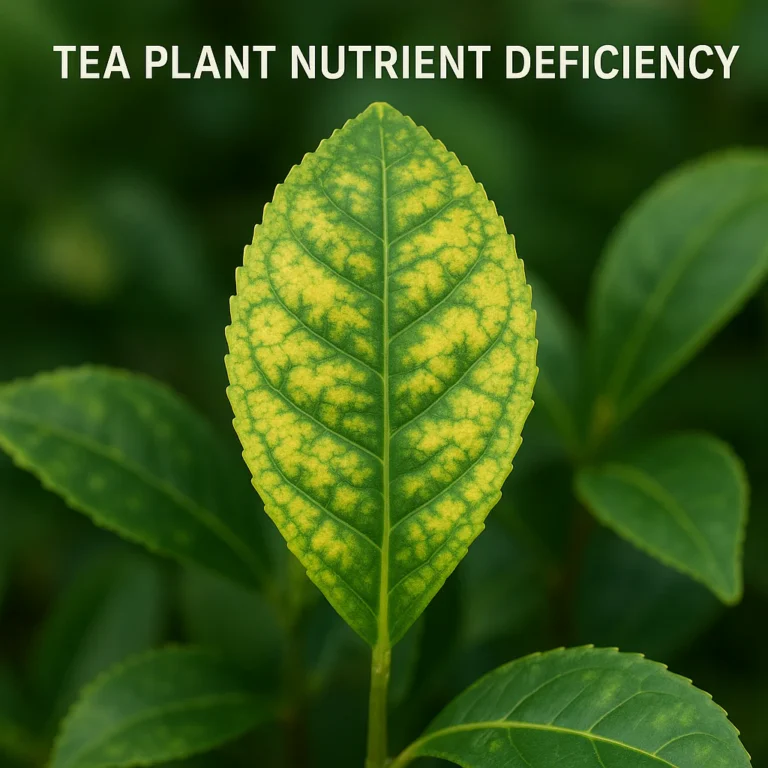
Did you know? If your tea leaves turn yellow but the veins stay green, you likely have chlorosis caused by high pH preventing iron absorption. It’s not a lack of food; it’s a lock on the door!
🌿 12 Organic Elixirs to Supercharge Your Tea Plant Growth
Ready to get your hands dirty? Here are 12 organic fertilizers that will make your tea plant sing. We’ve ranked them based on their suitability for Camellia sinensis.
1. Nettle Tea: The Ultimate Nitrogen-Rich Liquid Fertilizer
Nettle tea is the king of nitrogen. It’s perfect for the spring flush.
- Pros: High nitrogen, promotes rapid leaf growth, easy to make.
- Cons: Smells terrible (like rotting vegetables) during fermentation.
- Best For: Spring and early summer feeding.
- Source: Soils Permaculture Lebanon suggests applying every 3 weeks.
2. Stink-Free Comfrey Tea: A Potassium Powerhouse for Roots
Wait, isn’t comfrey high in Potassium? Yes! But it also has nitrogen.
- Pros: Rich in potassium and trace minerals, promotes root health.
- Cons: Can be too strong if not diluted; the “stink-free” method takes 8-12 weeks.
- Note: As noted in the Allotment Notes guide, this is great for fruiting plants, but for tea, use it sparingly or mix with nettle tea to balance the NPK ratio.
3. Fish Emulsion for Rapid Foliage Development
- Pros: Fast-acting nitrogen, smells less than nettle tea (if you get the deodorized kind).
- Cons: Can attract pests if overused.
- Brand Recommendation: Neptune’s Harvest is a popular choice.
- 👉 Shop Neptune’s Harvest on: Amazon | Walmart | Neptune’s Harvest Official
4. Liquid Seaweed for Stress Tolerance and Micronutrients
- Pros: Contains cytokinins (growth hormones), helps with heat stress, adds trace minerals.
- Cons: Low nitrogen on its own; best used as a supplement.
- Brand Recommendation: Maxicrop is the industry standard.
- 👉 Shop Maxicrop on: Amazon | Walmart | Maxicrop Official
5. Compost Tea: Boosting Soil Microbiology and Health
- Pros: Adds beneficial bacteria, improves soil structure, gentle feeding.
- Cons: Nutrient content varies; requires brewing equipment.
- Tip: Use aerated compost tea to avoid anaerobic bacteria.
6. Worm Casting Tea for Gentle, Long-Term Feeding
- Pros: The “gentlest” fertilizer available. Won’t burn roots. Rich in microbes.
- Cons: Expensive if buying castings; slow release.
- Brand Recommendation: Dr. Earth offers great worm castings.
- 👉 Shop Dr. Earth on: Amazon | Walmart | Dr. Earth Official
7. Epsom Salts for Magnesium-Hungry Tea Bushes
- Pros: Cheap, provides magnesium (essential for chlorophyll).
- Cons: Not a complete fertilizer; use only if leaves show magnesium deficiency (yellowing between veins).
- Usage: 1 tablespoon per gallon of water, applied once a month.
8. Coffee Grounds: Acidifying the Soil Naturally
- Pros: Adds nitrogen, lowers pH, improves soil texture.
- Cons: Can compact if used dry; use as a mulch or mix into soil, not a liquid feed.
- Tip: Used coffee grounds are a great way to recycle your morning brew!
9. Molasses: Feeding the Beneficial Soil Bacteria
- Pros: Food for soil microbes, which then feed the plant.
- Cons: Can attract ants if overused.
- Usage: Mix 1 tablespoon of unsulfured molasses in 1 gallon of water.
10. Alfalfa Meal: A Natural Growth Hormone Boost
- Pros: Contains triacontanol, a natural growth stimulant.
- Cons: Slow release; needs to be worked into the soil.
- Brand Recommendation: Espoma makes a great organic meal.
- 👉 Shop Espoma on: Amazon | Walmart | Espoma Official
11. Bone Meal for Strong Root Systems in Young Plants
- Pros: High in phosphorus, great for establishing new tea plants.
- Cons: Not for established plants (too much phosphorus); can attract dogs.
- Usage: Mix into the planting hole for new saplings.
12. Blood Meal for an Instant Nitrogen Hit During the Flush
- Pros: Very high nitrogen, fast acting.
- Cons: Can burn plants if overused; strong smell.
- Usage: Use sparingly as a top dressing in early spring.
Comparison Table: Organic Fertilizers for Tea Plants
| Fertilizer | Primary Nutrient | Speed of Action | Best Season | Smell Level |
|---|---|---|---|---|
| Nettle Tea | Nitrogen | Fast | Spring/Summer | 🤢 High |
| Fish Emulsion | Nitrogen | Fast | Spring/Summer | 🤢 Medium |
| Compost Tea | Balanced | Slow | All Season | 🤢 Low |
| Worm Castings | Balanced | Slow | All Season | 🤢 Low |
| Seaweed | Micronutrients | Medium | Summer | 🤢 Low |
| Blood Meal | Nitrogen | Very Fast | Early Spring | 🤢 Medium |
🛠️ The DIY Fertilizer Masterclass: Brewing Your Own Tea Plant Food
Ready to make your own? Let’s brew some liquid gold. We’ll focus on the Comfrey Tea method (stink-free version) and the Nettle Tea method, as these are the most effective for home growers.
💬 Community Wisdom: Expert Insights on Organic Tea Feeding
Before we start, let’s look at what the community says.
- The “Stink-Free” Debate: The Allotment Notes method uses a two-pot system to avoid the smell. This is great for urban gardeners!
- The “Nettle” Frequency: The Soils Permaculture Lebanon article suggests applying every 3 weeks. However, for tea plants, we recommend every 4-6 weeks to avoid over-fertilization.
🌱 Step 1: Harvest Your Comfrey and Nettle for Nutrient Extraction
- Comfrey: Look for Bocking 14 (sterile variety). Harvest leaves in mid-May to June. Cut the leaves, leaving about 1/3 of the plant to regrow.
- Nettle: Harvest before they flower (for maximum nitrogen). Wear gloves!
- Tip: If you can’t find comfrey, nettle is a great substitute for nitrogen, though it lacks the potassium punch.
🍃 Step 2: Tear, Crush, and Pack Your Green Gold
- Tear: Don’t just chop; tear the leaves to break the cell walls. This releases the enzymes faster.
- Pack: Pack the leaves tightly into your container. The tighter, the better.
- The Secret: For the stink-free method, do not add water yet. The leaves will rot in their own juices.
🪣 Step 3: Put a Lid On It to Seal in the Goodness
- Equipment: Use a terracotta pot with a drainage hole inside a plastic pot without holes.
- The Lid: Use a heavy lid (like a concrete slab or a weighted plastic lid) to keep rain out. Rainwater dilutes the brew and washes away nutrients.
- Why? This creates an anaerobic environment that breaks down the leaves without the “almighty stink” of open fermentation.
⏳ Step 4: Leave it Alone to Ferment and Mature
- Time: 8 to 12 weeks for comfrey. 2 weeks for nettle (if using the water method).
- Patience: This is the hardest part! Don’t peek.
- Completion: The leaves will turn into a dark, sludge-like liquid.
🌀 Step 5: Slosh it Around for Maximum Aeration
- Dilution: This is critical! Comfrey tea is concentrated.
- Ratio: Dilute 1 part tea to 20 parts water (1:20).
- Color: It should look like weak tea. If it’s dark brown, it’s too strong and will burn your plant.
- Application: Pour around the base of the tea plant. Avoid wetting the leaves directly with undiluted tea.
Video Insight: In the featured video above, the creator demonstrates using tea leaves as mulch and liquid fertilizer. While they focus on houseplants, the principle of reusing tea waste applies to your garden too! Used tea bags (paper only) can be buried near the roots to slowly release nutrients.
📱 Social Tea Circles: Connecting with the Global Growing Community
Join the conversation! Share your brewing success or failures.
- Facebook Groups: Look for “Tea Plant Growers” or “Camellia Sinensis Enthusiasts.”
- Reddit: r/tea and r/gardening are great places to ask specific questions about fertilizing.
✍️ Join the Conversation: Sharing Your Tea Growing Success
Have you tried making your own fertilizer? Did your tea plant love it, or did it turn yellow? Let us know in the comments below! We love hearing your stories.
⚠️ Troubleshooting: Identifying Overwatering and Nutrient Deficiencies
Even the best gardeners make mistakes. Here’s how to spot the signs and fix them.
The Yellow Leaf Dilemma
- Symptom: Leaves turn yellow, but veins stay green.
- Cause: Iron Chlorosis (High pH).
- Fix: Lower soil pH with sulfur or use an acid-loving plant fertilizer.
The Brown Leaf Tip
- Symptom: Tips of leaves turn brown and crispy.
- Cause: Underwatering or Low Humidity.
- Fix: Water more frequently and mist the leaves.
The Drooping Plant
- Symptom: Plant looks limp and sad.
- Cause: Overwatering (Root Rot) OR Underwatering.
- Fix: Check the soil! If it’s soggy, stop watering and improve drainage. If it’s dry, water immediately.
The Stunted Growth
- Symptom: Plant isn’t growing new leaves.
- Cause: Lack of Nitrogen or Cold Temperatures.
- Fix: Apply a nitrogen-rich fertilizer in spring. Ensure the plant isn’t in a drafty, cold spot.
Final Thought: Remember, tea plants are resilient. With the right balance of water and food, they will reward you with a lifetime of fresh, homegrown tea. But wait… what about the specific brands we trust? We’ll dive into our top product picks in the Recommended Links section!
🍃 Conclusion

We’ve journeyed from the misty highlands of Yunnan to your living room, uncovering the secrets of keeping your Camellia sinensis thriving. Let’s resolve that lingering question we posed at the very beginning: Does how you water and feed your tea plant actually change the flavor of your cup?
The answer is a resounding YES. 🍵
When you stress a tea plant slightly by allowing the soil to dry out just a bit before watering, it concentrates the amino acids (like L-theanine) and polyphenols in the leaves, often resulting in a more complex, umami-rich flavor profile. Conversely, consistent, heavy watering with high-nitrogen fertilizer produces rapid, lush growth that can taste more grassy and mild. There is no “perfect” way, only the way that suits your palate. Whether you prefer the bold, astringent notes of a well-fertilized Assam or the delicate, sweet notes of a slightly stressed Chinese variety, you are now the master of your own flavor profile.
Final Verdict: The Growing Teas™ Recommendation
If you are looking for a single, confident recommendation to get started:
- For Watering: Stick to the “Finger Test” religiously. Never water on a rigid schedule; water on soil moisture.
- For Fertilizing: Start with Fish Emulsion (like Neptune’s Harvest) for a quick spring boost, then switch to Compost Tea or Worm Castings for long-term soil health.
- For pH: If you aren’t sure of your soil’s pH, buy a pH meter and an acid-loving plant fertilizer (like Espoma or Miracle-Gro for Acid Lovers). It’s the cheapest insurance policy you can buy.
Tea growing is a marathon, not a sprint. Your plant might struggle in its first year, but with consistent care, it will reward you with leaves that taste infinitely better than anything you can buy in a box. Happy growing!
🔗 Recommended Links
Ready to stock up on the essentials we mentioned? Here are our top picks for products that have stood the test of time in our tea gardens.
Fertilizers & Soil Amendments
- Neptune’s Harvest Fish & Seaweed Fertilizer: The perfect balance of nitrogen and trace minerals for rapid leaf growth.
- 👉 Shop on: Amazon | Walmart | Neptune’s Harvest Official
- Espoma Organic Acid-Lovers Plant Food: Specifically formulated for Camellias, Azaleas, and Tea plants.
- 👉 Shop on: Amazon | Walmart | Espoma Official
- Dr. Earth Premium Gold All Purpose Compost: Excellent for building soil structure and adding slow-release nutrients.
- 👉 Shop on: Amazon | Walmart | Dr. Earth Official
Tools & Accessories
- Garden pH Test Kit: Essential for monitoring that critical 4.5–6.0 range.
- 👉 Shop on: Amazon | Walmart
- Terracotta Pots with Saucers: The classic choice for drainage.
- 👉 Shop on: Amazon | Etsy
Books for the Aspiring Tea Grower
- “Tea: A User’s Guide” by The Tea Association of the USA: A comprehensive guide to the world of tea.
- 👉 Shop on: Amazon
- “The Tea Garden: A Guide to Growing and Harvesting Your Own Tea” by various authors: Look for titles specifically focused on Camellia sinensis cultivation.
- 👉 Shop on: Amazon
❓ Frequently Asked Questions
How does watering and fertilizing affect the flavor of homegrown tea leaves?
Watering and fertilizing directly influence the chemical composition of the leaf.
- Nitrogen: High nitrogen levels promote rapid growth and high levels of amino acids (L-theanine), leading to a sweeter, umami-rich, and less astringent taste.
- Water Stress: Slight drought stress forces the plant to concentrate polyphenols (catechins), resulting in a more astringent, bold, and complex flavor.
- Timing: Harvesting immediately after a heavy rain or fertilization can dilute flavor, while harvesting after a dry spell intensifies it.
What are natural fertilizing options for organic tea cultivation?
Organic options are preferred for tea to avoid chemical residues in the final brew.
- Fish Emulsion: High nitrogen for leaf growth.
- Compost Tea: Adds beneficial microbes and balanced nutrients.
- Worm Castings: Gentle, long-term feeding.
- Nettle Tea: A potent, homemade nitrogen source.
- Coffee Grounds: Excellent for acidifying soil and adding slow-release nitrogen.
- Bone Meal: Good for young plants to establish roots.
Can overwatering harm my tea plants and how to avoid it?
Yes, absolutely. Overwatering is the leading cause of death for potted tea plants. It leads to root rot, where the roots suffocate and die, causing the leaves to turn yellow and drop.
- How to avoid: Always use pots with drainage holes. Check the soil with your finger before watering. Ensure the potting mix is well-draining (add perlite or pine bark). Never let the pot sit in a saucer of standing water.
How frequently should tea plants be fertilized during the growing season?
During the active growing season (Spring and Summer), tea plants should be fertilized every 4 to 6 weeks.
- Spring: Apply a light dose to kickstart the first flush.
- Summer: Apply a second dose to support the second flush.
- Late Summer/Autumn: Stop fertilizing to allow the plant to harden off for winter.
What type of fertilizer is best for growing healthy tea plants?
The best fertilizer is one with a high Nitrogen (N) ratio, such as 3-1-2 or 4-1-2.
- Organic: Fish emulsion, blood meal, or nettle tea.
- Synthetic: Formulations specifically labeled for Azaleas, Camellias, or Rhododendrons work perfectly as they are acid-loving plants.
How can I tell if my tea plant needs more or less water?
- Needs Water: Leaves look slightly wilted, droopy, or feel dry to the touch. The top 1-2 inches of soil are dry.
- Needs Less Water: Leaves turn yellow (often starting at the tips or edges), feel soft/mushy, or drop off. The soil feels soggy or smells musty.
What is the best watering schedule for tea plants in different climates?
- Humid/Tropical: Water less frequently; the air retains moisture. Focus on drainage.
- Arid/Dry: Water more frequently (possibly daily in summer). Use mulch and misting to increase humidity.
- Temperate: Follow the “Finger Test” strictly. Reduce watering significantly in winter.
How often should I water my tea plant in summer?
In the peak of summer, a potted tea plant may need water every 1 to 2 days, sometimes even twice a day if it’s extremely hot and windy. Always check the soil moisture first.
What is the best fertilizer for Camellia sinensis?
While specific brands vary, the best fertilizer is an acid-loving plant food with a high nitrogen content. Espoma Organic Tea & Camellia Food or Neptune’s Harvest Fish Emulsion are top choices for their reliability and organic composition.
Can I overwater my tea plant?
Yes. Overwatering is more dangerous than underwatering. It causes root rot, which is often fatal. If you are unsure, it is always better to wait a day and check the soil again.
How much sunlight does a tea plant need?
Tea plants thrive in bright, indirect light or partial shade.
- Direct Sun: They can handle 4-6 hours of morning sun, but intense afternoon sun can scorch the leaves.
- Indoors: Place near a south or east-facing window. If the light is too low, the plant will become leggy and produce fewer leaves.
Why are the leaves on my tea plant turning yellow?
Yellow leaves usually indicate one of three things:
- Overwatering: The most common cause. Check for root rot.
- High pH (Chlorosis): The soil is too alkaline, preventing iron absorption. The veins stay green while the leaf turns yellow.
- Nitrogen Deficiency: Older leaves turn yellow first if the plant is starving.
When is the best time to fertilize tea bushes?
The best time is early spring, just as new buds begin to swell. A second application in early summer is beneficial. Stop fertilizing by late August to prevent new growth from being damaged by frost.
How do I care for a potted tea plant indoors?
- Light: Bright, indirect light (4-6 hours).
- Water: Keep soil consistently moist but not soggy.
- Humidity: Mist daily or use a pebble tray.
- Temperature: Keep away from drafts, heaters, and AC vents.
- Feeding: Fertilize every 4-6 weeks during spring/summer.
- Pruning: Pinch off the tips regularly to encourage bushy growth.
📚 Reference Links
For those who want to dive deeper into the science and methods discussed, here are the reputable sources we consulted:
- Growing Teas™: Growing Teas: Cultivate Your Own Tea – Our primary resource for home tea cultivation.
- Soils Permaculture Lebanon: NETTLE TEA – BREW YOUR OWN LIQUID NATURAL FERTILIZER – Detailed guide on nettle tea preparation and application.
- Allotment Notes: A Simple (and Stink-Free) Recipe for Comfrey Tea – The definitive guide to the Charles Dowding method for odorless comfrey tea.
- University of Florida IFAS Extension: Camellia sinensis (Tea Plant) – Scientific data on soil requirements and climate adaptability.
- Royal Horticultural Society (RHS): Camellia sinensis: The Tea Plant – Expert advice on pruning, feeding, and pest control.
- Neptune’s Harvest: Fish & Seaweed Fertilizer – Product specifications and usage guides.
- Espoma Company: Acid-Lovers Plant Food – Formulation details for acid-loving plants.