Support our educational content for free when you purchase through links on our site. Learn more
🌿 15 Best Tea Plants for Your Home Garden (2026)

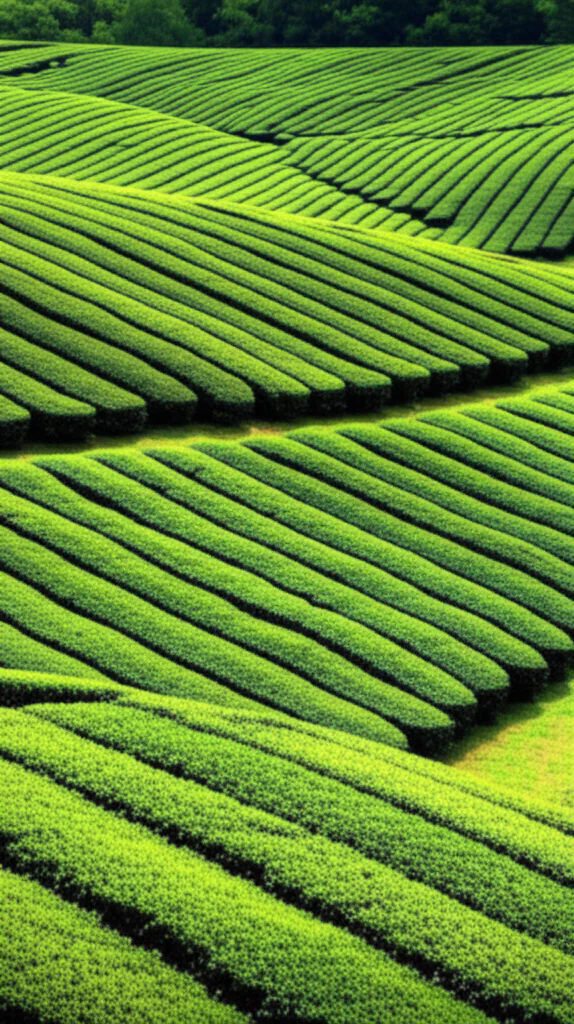
Ever wonder if you can brew a cup of tea that tastes better than the expensive loose-leaf bags from the store? The secret isn’t in the brand; it’s in the soil. While most gardeners stick to the basics, we’ve uncovered 15 incredible tea varieties—from the frost-hardy Camellia sinensis ‘Korea’ to the zesty Lemon Verbena—that will transform your backyard into a personal tea plantation. Did you know that true tea (Camellia sinensis) can be processed into green, black, white, or oolong depending on how you treat the leaves? That’s right: one plant, endless possibilities! In this guide, we’ll reveal exactly which varieties thrive in your specific climate, how to harvest the “imperial” two leaves and a bud, and the surprising processing trick that turns a bitter leaf into a gourmet beverage.
Key Takeaways
- True Tea vs. Tisanes: Understand the difference between Camellia sinensis (the only source of real tea) and herbal infusions like peppermint or chamomile, and why you need acidic soil (pH 5.0–6.5) for the former.
- Climate is King: Select the right variety for your zone; choose cold-hardy cultivars like ‘Sochi’ or ‘Korea’ for northern climates, while tropical regions can grow the vigorous ‘Assamica’.
- Harvesting Matters: The flavor profile depends entirely on when and how you pick; always target the top two leaves and the unopened bud for the smoothest, least bitter brew.
- Processing Power: You don’t need a factory to make tea; learn the simple withering and oxidation techniques to turn your garden harvest into green, black, or oolong tea at home.
- Start Small, Dream Big: Even in a small space, you can grow a diverse tea garden using containers to control soil pH and prevent invasive herbs like mint from taking over.
Table of Contents
- ⚡️ Quick Tips and Facts
- 📜 The Steeped History: How Tea Cultivation Conquered the World
- 🌿 Grow Your Own Tea Plants: A Beginner’s Guide to Backyard Brewing
- 📋 The Ultimate List of Tea Plants for Your Home Garden
- 1. Camellia Sinensis (The True Tea Shrub)
- 2. Peppermint (The Refreshing Garden Workhorse)
- 3. Lemon Balm (The Zesty Stress-Reliever)
- 4. Chamomile (The Sleepy-Time Flower)
- 5. Lavender (The Fragrant Perennial Favorite)
- 6. Holy Basil / Tulsi (The Sacred Adaptogenic Herb)
- 7. Hibiscus (The Vibrant Vitamin C Powerhouse)
- 8. Lemon Verbena (The Intense Citrus Shrub)
- 9. Ginger (The Spicy Underground Rhizome)
- 10. Rose Hips (The Wild Orchard Gem)
- 11. Stevia (The Zero-Calorie Natural Sweetener)
- 12. Echinacea (The Purple Coneflower Immune Booster)
- 13. Bergamot / Bee Balm (The Secret to Earl Grey)
- 14. Fennel (The Sweet and Savory Seed Producer)
- 15. Calendula (The Golden Petal of Health)
- 🍃 Harvesting Tea From Plant Leaves: Techniques for Maximum Flavor
- 🍎 Brewing Tea From Fruit and Berries: Orchard-Fresh Infusions
- 🌸 Delicate Tea From Flowers and Petals: A Floral Symphony
- 🫚 Earthy Tea From Roots and Rhizomes: Deep Earth Flavors
- 🌻 Nutritious Tea From Seeds and Pods: Tiny Flavor Bombs
- 📝 The Master Gardener’s Cheat Sheet: A FREE TIP SHEET for Success
- 👑 Expert Insights: Channeling Your Inner Empress of Dirt
- 🛒 Where to Shop for Tea Garden Seeds and High-Quality Supplies
- 📖 Recommended Reading: The Best Books for Aspiring Tea Growers
- 💡 Teabag Trivia: Mind-Blowing Facts to Share Over a Cuppa
- 🧺 Cozy Accessories: Tea Baskets and Warmers for the Perfect Pour
- 💬 Join the Conversation: Share Your Tea Gardening Journey
- 🤔 Frequently Asked Questions
- ✨ Conclusion
- 🔗 Recommended Links
- 📚 Reference Links
⚡️ Quick Tips and Facts
Before we dive into the dirt, let’s get the “steep” on what it takes to turn your backyard into a beverage sanctuary. Growing your own tea is a rewarding journey, but it’s not just about sticking a leaf in hot water!
- The “True” Tea: All black, green, white, and oolong teas come from a single species: Camellia sinensis. Everything else (mint, chamomile, etc.) is technically a “tisane” or herbal infusion.
- Soil Soulmates: Most tea plants, especially Camellia, are “acid-loving.” They crave a soil pH between 5.0 and 6.5. If your soil is too alkaline, your plant will look as sad as a soggy biscuit.
- Patience is a Virtue: A Camellia sinensis shrub usually takes 3 to 5 years to reach a harvestable size. Herbs, however, are the “fast food” of the garden, often ready in just 6 to 8 weeks.
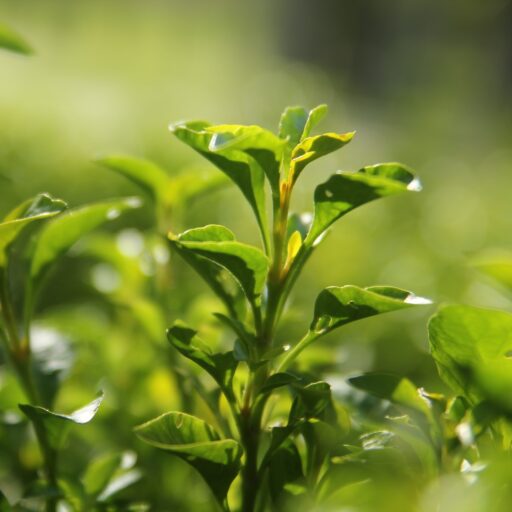
- The Golden Rule of Plucking: For the best flavor, always harvest the top two leaves and the unopened bud. This is known as the “imperial harvest.”
- Sun Management: While most herbs love basking in the sun, the true tea plant prefers 4–6 hours of morning sun with afternoon shade to prevent leaf scorch.
| Fact | Detail |
|---|---|
| Best Planting Time | Early spring or fall |
| Watering Needs | Consistently moist, but never “wet feet” |
| Hardiness | Zones 7-9 for true tea; Herbs vary from Zones 3-11 |
| Top Fertilizer | Espoma Holly-Tone (Organic & Acidic) |
📜 The Steeped History: How Tea Cultivation Conquered the World

Legend has it that in 2737 BC, the Chinese Emperor Shen Nung was sitting under a tree while his servant boiled drinking water. A few leaves from a wild tea tree drifted into the pot, and voilà—the first cup of tea was born! We like to think of him as the original “Growing Teas™” enthusiast.
From those accidental beginnings in China, tea traveled the Silk Road, was smuggled into India by the British, and eventually sparked a little “party” in Boston Harbor. Today, tea is the second most consumed beverage worldwide, surpassed only by water.
When you Cultivate Your Own Tea, you aren’t just gardening; you’re participating in a 5,000-year-old global tradition. Whether you are growing a hardy ‘Sochi’ variety in a chilly Zone 6 or a lush ‘Assam’ in the tropics, you are connecting with a history that has shaped empires. But the real question remains: can you actually grow a cup of tea that tastes as good as the high-end loose leaf you buy at the store? (Stick around; we’ll show you the “withering” secrets that make it possible!)
🌿 Grow Your Own Tea Plants: A Beginner’s Guide to Backyard Brewing
If you’ve ever wondered What varieties of tea plants are best suited for home gardens?, you’ve come to the right place. To start, you need to decide if you want the caffeine kick of the Camellia or the soothing vibes of an herbal garden. For a truly Sustainable Tea Garden, we recommend a mix of both! 🌿
Step 1: Choosing Your Site
Location is everything. If you live in a hot climate, your Camellia sinensis will need protection from the brutal afternoon sun. Think of them as the “Goths” of the garden—they like the light, but they don’t want to bake in it. Herbs like Mint and Lemon Balm, however, are sun-worshippers.
Step 2: Soil Preparation
Don’t just dig a hole and hope for the best. Use a mix of 60% peat-free compost, 30% perlite, and 10% worm castings. This ensures the drainage is sharp. As the experts at Empress of Dirt wisely note, “If you follow organic growing practices, your tea should be herbicide-free,” which is the whole point of growing your own!
Step 3: Container vs. Ground
We almost always recommend container gardening for beginners, especially for mint. If you plant mint in the ground, it will eventually own your house, your car, and your firstborn. Containers also allow you to move your tea plants indoors if a “Polar Vortex” decides to visit.
📋 The Ultimate List of Tea Plants for Your Home Garden
Selecting the right variety is like picking the right Netflix series—you’re going to be committed for a while, so choose wisely! Here are our top 15 picks for a diverse, delicious home tea garden.
1. Camellia Sinensis (The True Tea Shrub)
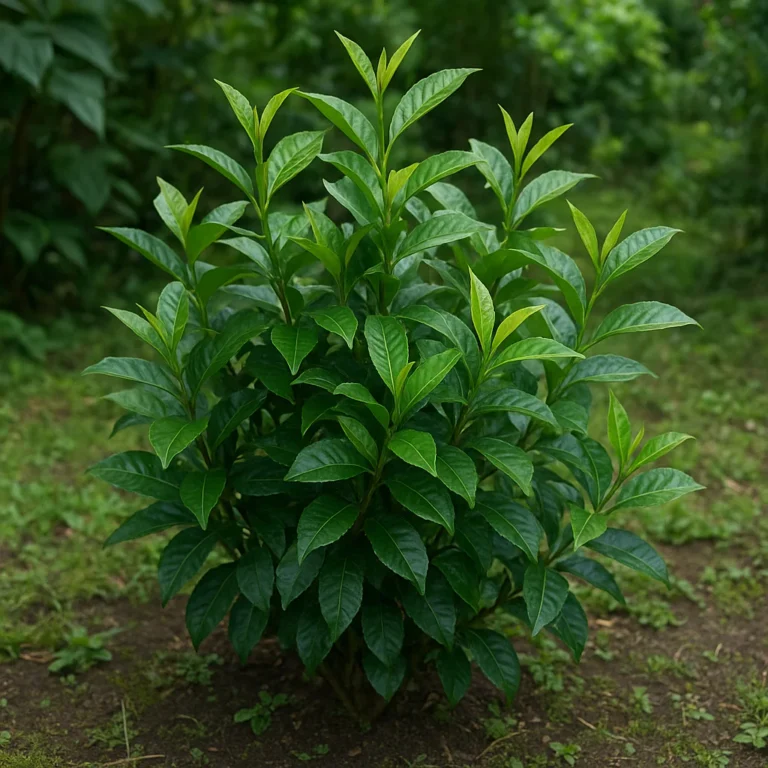
This is the “Holy Grail.” One plant can produce green, black, white, or oolong tea; it all depends on how you process the leaves. As seen in our featured video, the processing method—steaming, pan-firing, or oxidizing—is what creates the magic.
| Feature | Rating (1-10) |
|---|---|
| Flavor Complexity | 10 |
| Ease of Growth | 6 |
| Visual Appeal | 9 |
| Harvest Yield | 7 |
- Pros: Authentic tea experience; beautiful evergreen foliage.
- Cons: Slow growing; requires specific acidic soil.
- Top Cultivars: ‘Korea’ (Cold hardy), ‘Sochi’ (Vigorous), ‘Assamica’ (Tropical).
👉 Shop Camellia Sinensis on:
- Starter Plants: Amazon | Walmart | Logee’s Official
2. Peppermint (The Refreshing Garden Workhorse)
Peppermint (Mentha x piperita) is the ultimate “beginner” plant. It’s nearly impossible to kill. It offers an icy blast of menthol that is perfect for digestion.
- Ease of Growing: 10/10.
- Growing Tip: Keep it in a pot! We’ve seen peppermint travel under garden fences like a leafy ninja.
- Health Fact: Studies show peppermint oil can significantly ease symptoms of IBS.
3. Lemon Balm (The Zesty Stress-Reliever)
Lemon Balm (Melissa officinalis) smells exactly like Lemonhead candy. It’s a member of the mint family but is slightly less aggressive.
- The Vibe: Calming and uplifting.
- Growing Tip: It thrives in partial shade and attracts bees like crazy.
- DIY Hack: Freeze the leaves in ice cubes for a stunning summer iced tea.
4. Chamomile (The Sleepy-Time Flower)
There are two main types: German (annual) and Roman (perennial). German Chamomile is generally preferred for tea because it produces more flowers.
- The Flavor: Crisp apple and honey.
- Expert Insight: To preserve the anti-inflammatory azulene oil, dry the flowers gently at a low temperature.
- Rating: 9/10 for Health Benefits of Tea.
5. Lavender (The Fragrant Perennial Favorite)
Not all lavender is created equal! Stick to English Lavender (Lavandula angustifolia) for brewing. Other varieties, like French or Spanish lavender, can taste like you’re drinking a bottle of cheap soap.
- Pro Tip: Prune immediately after flowering to prevent the plant from becoming “woody” and unproductive.
6. Holy Basil / Tulsi (The Sacred Adaptogenic Herb)
Known as the “Queen of Herbs” in Ayurveda, Tulsi is an adaptogen that helps the body handle stress. It has a unique pepper-clove flavor profile.
- Varieties: Rama (mild), Krishna (peppery), Vana (lemony).
- Benefit: It’s a powerhouse for Herbal Tea Planting and attracts beneficial pollinators to your garden.
7. Hibiscus (The Vibrant Vitamin C Powerhouse)
We’re talking about Hibiscus sabdariffa (Roselle), not the ornamental ones in your front yard. The tart, crimson calyxes make a tea that tastes like cranberry juice.
- Health Fact: Hibiscus tea has been shown in clinical trials to help lower blood pressure.
8. Lemon Verbena (The Intense Citrus Shrub)
If you want the most intense lemon aroma possible, this is it. It’s a woody shrub that can grow quite large in warmer zones.
- Ease of Growing: 7/10 (needs heat).
- Usage: Excellent for DIY Tea Blending to add a bright top note.
9. Ginger (The Spicy Underground Rhizome)
Yes, you can grow ginger at home! Even in cold climates, you can grow it in a pot and bring it inside.
- Harvesting: You aren’t picking leaves here; you’re digging up the “hand” or rhizome.
- The Kick: Perfect for settling an upset stomach or adding heat to a winter blend.
10. Rose Hips (The Wild Orchard Gem)
After your roses fade, they leave behind “hips”—the fruit of the rose. These are packed with more Vitamin C than oranges!
- Best Variety: Rosa rugosa produces the largest, tastiest hips.
- Warning: Make sure you remove the “itchy” seeds inside before brewing.
11. Stevia (The Zero-Calorie Natural Sweetener)
Why buy sugar when you can grow it? One leaf of Stevia is enough to sweeten an entire pot of tea.
- Growing Tip: It loves well-drained soil and lots of sunshine.
- Rating: 8/10 for functionality.
12. Echinacea (The Purple Coneflower Immune Booster)
Both the leaves and the flowers can be used, but the roots are where the real medicinal power lies.
- The Flavor: Earthy and slightly floral.
- Garden Benefit: A stunning perennial that supports local butterfly populations.
13. Bergamot / Bee Balm (The Secret to Earl Grey)
While commercial Earl Grey uses the oil from the Bergamot orange, Monarda (Bee Balm) has a very similar citrus-spice scent.
- The Vibe: Wild and whimsical.
- Ease of Growing: 9/10 in Zones 3-9.
14. Fennel (The Sweet and Savory Seed Producer)
Bronze Fennel is beautiful in the garden and produces seeds that taste like sweet licorice.
- Usage: Great for post-dinner “digestive” teas.
- Warning: Fennel can be allelopathic, meaning it can stunt the growth of nearby plants. Give it its own space!
15. Calendula (The Golden Petal of Health)
Often called “Pot Marigold,” these bright orange petals add a beautiful color and a mild, peppery flavor to tea blends.
- Benefit: Known for its skin-healing properties and anti-inflammatory benefits.
🍃 Harvesting Tea From Plant Leaves: Techniques for Maximum Flavor
Harvesting is an art form. If you just rip leaves off a plant, you’ll end up with a bitter, bruised mess.
- The Timing: Harvest in the morning after the dew has evaporated but before the sun gets too hot. This is when the essential oils are most concentrated.
- The Selection: For Camellia sinensis, use the “Two Leaves and a Bud” rule. For herbs like Mint or Lemon Balm, you can take the top third of the plant.
- The “Withering” Secret: Before drying, let your Camellia leaves sit in a cool, shaded spot for about 12 hours. This makes them limp and allows the chemical compounds to transform, reducing bitterness.
- Pruning for Production: Don’t be afraid to prune! As the HortTube expert Jim Putnam suggests, pruning encourages bushier growth, which means more leaves for your teapot.
🍎 Brewing Tea From Fruit and Berries: Orchard-Fresh Infusions
Who says tea only comes from leaves? Some of the most vibrant flavors in our garden come from the “extras.”
- Blueberries: Dried blueberries add a deep purple hue and a subtle sweetness.
- Strawberry Leaves: Don’t toss them! Young strawberry leaves have a mild, fruity flavor similar to green tea.
- Apple Peels: Dehydrate your organic apple peels with a bit of cinnamon for a “pie in a cup” experience.
CHECK PRICE on Dehydrators:
- Excalibur 9-Tray Dehydrator: Amazon | Walmart | Excalibur Official
- Cosori Food Dehydrator: Amazon | Walmart | Cosori Official
🌸 Delicate Tea From Flowers and Petals: A Floral Symphony
Floral teas are the “perfume” of the beverage world. They are delicate, so never use boiling water on them—it will scald the petals and make the tea taste like cooked cabbage. Aim for around 175°F (80°C).
- Jasmine: For the best scent, harvest the flowers at night when they open. Layer them with green tea leaves to “scent” the tea naturally.
- Rose Petals: Use highly fragrant varieties like ‘Gertrude Jekyll’ or ‘Munstead Wood’ from David Austin Roses.
- Honeysuckle: Only use the flowers of native varieties; avoid the invasive Japanese Honeysuckle.
🫚 Earthy Tea From Roots and Rhizomes: Deep Earth Flavors
Root teas are the heavy hitters. They require a longer simmer (decoction) rather than a quick steep to extract their goodness.
- Chicory: Roast the roots until they are dark brown for a caffeine-free coffee substitute.
- Dandelion: Don’t kill those weeds! Dandelion root is a fantastic liver tonic.
- Valerian: Known as “Nature’s Valium.” Warning: It smells like old socks, but it works wonders for sleep!
🌻 Nutritious Tea From Seeds and Pods: Tiny Flavor Bombs
Seeds are concentrated nuggets of flavor. To get the most out of them, lightly crush them with a mortar and pestle before steeping.
- Coriander Seeds: Adds a spicy, citrusy note.
- Cardamom: If you live in Zone 10, you can grow your own pods. It’s the secret ingredient in authentic Chai.
- Fenugreek: Adds a maple-syrup aroma to your blends.
📝 The Master Gardener’s Cheat Sheet: A FREE TIP SHEET for Success
We want you to succeed, so we’ve distilled our years of experience into this quick-reference guide.
| Plant Category | Best Light | Soil Preference | Harvesting Part |
|---|---|---|---|
| True Tea | Morning Sun / Afternoon Shade | Acidic (pH 5.5) | Top 2 leaves + Bud |
| Mints/Balms | Full Sun to Part Shade | Rich, Moist | Top 1/3 of stems |
| Flowers | Full Sun | Well-drained | Fully open blooms |
| Roots | Full Sun | Loose, Sandy | 2-year-old rhizomes |
Pro Tip: Always use filtered water for brewing. If your water tastes like chlorine, your homegrown tea will too!
👑 Expert Insights: Channeling Your Inner Empress of Dirt
We love the perspective of the Empress of Dirt, who reminds us that “A good cup of tea can be complete luck or an intentional work of art.” When you grow your own, you move from “luck” to “art.”
One of the biggest conflicts in the tea-growing world is whether to grow from seed or cuttings. While seeds are cheaper, cuttings (clones) ensure you get the exact flavor profile of the parent plant. If you find a tea plant you love, use Hormex Rooting Powder to propagate your own “mini-me” plants.
🛒 Where to Shop for Tea Garden Seeds and High-Quality Supplies
Don’t settle for old seeds from the back of a grocery store rack. Quality matters!
👉 Shop Tea Seeds & Supplies on:
- SeedNow Herbal Collections: SeedNow Official
- Burpee Tea Garden Seeds: Amazon | Burpee Official
- Strictly Medicinal Seeds: Official Website (Best for rare tea herbs)
Essential Tools:
- Felco F-310 Snips: Amazon | Walmart
- Apera pH Meter: Amazon | Apera Official
📖 Recommended Reading: The Best Books for Aspiring Tea Growers
If you want to go deep into the chemistry of withering and oxidation, these books are our “Bibles”:
- Homegrown Tea by Cassie Liversidge: The gold standard for step-by-step instructions.
- The Tea Gardener’s Bible by Lorraine Harrison: Great for botanical history and cultivar selection.
- Grow Your Own Tea by Christine Parks and Susan Walcott: Specifically focused on Camellia sinensis in the US.
💡 Teabag Trivia: Mind-Blowing Facts to Share Over a Cuppa
- The Accidental Invention: Teabags were invented by accident in 1908 when Thomas Sullivan sent tea samples in silk bags. Customers thought they were supposed to dunk the whole bag in the water!
- Spider Season: As mentioned in our featured video, tea plants often host beneficial spiders. In some high-end tea regions, these spiders are welcomed because they eat the pests that would otherwise ruin the crop.
- The Caffeine Myth: Many people think green tea has less caffeine than black. In reality, it depends on the plant variety and the water temperature, not just the “color” of the tea.
🧺 Cozy Accessories: Tea Baskets and Warmers for the Perfect Pour
Once you’ve grown, harvested, and dried your tea, you need the right gear to enjoy it.
- Insulated Tea Baskets: Often found in traditional tea shops, these padded baskets keep your teapot hot for hours without “stewing” the leaves.
- Glass Teapots: Essential for floral teas so you can watch the “agony of the leaves” (the poetic term for leaves unfurling in water).
👉 Shop Accessories on:
💬 Join the Conversation: Share Your Tea Gardening Journey
We want to hear from you! Have you successfully overwintered a Camellia in a cold climate? Did your peppermint take over your neighbor’s yard? (We won’t tell!)
Drop a comment below and let us know which variety you’re most excited to plant this spring. Gardening is always better when we share our “steepest” secrets.
🤔 Frequently Asked Questions
Q: Can I grow tea indoors?
A: Yes! Camellia sinensis makes a lovely houseplant if you have a very bright window and keep the humidity high. Herbs like Mint and Basil also thrive on a sunny windowsill.
Q: How many plants do I need for a “real” harvest?
A: To have a consistent supply of true tea, you’ll want at least 5 to 10 shrubs. For herbs, one or two plants of each variety is usually plenty for a single household.
Q: Is it safe to drink any plant I grow?
A: Absolutely not. Always verify the botanical name and ensure the plant hasn’t been treated with chemical pesticides. As the saying goes, “When in doubt, don’t brew it out!”
Q: Why are my tea leaves turning brown at the edges?
A: This is usually a sign of low humidity or “salt burn” from tap water. Try misting your plants or switching to rainwater.
✨ Conclusion

So, we’ve journeyed from the accidental discovery of Shen Nung to your very own backyard tea garden. You now know that while Camellia sinensis demands patience and specific acidic soil, the world of herbal tisanes offers immediate gratification and a kaleidoscope of flavors.
The Verdict on Growing Your Own Tea:
Is it worth the effort? Absolutely.
- Positives: You gain complete control over what goes into your cup (no pesticides, no additives), you save money in the long run, and you connect with a 5,000-year-old tradition. Plus, the flavor of a leaf picked minutes before brewing is in a league of its own compared to anything in a box.
- Negatives: The “True Tea” plant requires a 3-5 year wait for a decent harvest, and some herbs (like Mint) can be invasive if not contained.
- Our Confident Recommendation: Start with a container garden featuring a hardy Camellia sinensis variety like ‘Korea’ or ‘Sochi’ for the long game, and fill the rest of your space with fast-growing herbs like Peppermint, Lemon Balm, and Chamomile for immediate rewards. This hybrid approach ensures you have tea to drink now while you wait for your shrub to mature.
Remember the question we posed at the beginning: Can you grow a cup of tea that tastes as good as the high-end loose leaf you buy? The answer is a resounding yes, provided you master the art of withering and drying. The secret isn’t just in the growing; it’s in the processing. By controlling the oxidation levels, you can turn a single shrub into a pantry of green, black, and oolong teas.
Your journey to becoming a tea grower starts with a single seed or cutting. Whether you are channeling your inner Empress of Dirt or just looking for a relaxing weekend project, the path to a perfect cuppa is right outside your door. Happy planting, and may your harvest be bountiful! 🍵🌿
🔗 Recommended Links
Ready to get your hands dirty? Here are the top-rated tools, plants, and books to kickstart your tea garden.
🌱 Live Tea Plants & Seeds
- Camellia sinensis ‘Korea’ (Cold Hardy): Amazon | Growing Teas™ Official
- Herbal Tea Garden Seed Collection (Mint, Chamomile, Lemon Balm): Amazon | Burpee Official
- Strictly Medicinal Seeds (Rare Varieties): Official Website
🛠️ Essential Gardening Tools
- Espoma Holly-Tone (Acid-Loving Plant Food): Amazon | Walmart | Espoma Official
- Hormex Rooting Powder (For Propagation): Amazon | Walmart
- Apera Instruments AI209 PH60 Waterproof pH Meter: Amazon | Apera Official
📚 Must-Read Books
- Homegrown Tea by Cassie Liversidge: Amazon
- The Tea Gardener’s Bible by Lorraine Harrison: Amazon
- Grow Your Own Tea by Christine Parks: Amazon
☕ Brewing & Storage Gear
- Stainless Steel Loose Leaf Tea Infuser: Amazon | Etsy
- Excalibur 9-Tray Food Dehydrator: Amazon | Excalibur Official
🤔 Frequently Asked Questions
How do I choose the right Camellia sinensis variety for my climate?
Choosing the right Camellia sinensis variety is the single most critical decision for your success. The species is divided into two main varieties, each with distinct hardiness profiles:
The Cold-Hardy Choice: Camellia sinensis var. sinensis
If you live in USDA Zones 6b to 9, this is your best bet.
- Why: It is naturally adapted to cooler temperatures and can survive brief freezes down to 0°F (-18°C) with protection.
- Best Cultivars: Look for ‘Korea’ (hardy to Zone 6b) or ‘Sochi’ (hardy to Zone 6b-8). These are compact, slow-growing, and produce the delicate leaves perfect for green and white teas.
- Verdict: Essential for gardeners in the Northern US, UK, and parts of Europe.
The Tropical Choice: Camellia sinensis var. assamica
If you live in USDA Zones 10b and above (or have a heated greenhouse), choose this variety.
- Why: It thrives in heat and humidity but will die if exposed to frost.
- Characteristics: It grows much larger (up to tree size) with massive leaves, ideal for robust black teas like Assam.
- Verdict: Only for tropical climates or indoor winter growing in cold zones.
Can I grow tea plants in containers for a small home garden?
Yes, and we highly recommend it! Container gardening is actually the best way to start, especially for Camellia sinensis.
- Soil Control: Tea plants are acid-loving (pH 5.0–6.5). In the ground, soil pH is often too alkaline, leading to nutrient lockout. In a pot, you can use a specialized ericaceous mix (like Espoma’s Acidic Potting Soil) to ensure perfect conditions.
- Invasive Control: Herbs like Mint and Lemon Balm are aggressive spreaders. A container acts as a barrier, preventing them from taking over your entire garden.
- Mobility: You can move your Camellia into a garage or greenhouse during unexpected frost events in late spring or early fall.
- Tip: Ensure your pot has excellent drainage holes. A 10-12 inch pot is sufficient for a young plant, but you will need to repot every 2-3 years as it grows.
What soil conditions do tea plants need to thrive indoors?
Indoor tea growing presents unique challenges, primarily regarding humidity and light.
- Soil Mix: Use a peat-free, acidic potting mix designed for azaleas or camellias. Avoid standard garden soil, which compacts and suffocates roots. A blend of 60% peat-free compost, 30% perlite, and 10% worm castings works wonders.
- Water Quality: Tap water often contains chlorine and fluoride, which can harm tea plants. Use filtered water or rainwater.
- Humidity: Indoor air is often too dry, causing brown leaf tips. Place your pot on a pebble tray filled with water or use a humidifier to maintain 50-60% humidity.
- Light: Place your plant in a south-facing window with at least 4-6 hours of direct light. If your light is insufficient, supplement with a full-spectrum LED grow light (like the Spider Farmer SF-1000) for 12-14 hours a day.
How long does it take for a home-grown tea plant to produce harvestable leaves?
Patience is the first ingredient in any homegrown tea recipe.
- True Tea (Camellia sinensis):
- Seed: 3–5 years to reach a harvestable size.
- Cuttings/Plants: 2–3 years.
- Why the wait? The plant needs to establish a strong root system and mature foliage before it can produce the high-quality “two leaves and a bud” harvest without stressing the plant.
- Herbal Tisanes:
- Annuals (Chamomile, Basil): 6–10 weeks from seed to harvest.
- Perennials (Mint, Lemon Balm): 8–12 weeks from seed; often ready to harvest in the first season if started from cuttings.
Can I harvest tea leaves immediately after planting?
No. For Camellia sinensis, harvesting too early will stunt or kill the plant. You must allow the plant to establish itself for at least 2-3 years. During this time, focus on pruning to encourage bushy growth rather than picking leaves. For herbs, you can start “pinching” the tips once the plant is about 6 inches tall to encourage branching, but wait until the plant is well-established before a full harvest.
📚 Reference Links
For those who want to dive deeper into the science and history of tea cultivation, here are the reputable sources we consulted:
- Growing Teas™ – What Tea Can You Grow at Home?
- What Tea Can You Grow at Home? 🌿 10 Best Plants for 2026
- Empress of Dirt – Growing Tea Plants
- Grow Your Own Tea: The Ultimate Guide
- National Center for Complementary and Integrative Health (NCCIH)
- Peppermint Oil: In Depth
- National Institutes of Health (NIH) – PubMed
- Hibiscus tea and blood pressure: A systematic review
- Logee’s Greenhouses
- Camellia sinensis Care Guide
- Strictly Medicinal Seeds
- Rare Tea Herbs Catalog
- David Austin Roses
- Rose Varieties for Tea
- HortTube (Jim Putnam)
- Growing Tea Plants Video Series