Support our educational content for free when you purchase through links on our site. Learn more
🍃 How to Harvest Tea Leaves: The Ultimate 2026 Guide

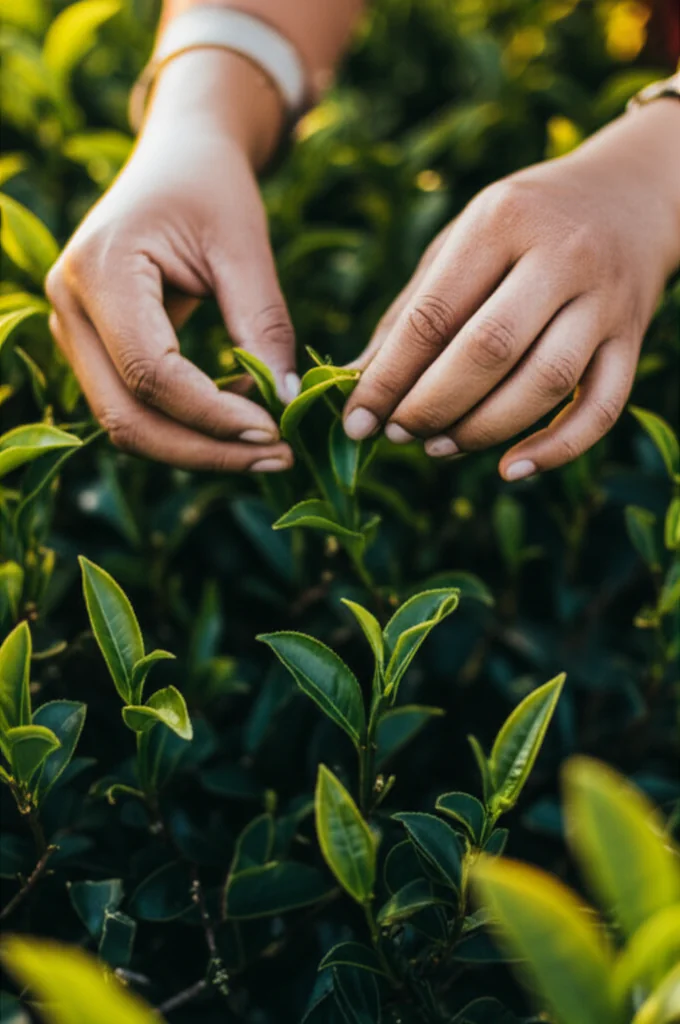
The secret to perfect tea lies in plucking the “two leaves and a bud” by hand during the cool early morning hours. Learning how to harvest tea leaves correctly transforms your garden from a simple shrub into a premium tea factory, ensuring every cup bursts with fresh, complex flavor.
Many home growers make the mistake of stripping the bush bare, only to wonder why their tea tastes bitter and grassy. It’s not the plant’s fault; it’s the timing and technique.
Did you know that a single skilled tea picker can harvest up to 40 pounds of fresh leaves in a day, yet the finest artisanal teas often require hours of careful selection for just a few ounces of dry product? We once watched a master picker in Fujian, China, who could identify the perfect shoot from a yard away, treating the plant with such reverence it felt like a religious ceremony.
Key Takeaways
- Timing is critical: Always harvest early in the morning after the dew dries but before the sun heats the leaves.
- The Golden Standard: Look for the “two leaves and a bud” at the tip of the shoot for the highest quality flavor.
- Patience pays off: Wait until your Camellia sinensis plant is at least 2–3 years old before attempting a full harvest.
- Hand over machine: For home growers, hand-plucking is the only way to ensure quality and protect the plant.
Table of Contents
- ⚡️ Quick Tips and Facts
- 📜 A Brief History of Tea Harvesting: From Ancient China to Your Cup
- 🌱 Understanding the Camellia sinensis Plant Before You Pick
- 🗓️ When to Harvest Tea Leaves: Timing the Perfect Pluck
- ✋ How to Harvest Tea Leaves by Hand: The Art of the Two Leaves and a Bud
- 🚜 Mechanical Tea Harvesters vs. Hand Picking: Speed vs. Soul
- 🍵 How Many Times Can You Harvest Tea in a Year? Seasonal Cycles Explained
- 🔍 How Are the Best Leaves Selected? Grading and Quality Control
- 🌿 Harvesting for Specific Tea Types: Green, Black, White, and Oolong
- 🧤 Essential Gear for the Home Tea Harvester
- 🚫 Common Mistakes to Avoid When Picking Tea
- 📊 Harvesting Frequency and Yield: What to Expect
- 🏆 Top Tools and Brands for Tea Harvesting
- 🧠 Quick Tips and Facts
- 🏁 Conclusion
- 🔗 Recommended Links
- ❓ FAQ
- 📚 Reference Links
⚡️ Quick Tips and Facts
Before we get our hands dirty (literally), let’s hit the ground running with the absolute essentials. If you’re thinking about turning your backyard into a tea plantation, you need to know that not all “tea” plants are created equal.
- The Golden Rule: True tea comes from only one species: Camellia sinensis. If you’re picking leaves from a “Tea Tree” (Melaleuca) or a flowering Camellia, you’re making herbal infusions, not true tea. 🍵
- The “Two Leaves and a Bud” Standard: This isn’t just a fancy phrase; it’s the industry gold standard for high-quality plucking. You want the newest, most tender growth at the very tip of the branch.
- Timing is Everything: The best harvest window is usually early morning, after the dew has dried but before the miday sun wilts the leaves.
- Patience Pays Off: A newly planted tea bush won’t give you a serious harvest for 2 to 3 years. Don’t panic if you only get a few leaves in year one!
- The Flavor Paradox: You might think the bigger the leaf, the better the tea. Wrong. The smallest, most delicate buds often yield the most complex, aromatic, and expensive teas (like Silver Needle White Tea).
For those ready to start their journey from seed to cup, check out our guide on Growing Teas to see how we cultivate our own plants.
📜 A Brief History of Tea Harvesting: From Ancient China to Your Cup

Did you know that the story of tea harvesting begins with a Chinese emperor? Legend has it that in 2737 BC, Emperor Shen Nung was boiling water under a wild tea tree when a few leaves drifted into his pot. The result? The world’s first cup of tea. 🍃
For centuries, tea harvesting was a sacred ritual, reserved for the elite. In ancient China, the finest leaves were hand-picked by monks and nobility, often accompanied by prayers and specific ceremonies. The “Imperial Tea” was so precious that it was used as currency and tribute to the Emperor.
Fast forward to the 19th century, and the game changed. The British, desperate to break the Chinese monopoly on tea, smuggled tea plants out of China and established massive plantations in India and Sri Lanka. This is where mechanical harvesting began to take root. While hand-picking remained the standard for premium teas, the demand for mass-market tea led to the invention of the mechanical tea harvester, a machine that could strip a bush in seconds.
Today, we see a fascinating divide:
- High-End Artisanal: Hand-picked, often by skilled workers who can identify the perfect leaf in milliseconds.
- Mass Market: Machine-harvested, focusing on volume and efficiency.
At Growing Teas™, we believe that while machines have their place, the soul of the tea is best preserved through the gentle touch of human hands. But is that just romantic fluff, or is there science behind it? We’ll dig into that later.
🌱 Understanding the Camellia sinensis Plant Before You Pick
You can’t harvest what you don’t understand. Before you even think about plucking, you need to know your plant inside and out. Camellia sinensis is an evergreen shrub that can grow into a small tree if left unpruned, but in cultivation, it’s kept as a manageable bush (usually 3–5 feet tall) to make harvesting easier.
The Anatomy of a Tea Leaf
Understanding the plant’s growth cycle is crucial for timing your harvest.
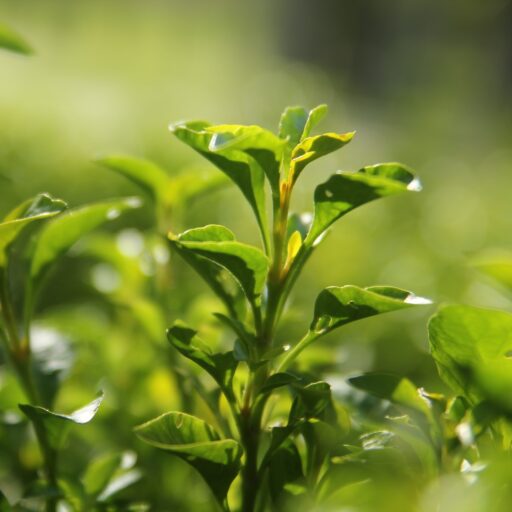
- The Bud: The very tip of the shoot. It’s covered in fine, silvery hairs (trichomes) and is the most delicate part.
- The First Leaf: Just below the bud. It’s small, tender, and packed with flavor compounds.
- The Second Leaf: Slightly larger, but still tender.
- The Third Leaf and Beyond: These get tougher, more fibrous, and less flavorful. They are usually left on the plant to photosynthesize and help the bush recover.
Growth Cycles and Pruning
Tea plants are pruned to encourage new growth. If you don’t prune, the plant grows tall and wody, and the leaves become too high to reach easily. Pruning also forces the plant to send out new shoots, which is exactly what we want to harvest.
Pro Tip: If you’re growing tea in a pot, you’ll need to prune more frequently to keep it compact. For ground-planted bushes, annual pruning in late winter or early spring is usually sufficient.
For more on how to keep your plants healthy, check out our guide on Organic Farming Techniques.
🗓️ When to Harvest Tea Leaves: Timing the Perfect Pluck
Timing is the difference between a cup of tea that tastes like grass and one that tastes like heaven. The “when” depends on two things: the season and the time of day.
Seasonal Harvests
- Spring (First Flush): This is the most prized harvest. After the winter dormancy, the plant sends out its most vigorous, tender shoots. These leaves are high in amino acids (like L-theanine) and low in tannins, resulting in a sweet, delicate flavor.
- Summer (Second Flush): The leaves grow faster and are slightly larger. They have a more robust, sometimes astringent flavor. Great for black teas.
- Autumn (Third/Fourth Flush): The growth slows down. Leaves are often used for darker, richer teas or for making olongs with a floral note.
- Winter: In most climates, the plant goes dormant. No harvest in winter unless you are in a tropical climate or growing indoors.
Time of Day
- Morning: The best time to harvest. The leaves are full of moisture and nutrients, and the essential oils are at their peak.
- Miday: Avoid this. The sun can wilt the leaves, causing them to start oxidizing prematurely before you even get them to the processing area.
- Evening: Okay, but the leaves might be a bit dehydrated.
Wait, why does the time of day matter so much? It’s all about the oxidation process. If you pick leaves when they are hot and wilting, they start to turn brown (oxidize) immediately, which can ruin the flavor profile of green or white teas. We’ll explain how to stop this in the processing section.
✋ How to Harvest Tea Leaves by Hand: The Art of the Two Leaves and a Bud
Now, let’s get to the good stuff. How do you actually pick the leaves? It’s not just about grabbing a handful; it’s a skill.
The “Two Leaves and a Bud” Technique
This is the standard for high-quality tea.
- Locate the Tip: Find the newest shoot at the top of the branch.
- Identify the Bud: Look for the tiny, unopened leaf at the very tip.
- Count the Leaves: Below the bud, you should see two small, unfurled leaves.
- The Pluck: Use your thumb and forefinger to gently pinch the stem just below the second leaf. Do not pull or tug; a clean snap is best.
Why Not Just Grab a Handful?
If you pull too many leaves, you damage the plant. If you leave too many, you miss the peak flavor. The “two leaves and a bud” ensures that you take the most flavorful part while leaving enough foliage for the plant to recover and grow again.
Common Mistakes
- Picking Old Leaves: If the leaves are large, dark green, and tough, they are too old. They will make your tea bitter.
- Damaging the Bud: If you crush the bud, it will oxidize instantly, ruining the batch.
- Harvesting Too Frequently: Don’t pick every day. Give the plant time to regrow.
For a visual guide, check out this video that demonstrates the perfect pluck on the ‘Yabukita’ cultivar.
🚜 Mechanical Tea Harvesters vs. Hand Picking: Speed vs. Soul
Here’s the million-dollar question: Is a machine better than a human?
The Case for Hand Picking
- Precision: Humans can select exactly the “two leaves and a bud.” Machines can’t.
- Quality: Hand-picked tea is generally considered superior in flavor and aroma.
- Plant Health: Gentle handling reduces damage to the plant.
The Case for Mechanical Harvesters
- Speed: A machine can harvest acres in a day. A human takes weeks.
- Cost: For large plantations, machines are much cheaper in the long run.
- Consistency: Machines produce a uniform cut, which can be good for mass-market tea.
The Verdict?
It depends on what you want. If you’re making premium, artisanal tea, hand-picking is the only way to go. If you’re making mass-market tea bags, machines are the standard.
At Growing Teas™, we believe that for the home grower, hand-picking is the only logical choice. You don’t have acres to cover, and the joy of the process is part of the experience.
🍵 How Many Times Can You Harvest Tea in a Year? Seasonal Cycles Explained
How often can you pick? It depends on your climate and the type of tea you’re making.
- Temperate Climates (e.g., UK, Northern US): 2–3 harvests per year (Spring, Summer, maybe Autumn).
- Tropical/Subtropical Climates (e.g., India, Sri Lanka, Southern US): 4–6 harvests per year.
- Indoor Growing: If you have the right light and temperature, you can harvest year-round, but the quality might vary.
Important: Don’t over-harvest. If you strip the bush bare, it will struggle to recover. Always leave some leaves on the plant to photosynthesize.
🔍 How Are the Best Leaves Selected? Grading and Quality Control
Once you’ve harvested, how do you know if you did a good job? It’s all about grading.
The Grading System
- Whole Leaf: The highest grade. Includes the bud and the two leaves.
- Broken Leaf: Leaves that are broken during processing. Lower grade.
- Fannings: Small pieces of leaf. Used for tea bags.
- Dust: The smallest particles. Lowest grade.
Quality Control Tips
- Visual Inspection: Look for uniform color and size.
- Smell Test: Fresh leaves should smell grassy, floral, or sweet. If they smell musty, something went wrong.
- Taste Test: Brew a small batch. If it’s bitter, you might have picked too many old leaves.
🌿 Harvesting for Specific Tea Types: Green, Black, White, and Oolong
Different teas require different harvesting standards.
| Tea Type | Harvest Standard | Processing Method | Flavor Profile |
|---|---|---|---|
| White Tea | Only the bud or bud + 1 leaf | Minimal processing, air-dried | Delicate, sweet, floral |
| Green Tea | Bud + 2 leaves | Steamed or pan-fired to stop oxidation | Grassy, vegetal, fresh |
| Oolong Tea | Bud + 2–3 leaves | Partialy oxidized, rolled | Complex, floral, fruity |
| Black Tea | Bud + 2–3 leaves (or more) | Fully oxidized | Robust, malty, bold |
Why the difference? The number of leaves and the timing of the harvest affect the chemical composition of the leaf, which in turn affects the flavor after processing.
🧤 Essential Gear for the Home Tea Harvester
You don’t need a lot of fancy equipment, but a few tools can make the process easier.
- Sharp Scissors or Pruners: For a clean cut.
- Basket or Bag: To collect the leaves. A breathable basket is best to prevent wilting.
- Gloves: Optional, but helpful if you have sensitive skin.
- Timer: To keep track of processing times.
🚫 Common Mistakes to Avoid When Picking Tea
- Harvesting in the Heat: Leaves wilt and oxidize too fast.
- Picking Too Many Leaves: Stripping the plant bare.
- Not Processing Immediately: Leaves should be processed within a few hours of harvesting.
- Using Dirty Tools: Can introduce bacteria and spoil the tea.
📊 Harvesting Frequency and Yield: What to Expect
How much tea can you expect?
- Year 1: Very little. Maybe a few cups.
- Year 2: A small harvest. Enough for a few cups a week.
- Year 3+: A full harvest. A healthy bush can yield several pounds of fresh leaves per year.
Note: Fresh leaves lose about 80% of their weight during drying. So, 1 pound of fresh leaves = ~0.2 pounds of dry tea.
🏆 Top Tools and Brands for Tea Harvesting
While you can use any sharp scissors, some brands are better suited for tea harvesting.
- Felco Pruners: Known for their precision and durability.
- Fiskars Scissors: Affordable and effective for small-scale harvesting.
- Bamboo Baskets: Traditional and breathable.
👉 CHECK PRICE on:
- Felco F-2 Pruners: Amazon | Felco Official
- Fiskars Steel Scissors: Amazon | Fiskars Official
- Bamboo Harvesting Basket: Etsy | Amazon
🧠 Quick Tips and Facts
Let’s recap the most important points:
- Camellia sinensis is the only true tea plant.
- Two leaves and a bud is the gold standard.
- Harvest in the morning for the best flavor.
- Process immediately to prevent oxidation.
- Patience is key; it takes 2–3 years for a full harvest.
We’ve covered the “how,” the “when,” and the “why.” But what happens after you pick? How do you turn those green leaves into a cup of tea? That’s the next chapter in our story.
🏁 Conclusion

So, there you have it. Harvesting tea leaves is a delicate dance between nature and human skill. Whether you’re a seasoned gardener or a curious beginner, the journey from plot to pot is incredibly rewarding.
We’ve seen that while machines offer speed, hand-picking preserves the soul of the tea. We’ve learned that timing is everything, and that the “two leaves and a bud” standard is not just a rule, but a recipe for flavor.
Our Recommendation: If you’re growing tea at home, always hand-pick. It’s the only way to ensure you get the best quality. Don’t rush the process. Let the plant grow, let the leaves mature, and enjoy the fruits of your labor.
And remember, the best tea is the one you make with love. So, grab your basket, head to your garden, and start plucking!
🔗 Recommended Links
- Camellia sinensis Tea Plant: Fast Growing Trees
- Felco F-2 Pruners: Amazon
- Bamboo Harvesting Basket: Etsy
- Book: “The Story of Tea” by Mary Lou Heiss: Amazon
❓ FAQ

How do I store harvested tea leaves to maintain their freshness and prevent spoilage over time?
To maintain freshness, store dried tea leaves in an airtight container away from light, heat, and moisture. A cool, dark pantry is ideal. Avoid plastic bags, as they can trap moisture and cause mold.
Can I harvest tea leaves from my own garden, and what are the basic requirements for growing tea plants at home?
Yes, you can! You need a Camellia sinensis plant, well-draining acidic soil, partial shade, and regular watering. It takes 2–3 years for the plant to mature enough for a full harvest.
What are the differences between harvesting tea leaves for black, green, and white tea production?
- White Tea: Harvest only the bud or bud + 1 leaf.
- Green Tea: Harvest bud + 2 leaves.
- Black Tea: Harvest bud + 2–3 leaves (or more).
The difference lies in the oxidation process after harvesting, but the initial plucking standard sets the stage for the final flavor.
How do I dry and process freshly harvested tea leaves to preserve their flavor and aroma?
The process varies by tea type:
- White Tea: Air-dry.
- Green Tea: Steam or pan-fire to stop oxidation.
- Black Tea: Allow to fully oxidize before drying.
- Oolong: Partialy oxidize, then roll and dry.
For detailed steps, see our Green Tea Cultivation guide.
What are the different methods for harvesting tea leaves, such as hand-plucking or machine harvesting?
- Hand-plucking: Precise, gentle, ideal for premium teas.
- Machine harvesting: Fast, efficient, ideal for mass production.
For home growers, hand-plucking is the only practical and high-quality option.
How often should I harvest tea leaves to promote healthy plant growth and prevent over-harvesting?
Harvest every 2–3 weeks during the growing season. Always leave some leaves on the plant to ensure it can recover and continue photosynthesizing.
What is the best time to harvest tea leaves for optimal flavor and quality?
The early morning, after the dew has dried but before the sun gets too hot. This ensures the leaves are fresh and full of flavor compounds.
Read more about “🌱 7 Secrets to Perfect Tea Plant Soil Composition & Nutrients (2026)”
How do I process and dry tea leaves after harvesting to preserve their quality?
Processing depends on the tea type. Generally, you need to wither the leaves, then oxidize (or not, for green/white), then dry them. The key is to stop the oxidation process at the right time.
What tools do I need to harvest tea leaves, and how do I use them properly?
You need sharp scissors or pruners and a breathable basket. Use the pruners to make a clean cut just below the second leaf. Place the leaves gently in the basket to avoid bruising.
Can I harvest tea leaves in the winter, or is it a seasonal activity?
In most climates, tea plants go dormant in winter, so no harvest is possible. However, in tropical climates or if grown indoors, you may be able to harvest year-round.
How do I know when my tea leaves are ready to be harvested?
Look for the newest growth at the top of the branch. The leaves should be tender, small, and have a bright green color. If they are large, dark, and tough, they are too old.
Read more about “How is Tea Harvested? … 🍵”
What are the different methods for harvesting tea leaves, and which is most effective?
- Hand-plucking: Most effective for quality.
- Machine harvesting: Most effective for volume.
For home growers, hand-plucking is the most effective method.
How often should I harvest my tea plants to promote healthy growth?
Every 2–3 weeks during the growing season. This encourages new growth without stressing the plant.
Read more about “🌱 Tea Plant Care: The Ultimate 10-Step Guide to Growing Your Own Brew (2026)”
What is the best time to harvest tea leaves for optimal flavor?
Early morning is the best time. The leaves are fresh, and the essential oils are at their peak.
Read more about “🌱 Is It Hard to Grow Tea? The Surprising Truth (2026)”
📚 Reference Links
- Camellia sinensis: Wikipedia
- Tea Processing: Tea & Coffee Trade Journal
- Stardew Valley Tea Leaves: Stardew Valley Wiki
- Fast Growing Trees: Fast Growing Trees
- Nio Teas: Nio Teas