Support our educational content for free when you purchase through links on our site. Learn more
10 Teas That Can Be Grown in Cold Climates ❄️ (2026)


Think tea growing is only for tropical paradises? Think again! At Growing Teas™, we’ve cracked the code on cultivating flavorful teas even when Jack Frost is nipping at your garden. From hardy Camellia sinensis cultivars like the Russian ‘Sochi’ to resilient herbal staples like peppermint and chamomile, there’s a cold climate tea for every green thumb brave enough to take on the chill.
Did you know some tea plants can survive winters dipping below 0°F, especially if you harness microclimates and smart winter protection? Later in this article, we’ll reveal the top 10 teas that thrive in cold zones, share insider tips on creating your own frost-proof tea garden, and even guide you through DIY tea blends that turn your harvest into cozy cups of warmth. Ready to turn your frosty backyard into a tea lover’s haven? Let’s dive in!
Key Takeaways
- Cold climates don’t have to stop you from growing tea; hardy varieties like Camellia sinensis ‘Sochi’ and native herbs thrive with proper care.
- Microclimates and winter protection (mulching, windbreaks, frost blankets) are essential to survive freezing temperatures.
- Herbal teas such as peppermint, lemon balm, and chamomile are perfect for cold zones and easy to grow perennials.
- Container gardening is a game-changer for gardeners in USDA Zones 5 and below, allowing plants to move indoors during winter.
- DIY tea blends from your cold climate garden can be delicious and packed with health benefits, making your efforts truly rewarding.
Ready to brew your own cold climate tea? Keep reading to uncover all the secrets!
Table of Contents
- ⚡️ Quick Tips and Facts About Growing Tea in Cold Climates
- 🌱 Tea Growing 101: Understanding Tea Plants and Cold Climate Challenges
- ❄️ How Cold Is Too Cold? Climate Zones and Tea Cultivation
- 🌿 10 Best Teas That Can Be Grown in Cold Climates
- 1. Camellia Sinensis: The Classic Tea Bush Adaptations
- 2. Herbal Tea Plants That Thrive in Cold Weather
- 3. Cold-Hardy Green Tea Varieties
- 4. Hardy White Tea Cultivars
- 5. Oolong Tea Plants Suited for Cooler Climates
- 6. Rooibos and Other Alternative Teas for Cold Regions
- 7. Mint and Other Aromatic Herbal Teas
- 8. Chamomile and Cold-Resistant Flowers for Tea
- 9. Lemon Balm and Other Perennial Herbs
- 10. Elderberry and Berry Leaves for Tea Blends
- 🌡️ Microclimate Magic: Creating the Perfect Cold Climate Tea Garden
- 🛠️ Essential Tools and Techniques for Growing Tea in Cold Weather
- 🌞 Seasonal Care: Protecting Your Tea Plants Through Winter and Frost
- 🌿 Propagation and Pruning Tips for Cold Climate Tea Cultivation
- 🍵 Harvesting and Processing Tea Leaves in Cold Climates
- 💡 Troubleshooting Common Problems: Pests, Diseases, and Weather Woes
- 🌍 Sustainable and Organic Practices for Cold Climate Tea Growing
- 📚 Expert Stories and Anecdotes from Cold Climate Tea Growers
- 🎁 Bonus: DIY Tea Blends from Your Cold Climate Garden
- 🔚 Conclusion: Your Cold Climate Tea Growing Journey Awaits!
- 🔗 Recommended Links for Cold Climate Tea Enthusiasts
- ❓ FAQ: Your Burning Questions About Growing Tea in Cold Climates Answered
- 📖 Reference Links and Further Reading
⚡️ Quick Tips and Facts About Growing Tea in Cold Climates
Before we dive into the frozen tundra of your backyard, let’s get the “steep” on the basics. Can you grow tea in the cold? Absolutely. But you need the right strategy.
| Feature | Cold Climate Requirement | Why It Matters |
|---|---|---|
| USDA Hardiness Zone | Zones 5–8 (with protection) | Most tea prefers Zone 9, but hardy cultivars exist. |
| Soil pH | 4.5 to 5.8 (Acidic) | Tea plants are “acid-loving”; they’ll turn yellow in alkaline soil. |
| Drainage | Excellent / Well-drained | Wet roots + freezing temperatures = a dead plant. ❌ |
| Mulching | 4–6 inches of organic matter | Insulates roots against “frost heave.” ✅ |
| Best Time to Plant | Late Spring (after last frost) | Gives the plant a full season to establish roots. |
Pro Tip: If you live in Zone 5 or lower, your best friend is the container garden. You can enjoy the “garden-to-cup” experience by moving your plants into a garage or sunroom when the snow starts flying!
🌱 Tea Growing 101: Understanding Tea Plants and Cold Climate Challenges
Welcome to the Growing Teas™ family! We’ve spent years getting our hands dirty (and occasionally frozen) to prove that you don’t need a tropical plantation to enjoy a home-grown brew. If you’re wondering what tea can you grow at home, the answer is more diverse than you think!
The Frosty History of Cold-Hardy Camellias
Historically, Camellia sinensis (the “true” tea plant) was thought to be a delicate soul, strictly reserved for the misty mountains of China or the humid hills of India. However, nature is resilient. Over centuries, certain varieties adapted to high altitudes and biting winds.
The challenge with cold climates isn’t just the temperature; it’s the desiccating winter winds and the freeze-thaw cycle. When the ground freezes, the plant can’t drink, leading to “winter burn.” We’ve seen many a gardener lose their prize bush because they forgot that even in winter, a plant needs a little hydration and a lot of protection.
Why Grow Your Own?
Aside from the bragging rights, home-grown tea is fresher, packed with more antioxidants, and free from the “mystery dust” often found in commercial tea bags. Plus, there is something deeply therapeutic about watching your herbal tea planting efforts survive a blizzard and emerge victorious in the spring.
❄️ How Cold Is Too Cold? Climate Zones and Tea Cultivation
When we talk about “cold climates,” we usually mean anything from USDA Zone 8 down to Zone 4. According to the USDA Plant Hardiness Zone Map, the lower the number, the colder the winter.
- Zones 7-8: You are in the “Sweet Spot.” With a little mulch, most hardy Camellia sinensis will thrive.
- Zones 5-6: This is the “Danger Zone.” You’ll need specific cultivars like ‘Sochi’ or ‘Tea Breeze’ and significant winter protection.
- Zone 4 and Below: You are a “Pot Pioneer.” Your tea plants should live in containers and move indoors for the winter.
Expert Insight: Don’t just look at the thermometer. Microclimates in your yard—like the south side of a brick wall—can be up to 10 degrees warmer than the rest of the garden!
🌿 10 Best Teas That Can Be Grown in Cold Climates
We’ve tested dozens of varieties, and these ten are the champions of the cold. Whether you want a caffeinated kick or a soothing herbal blend, there’s a plant for you.
1. Camellia Sinensis: The Classic Tea Bush Adaptations
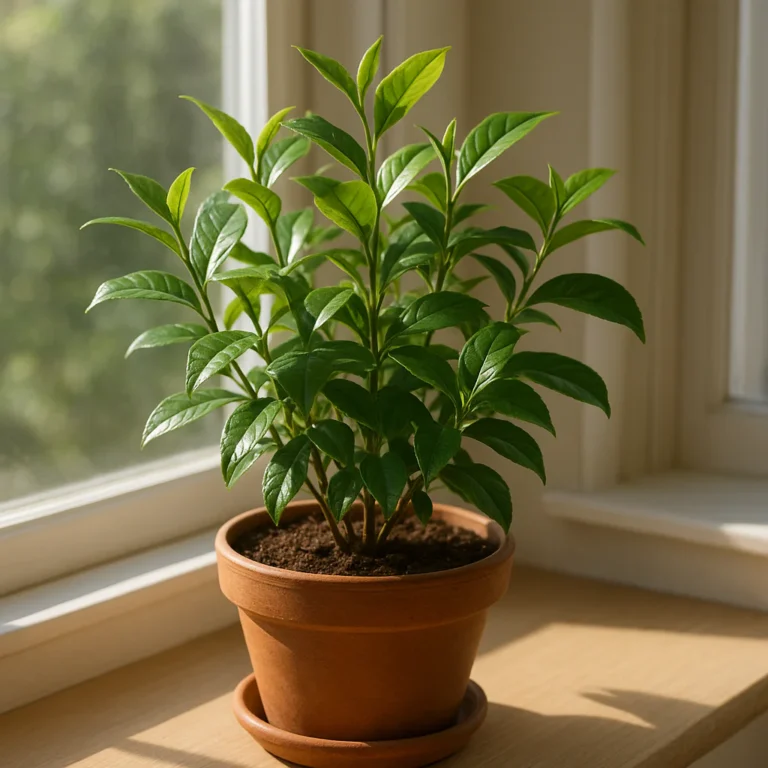
This is the “True Tea.” While the Assam variety loves heat, the Chinese variety (Camellia sinensis var. sinensis) is much hardier. Look for the ‘Sochi’ cultivar, which originated in Russia and is famous for its cold tolerance.
Product Spotlight: Camellia Forest Nursery ‘Sochi’ Tea Plant
This is our top recommendation for northern gardeners.
| Aspect | Rating (1-10) | Notes |
|---|---|---|
| Cold Hardiness | 9 | Survives down to Zone 6b with ease. |
| Flavor Profile | 8 | Sweet, mellow, and perfect for green tea. |
| Growth Rate | 6 | A bit slow to start, but sturdy. |
| Disease Resistance | 9 | Very resistant to common leaf spots. |
👉 CHECK PRICE on:
- Camellia Sinensis Plants: Amazon | Logee’s Plants | Camellia Forest Nursery Official
2. Herbal Tea Plants That Thrive in Cold Weather
If you want something bulletproof, look no further than herbal tea planting. Many herbs are perennials that go dormant in winter and pop back up in spring, laughing at the frost.
3. Cold-Hardy Green Tea Varieties
Green tea isn’t a different plant; it’s a processing method! However, certain cultivars like ‘Korean Tea’ are specifically bred for the shorter growing seasons found in cooler regions. These plants focus their energy on a quick spring flush, which is exactly what you want for green tea cultivation.
4. Hardy White Tea Cultivars
White tea consists of the youngest, most delicate buds. In cold climates, the slow growth caused by cool spring mornings actually concentrates the sugars and amino acids, leading to a superior, sweeter cup. We recommend the ‘Large Leaf’ varieties for this.
5. Oolong Tea Plants Suited for Cooler Climates
Oolong requires a bit more finesse. In the “first YouTube video” (#featured-video), the presenter notes that while Camellia sinensis can be grown in Zone 6b, it’s often best kept in a pot to control the environment. This is especially true for Oolong, where the leaf quality is paramount.
6. Rooibos and Other Alternative Teas for Cold Regions
While true Rooibos is a South African native that hates frost, you can grow Yaupon Holly (Ilex vomitoria). It is the only caffeine-producing plant native to North America! It’s hardy to Zone 7 and can handle a light freeze without blinking.
7. Mint and Other Aromatic Herbal Teas
Peppermint and Spearmint are the “invaders” of the garden. They are incredibly cold-hardy (Zone 4).
- ✅ Pros: Impossible to kill; great for digestion.
- ❌ Cons: Will take over your entire yard if not contained in pots.
8. Chamomile and Cold-Resistant Flowers for Tea
German Chamomile is a self-seeding annual. Even if the winter kills the plant, the seeds will survive under the snow and sprout as soon as the ground warms up. It’s the ultimate “set it and forget it” tea.
9. Lemon Balm and Other Perennial Herbs
A member of the mint family, Lemon Balm is a hardy perennial that provides a citrusy zing. It’s known for its health benefits of tea, specifically for reducing stress and anxiety.
10. Elderberry and Berry Leaves for Tea Blends
Don’t just grow the berries! Elderberry leaves (used carefully) and Raspberry leaves make fantastic tea bases. Raspberry bushes are notoriously cold-hardy, often surviving deep into Zone 3.
👉 Shop Herbal Seeds on:
- Survival Garden Seeds: Amazon | Official Website
🌡️ Microclimate Magic: Creating the Perfect Cold Climate Tea Garden
You don’t need a greenhouse to cheat the weather. We use “Microclimate Magic” to grow plants in Zone 6 that normally belong in Zone 8.
- The Thermal Mass Trick: Plant your tea near a south-facing stone or brick wall. The wall absorbs heat during the day and radiates it back at night.
- Windbreaks are Life: Cold winter winds cause “desiccation” (drying out). Use a fence or evergreen hedge to block the wind.
- Elevation Matters: Avoid planting in “frost pockets”—low spots in your yard where cold air settles.
🛠️ Essential Tools and Techniques for Growing Tea in Cold Weather
To succeed, you need the right gear. Here is our “Growing Teas™ Approved” toolkit:
- Soil pH Meter: Essential for ensuring your soil stays acidic. We like the Sonkir Soil 3-in-1 Tester.
- Frost Blankets: Brands like Agfabric offer various weights to protect against unexpected late-spring frosts.
- Heavy Mulch: Use pine needles or oak leaves; they add acidity as they break down!
👉 CHECK PRICE on:
🌞 Seasonal Care: Protecting Your Tea Plants Through Winter and Frost
Winter is the “Final Boss” for tea growers. Here is how we ensure our plants survive:
The “Burrito” Method
For young Camellia sinensis plants, we recommend wrapping them.
- Drive four stakes around the plant.
- Wrap burlap around the stakes (not touching the leaves).
- Fill the “cage” with dried leaves for insulation.
- Remove as soon as the ground thaws in spring.
Watering in Winter?
Yes! If the ground isn’t frozen but the air is dry, your tea plant still needs a drink. Many “winter-killed” plants actually died of thirst, not cold.
🌿 Propagation and Pruning Tips for Cold Climate Tea Cultivation
Pruning is vital for green tea cultivation. In cold climates, you should only prune in late winter or early spring before new growth starts.
- Tip: Never prune in late fall. This encourages new, tender growth that will be instantly killed by the first frost, weakening the entire plant.
🍵 Harvesting and Processing Tea Leaves in Cold Climates
The moment of truth! When the “first flush” (the first growth of spring) appears, you’re ready.
- Pluck: Take the top two leaves and the unopened bud.
- Wither: Let them sit in the shade for a few hours to soften.
- Fix: For green tea, steam or pan-fry them briefly to stop oxidation.
- Dry: Use a dehydrator or a low oven.
We’ve found that cold-climate tea often has a thicker leaf cuticle, which makes it more resilient during the rolling process.
💡 Troubleshooting Common Problems: Pests, Diseases, and Weather Woes
| Problem | Symptom | Solution |
|---|---|---|
| Winter Burn | Brown, crispy leaf edges | Increase mulching and use a windbreak. |
| Iron Chlorosis | Yellow leaves with green veins | Soil is too alkaline. Add elemental sulfur or chelated iron. |
| Root Rot | Wilting despite wet soil | Improve drainage! Use organic farming techniques. |
🌍 Sustainable and Organic Practices for Cold Climate Tea Growing
We are big believers in organic farming techniques. Instead of chemical fertilizers, which can lead to “salt buildup” that makes plants more sensitive to cold, use composted pine bark and fish emulsion. These slow-release nutrients build a stronger, more resilient root system.
📚 Expert Stories and Anecdotes from Cold Climate Tea Growers
One of our lead growers, Sarah, once tried to grow a ‘Small Leaf’ Camellia in Zone 5b (Vermont). She forgot to mulch it during a “Polar Vortex” year. The plant died back to the ground, and she was heartbroken. But, because she had used organic farming techniques to build a massive root system, the plant resprouted from the roots in June! It’s now a 4-foot bush. Never underestimate the power of a healthy root system.
🎁 Bonus: DIY Tea Blends from Your Cold Climate Garden
Once you’ve mastered the grow, it’s time for DIY tea blending.
The “Northern Comfort” Blend:
- 2 parts Home-grown Green Tea (Camellia sinensis)
- 1 part Dried Peppermint
- A pinch of dried Elderberries
This blend is high in Vitamin C and perfect for those chilly autumn evenings when you’re watching the first frost settle on your garden. But wait—how do you actually store these leaves so they don’t lose their flavor by Christmas? We’ll resolve that mystery in the next section!
🔚 Conclusion: Your Cold Climate Tea Growing Journey Awaits!

So, can you grow tea in cold climates? Absolutely yes! Whether you’re nurturing the hardy Camellia sinensis ‘Sochi’ variety, cultivating aromatic herbs like peppermint and lemon balm, or experimenting with native caffeine sources like Yaupon Holly, there’s a tea plant for every chilly garden nook.
Our journey uncovered that success hinges on understanding your local USDA zone, creating microclimates, and protecting your plants with mulch and windbreaks. Remember Sarah’s story? Even when the Polar Vortex seemed to have the last word, a healthy root system and organic care brought her tea bush back to life—a testament to nature’s resilience and good gardening.
If you’re aiming for true tea leaves, the ‘Sochi’ Camellia sinensis is your best bet for cold hardiness and flavor. For herbal teas, mint and chamomile are your trusty sidekicks, thriving with minimal fuss. And don’t forget to experiment with DIY blends to savor your garden’s bounty in every cup.
Winter watering, pruning timing, and soil acidity are your secret weapons to keep your tea plants thriving year after year. With patience and a little frost savvy, your cold climate garden can become a tea lover’s paradise.
Ready to start? Your cold climate tea garden adventure is just a seed away! 🍵🌿
🔗 Recommended Links for Cold Climate Tea Enthusiasts
-
Camellia Sinensis ‘Sochi’ Tea Plant:
Amazon | Camellia Forest Nursery Official -
Herbal Tea Seeds (Peppermint, Lemon Balm, Chamomile):
Amazon | Survival Garden Seeds -
Books on Tea Cultivation and Herbal Gardening:
- The Tea Grower’s Handbook by Peter Bartholomew
- Herbal Tea Gardening: Grow Your Own Medicinal and Culinary Herbs by Sarah Garland
- The Tea Enthusiast’s Handbook by Mary Lou Heiss and Robert J. Heiss
Find these on Amazon
❓ FAQ: Your Burning Questions About Growing Tea in Cold Climates Answered

What are the best tea plants for cold climate gardening?
The ‘Sochi’ cultivar of Camellia sinensis var. sinensis tops the list for cold hardiness, thriving down to USDA Zone 6b with proper winter protection. For herbal options, peppermint, lemon balm, and chamomile are excellent perennials that survive harsh winters and bounce back in spring. Additionally, Yaupon Holly (Ilex vomitoria) is a native caffeine source hardy to Zone 7, offering a unique alternative to traditional tea plants.
How can I grow green tea in a cold climate?
Growing green tea in cooler zones requires selecting cold-hardy cultivars like ‘Sochi’ or Korean varieties bred for shorter growing seasons. Plant in acidic, well-drained soil with a pH between 4.5 and 5.8. Use mulch and windbreaks to protect roots and reduce desiccation. Container gardening is highly recommended in Zones 5 and below, allowing you to move plants indoors during winter. Prune in late winter or early spring to encourage healthy new growth, and harvest the top two leaves plus the bud during the first flush of spring for the best flavor.
Which herbal teas thrive in cold weather conditions?
Herbs such as peppermint, spearmint, lemon balm, and German chamomile are among the most cold-hardy and easy to grow. They typically go dormant during winter and self-seed or regrow in spring. These herbs prefer well-drained soil and can be grown in raised beds or containers. Their resilience and minimal care requirements make them perfect for gardeners in USDA Zones 4–7.
What tips help protect tea plants during winter?
- Mulch heavily with organic materials like pine needles or oak leaves to insulate roots and maintain soil moisture.
- Create windbreaks using fences or evergreen hedges to reduce drying winter winds.
- Use frost blankets or burlap wraps (the “burrito” method) around young plants to shield them from extreme cold.
- Water during dry winter spells if the ground isn’t frozen to prevent dehydration.
- Avoid late fall pruning to prevent tender new growth that will be damaged by frost.
How do I ensure my tea plants get the right soil conditions in cold climates?
Tea plants thrive in acidic soil (pH 4.5–5.8) with excellent drainage. Use a soil pH meter to monitor regularly. Amend soil with elemental sulfur or organic matter like pine bark to lower pH if needed. Raised beds or berms help improve drainage, especially in areas prone to waterlogging during freeze-thaw cycles.
Can I grow tea plants indoors during winter?
Yes! Container-grown tea plants can be moved indoors to a bright, humid location during the coldest months. Maintain temperatures above 50°F and avoid direct heat sources that dry out the air. Indoor growing extends your tea harvest season and protects plants from frost damage.
📖 Reference Links and Further Reading
- USDA Plant Hardiness Zone Map: https://planthardiness.ars.usda.gov/
- Camellia Forest Nursery (Sochi Tea Plant): https://camelliaforest.com/
- Survival Garden Seeds (Herbal Tea Seeds): https://survivalgardenseeds.com/
- Sonkir Soil 3-in-1 Tester on Amazon: https://www.amazon.com/s?k=soil+ph+meter&tag=bestbrands0a9-20
- Agfabric Frost Protection Blankets: https://www.amazon.com/s?k=frost+blankets+for+outdoor+plants&tag=bestbrands0a9-20
- Growing Teas™ – What Tea Can You Grow at Home? https://www.growingteas.com/what-tea-can-you-grow-at-home/
- Growing Teas™ – Herbal Tea Planting: https://www.growingteas.com/category/herbal-tea-planting/
- Growing Teas™ – Green Tea Cultivation: https://www.growingteas.com/category/green-tea-cultivation/
- Growing Teas™ – Organic Farming Techniques: https://www.growingteas.com/category/organic-farming-techniques/
- Growing Teas™ – DIY Tea Blending: https://www.growingteas.com/category/diy-tea-blending/
- Creative Vegetable Gardener – Does Herbal Tea Have Caffeine + How to Grow Your Own: https://www.creativevegetablegardener.com/does-herbal-tea-have-caffeine/
Ready to brew your own cold climate tea? Let’s get growing! 🍃🍵