Support our educational content for free when you purchase through links on our site. Learn more
6 Best Practices for Tea Leaf Cultivation & Harvest 🍃

The best practices for tea leaf cultivation and harvest start with healthy, well-drained soil and end with gentle, timely plucking of young shoots. Give Camellia sinensis steady moisture, suitable light, and patient pruning; then harvest tender growth without stripping the bush bare.
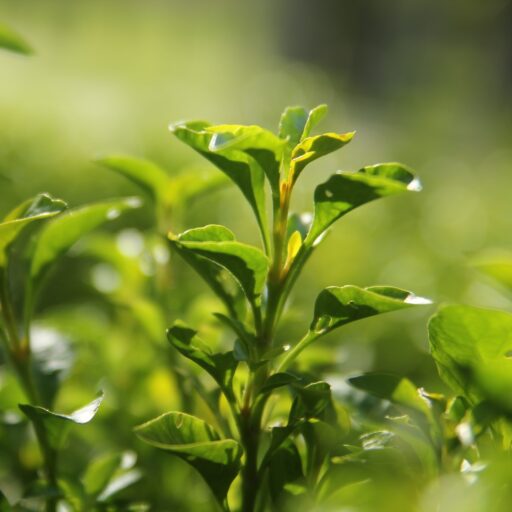
We’ve learned that a tea garden rewards observation more than fussing. Check the newest shoots after a warm spell, and you’ll see why experienced growers focus on the bud and its young leaves: careful picking protects future growth while giving you tender material for a fresh batch.
Here’s the satisfying part: tea leaves are shaped by both the garden and what you do after harvest. The same plant can become green, black, white, or olong tea through different processing choices—so a good harvest is the beginning, not the whole story.
Key Takeaways
- Choose the right site: Tea prefers acidic, well-drained soil, consistent moisture, and protection from harsh wind and frost.
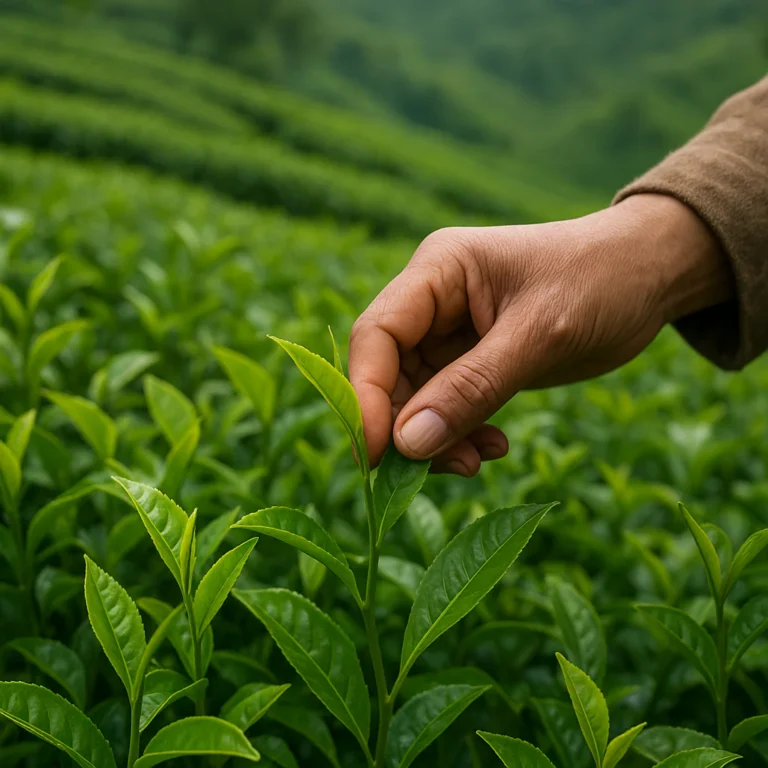
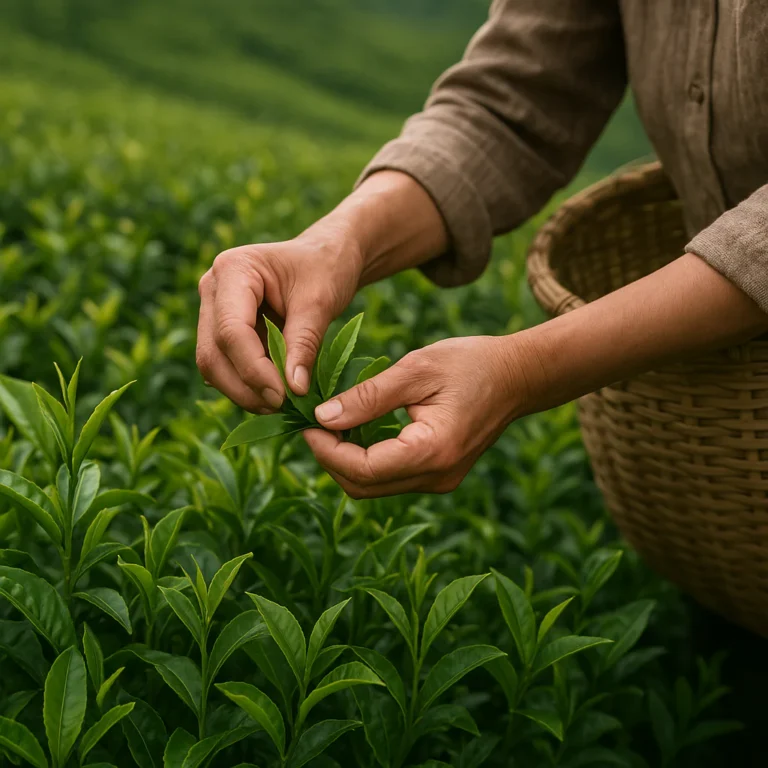
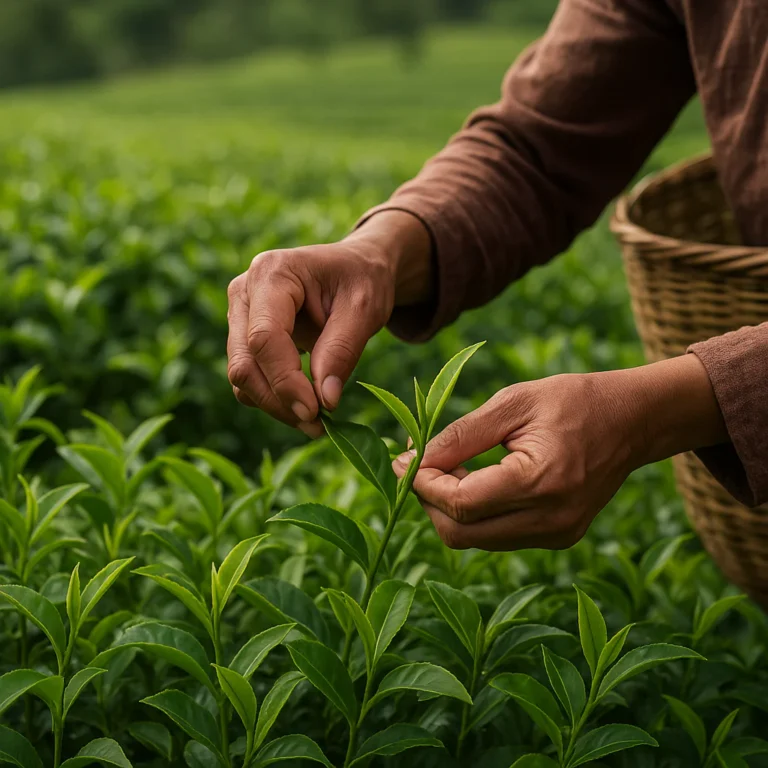
- Harvest young shoots gently: Pluck the bud with one or two tender leaves, and avoid damaging the growing points or stripping the bush.
- Time your picking to the flush: Harvest when new growth is ready, using the plant’s condition and local weather—not a rigid calendar—as your guide.
- Handle leaves carefully: Keep fresh leaves clean, cool, and loose, then process them promptly to limit bruising and unwanted deterioration.
- Protect long-term plant health: Prune thoughtfully, manage pests early, and leave enough foliage for strong regrowth.
Table of Contents
- ⚡ Quick Tips and Facts for Growing Tea
- 🌱 Tea Plant Basics: Species, Climate, and Growing Regions
- Camellia sinensis varieties: Assamica and sinensis
- How tea plants grow and produce harvestable shoots
- 🗺️ Choosing a Site for a Tea Garden
- Climate, temperature, rainfall, and elevation
- Sunlight, shade, wind, and frost protection
- Soil type, drainage, and suitable pH
- 🪴 Tea Cultivation Methods: Seeds, Cutings, and Transplants
- Growing tea from seed
- Propagating tea from cutings
- Selecting healthy nursery plants
- 🌿 Planting Tea: Spacing, Timing, and Establishment
- Preparing the soil and planting beds
- Plant spacing and garden layouts
- Watering and caring for young tea plants
- 💧 Water, Soil, and Nutrient Management
- Irrigation, rainfall, and moisture management
- Mulching, compost, and soil health
- Fertilizing tea plants responsibly
- ✂️ Pruning, Training, and Maintaining a Plucking Table
- Formative pruning for young tea bushes
- Tipping, skiffing, and rejuvenation pruning
- Managing ground cover and weeds
- 🐛 Tea Plant Pests, Diseases, and Integrated Pest Management
- Common tea pests and their signs
- Tea diseases and prevention
- Organic controls and integrated pest management
- 🍃 Best Practices for Tea Leaf Cultivation and Harvest
- 1. Choose the right harvest season and plucking interval
- 2. Identify the correct flush and leaf standard
- 3. Pluck shoots gently and consistently
- 4. Harvest at the right time of day and in suitable weather
- 5. Keep harvested leaves clean, cool, and uncompressed
- 6. Protect plant health and future yields
- 🧺 Tea Plucking Standards: Bud-and-Leaf Grades Explained
- Bud-only, one leaf and a bud, and two leaves and a bud
- Fine plucking versus coarse plucking
- How plucking standards affect flavor and yield
- 📅 Flushes, Seasons, and Harvest Timing
- First flush, second flush, monsoon flush, and autumn flush
- How weather and altitude shape harvest quality
- How often to harvest tea leaves
- 🧤 Hand Plucking and Mechanical Tea Harvesting
- Hand harvesting tools and safe techniques
- Mechanical harvesting: benefits and trade-offs
- Choosing a harvesting method for your garden
- 🔍 Sorting, Weighing, and Handling Fresh Tea Leaves
- Removing damaged leaves and foreign material
- Preventing bruising, heat buildup, and contamination
- Harvest records, traceability, and quality checks
- 🍵 From Garden to Cup: Processing Fresh Tea Leaves
- Withering and moisture reduction
- Rolling, shaping, and leaf-cell disruption
- Oxidation for black and olong tea
- Fixation for green and yellow tea
- Drying, firing, and final moisture control
- Sorting and storing finished tea
- 🌈 How Harvest and Processing Shape Tea Flavor
- Leaf maturity, season, and aroma
- Cultivar, terroir, and growing conditions
- Harvest choices for green, black, white, and olong tea
- 📈 Tea Yield, Quality, and Sustainable Garden Management
- Balancing leaf quality with harvest volume
- Regenerative practices and biodiversity
- Water conservation and climate resilience
- 🏡 Growing and Harvesting Tea at Home
- Tea plants in containers and small gardens
- Harvesting enough leaves for a home batch
- Common home-growing mistakes to avoid
- 🧰 Tea Growing and Harvesting Tools Checklist
- ❓ Frequently Asked Questions About Tea Cultivation and Harvest
- How long does a tea plant take to produce a harvest?
- Can you grow tea in a cool climate?
- Can you harvest tea leaves after rain?
- How many leaves should you pluck from each shoot?
- Can harvested tea leaves be stored before processing?
- ✅ Tea Cultivation and Harvest Quick Checklist
- Conclusion
- Recommended Links
- Reference Links