Support our educational content for free when you purchase through links on our site. Learn more
How to Protect Tea Plants From Pests & Disease 🌿

To protect tea plants from pests and diseases, inspect them regularly, keep their roots and leaves healthy, and identify the problem before treating it. If you’re asking, “How do I protect my tea plants from pests and diseases?”, the best answer is an integrated approach: prevention first, targeted action when needed, and extra care with anything sprayed on leaves you plan to drink.
We’ve learned that a curled leaf is a clue, not a diagnosis. Mites, thrips, disease, drought, and waterlogged roots can all leave a tea plant looking miserable, so a quick check with a hand lens—and a look at the soil—can save you from reaching for the wrong remedy.
Key Takeaways
- Inspect tea plants at least weekly, especially tender new growth and leaf undersides.
- Identify the cause before treating. Similar symptoms can come from pests, disease, watering problems, or nutrient stress.
- Prevent problems with good growing conditions: acidic, well-drained soil, appropriate watering, airflow, and clean tools.
- Use low-impact, targeted controls first, such as hand-picking pests, removing localized damage, or rinsing suitable soft-bodied insects.
- Treat tea as an edible crop. Use pesticides only when the label permits the intended tea or food-crop use, and follow harvest restrictions exactly.
Table of Contents
- ⚡️ Quick Tips and Facts About Tea Plant Health
- 🌱 Tea Plant Origins and How Their Environment Influences Pest and Disease Risks
- 🕵️ How to Spot Pest and Disease Problems Early
- A practical tea plant inspection routine
- Symptoms that need a closer look
- Pest damage or plant disease? How to tell the difference
- 🐛 12 Common Tea Plant Pests and How to Manage Them
- 1. Tea mosquito bug (Helopeltis theivora)
- 2. Red spider mites (Oligonychus coffeae)
- 3. Tea thrips (Scirtothrips dorsalis)
- 4. Tea scale insects (Fiorinia theae)
- 5. Tea aphids
- 6. Tea leafrollers and caterpillars
- 7. Tea jassids and leafhoppers
- 8. Tea loopers
- 9. Tea tortrix and other leaf-feding moths
- 10. Tea root wevils
- 11. Termites
- 12. Nematodes and other soil-dwelling pests
- 🦠 Tea Plant Diseases: Symptoms, Causes, and Control
- Blister blight (Exobasidium vexans)
- Grey blight (Pestalotiopsis theae)
- Root rot (Armillaria mellea and other pathogens)
- Red rust (Cephaleuros parasiticus)
- Black rot and other fungal threats
- Bacterial and viral problems in tea plants
- Nutrient deficiencies and environmental stress that mimic disease
- 🛡️ Preventive Measures to Protect Tea Plants
- Choose healthy plants and quarantine new arrivals
- Cultural practices that make a difference
- Pruning, airflow, and sanitation
- Watering, drainage, soil, and mulch
- Shade, spacing, and seasonal care
- When and how to remove infected plant material
- 🔍 Monitoring and Early Detection: Catch Problems Before They Spread
- How often to inspect tea plants
- What to record in a pest and disease log
- Using sticky traps, a hand lens, and simple diagnostic tools
- When to seek a plant clinic or laboratory diagnosis
- 🌿 Organic and Sustainable Tea Plant Protection
- Integrated pest management (IPM): a practical 12-step plan
- Biological controls: nature’s pest fighters
- Organic sprays, soaps, oils, and their limits
- Companion plants and habitat for beneficial insects
- What to avoid: home remedies that can harm tea plants
- 🧪 Chemical Treatments: Responsible Pesticide Use
- When pesticides may be warranted
- How to choose a product labeled for the pest and plant
- Protect pollinators, beneficial insects, people, and pets
- Resistance management and why repeated spraying backfires
- Harvest intervals and tea leaves intended for consumption
- 🧰 Tools and Equipment for Tea Pest and Disease Management
- 📊 Real-Life Tea Garden Pest and Disease Case Studies
- Case study: blister blight in a humid tea garden
- Case study: organic management of tea mosquito bug
- Case study: diagnosing and managing root rot in a home garden
- 💡 Expert Tips From the Growing Teas™ Team
- ❓ Tea Plant Pest and Disease FAQs
- How can I identify common pests on tea plants?
- What are the most common diseases affecting tea plants?
- How often should I inspect tea plants for pests and diseases?
- What organic treatments can protect tea plants from pests and disease?
- Can I prevent tea plant root rot naturally?
- Are chemical pesticides necessary for tea plants?
- Can damaged tea leaves still be harvested?
- Why are my tea plant leaves turning brown, yellow, or spotted?
- Conclusion
- Recommended Links
- Reference Links and Scientific Sources
⚡️ Quick Tips and Facts About Tea Plant Health
Protecting tea (Camellia sinensis) starts with a simple rule: inspect, identify, then act. A curled leaf is a clue, not a diagnosis; poor drainage, drought, nutrient stress, and pests can all leaves looking unhappy.
For harvesting guidance once your plants are healthy, see When and how should I harvest tea leaves?.
| Quick fact | What we recommend |
|---|---|
| Inspection | Check plants at least weekly during active growth. Look beneath leaves, along tender shoots, and around the soil line. |
| First response | Confirm what you’re seeing before spraying. A few insects without fresh damage may only need monitoring. |
| Water and roots | Tea prefers acidic, well-drained growing conditions. Persistent sogy soil raises root-health risks; wilting in wet soil is a reason to check drainage, not automatically add water. |
| Airflow | Prune selectively and avoid overcrowding. Dense, wet foliage can favor some diseases. |
| Sprays | Use a treatment only when its label permits the crop, pest, and intended use. Tea leaves are food, not ornamental confetti. |
| After treatment | Reinspect and record results. If damage continues, reconsider the diagnosis and ask a local extension service or plant clinic for help. |
Tea is generally grown in acidic soil, but the ideal pH and care depend on site and cultivar. Check local growing guidance or a soil test before making big amendments; the University of Hawaiʻi’s tea-growing guidance provides helpful cultivation context.
The short version: healthy growing conditions reduce vulnerability, regular scouting catches problems early, and targeted action beats routine spraying. 🌿
🌱 Tea Plant Origins and How Their Environment Influences Pest and Disease Risks
Tea is a subtropical evergreen shrub. Commercial tea is grown in diverse climates, from humid highlands to warm lowland regions, so there is no single pest calendar that fits every garden. Local weather, plant variety, nearby host plants, and growing conditions all matter.
The same environment that keeps tea growing can also influence pest and disease pressure:
- Warm, dry conditions can favor some mite problems.
- Prolonged leaf wetness and crowded growth can increase conditions favorable to certain leaf diseases.
- Waterlogged soil stresses roots and may worsen root decline.
- Drought or excessive heat can stress plants and make symptoms resemble disease.
- Tender new growth can attract sap-feding insects and chewing pests.
Tea generally does best in acidic, well-drained soil. Don’t treat a pH figure as a universal command: local soils, containers, water quality, and cultivar can change what works. For a broader look at the growing conditions behind green tea cultivation and fertilizers for tea plants, start with your actual site and plant rather than a calendar or a bottle label.
Why regional advice sometimes conflicts
A spray recommendation that makes sense for a large tea estate in a humid region may be excessive—or legally unsuitable—for a few edible tea plants in a home garden. Pest species, approved products, harvest rules, and climate differ. Trust locally relevant diagnosis and the product label over a generic recipe.
🕵️ How to Spot Pest and Disease Problems Early
Early detection is less dramatic than a rescue spray, but far more useful. In our experience, the best first step is often a closer look—not a stronger remedy.
A practical tea plant inspection routine
Set aside a few minutes each week. Inspect more often during active growth, after introducing a new plant, or when you notice fresh damage.
- Look at the whole plant. Compare its newest growth and overall vigor with previous weeks.
- Check tender shoots and leaf undersides. Sap-feders and mites often hide where a quick glance misses them.
- Inspect stems, leaf joints, and folds. Look for scale, eggs, cottony clusters, honeydew, or webing.
- Look below the canopy. Check fallen leaves, pot rims, saucers, and the soil surface for clues.
- Check moisture and drainage. Note whether soil is dry, evenly moist, or persistently saturated.
- Record what you find. Take a dated photo and jot down the weather, symptoms, and any action taken.
A Carson MicroBrite Plus pocket microscope or a basic 10× hand lens can help reveal tiny mites and insects. Sticky cards can indicate that flying insects are around, but they do not diagnose every pest or solve an infestation by themselves.
Symptoms that need a closer look
| What you notice | Possible causes to investigate |
|---|---|
| Fine pale speckling, bronzing, or delicate webing | Mites; also check for drought or heat stress |
| Silvery scarring or curled young leaves | Thrips or other feeding damage |
| Sticky leaves or soty residue | Honeydew-producing insects such as aphids or scale |
| Iregular holes or raged edges | Caterpillars, slugs, or other chewers |
| Spots, patches, or blisters on leaves | Disease, physical damage, or environmental stress |
| Yellowing and wilting while soil is wet | Root stress or root disease; inspect drainage and roots |
| Suden dieback | Check roots, stems, watering, weather, and nearby pest activity |
These are clues, not diagnoses. A symptom can have several causes. Before treating, check whether it is spreading, whether pests are present, and whether the plant’s growing conditions have changed.
Pest damage or plant disease? How to tell the difference
Pests may leave insects, eggs, honeydew, webing, feeding scars, or visible chewing. Disease may appear as spreading spots, blisters, rots, or lesions, but visual signs overlap with nutrient and environmental stress.
Try this sequence:
- Find the pattern: Is damage limited to new shoots, scattered across the plant, or concentrated near the soil?
- Look for the organism: Use a hand lens and inspect both leaf surfaces.
- Check conditions: Review water, drainage, light, temperature, and recent fertilizer use.
- Compare over time: Mark or photograph affected leaves and see whether the pattern progresses.
- Ask for help when uncertain: A local extension service, nursery, or plant clinic can help identify a problem before you apply a treatment.
🐛 12 Common Tea Plant Pests and How to Manage Them
Tea pest pressure varies by region. The insects below are useful suspects to know, not a guarantee that each one occurs wherever you grow tea.
Start with observation. If you find a small number of insects but no spreading damage, note the location and recheck. If fresh injury is increasing, identify the pest and choose a proportionate response.
| Pest | Common clues | First sensible response |
|---|---|---|
| Tea mosquito bug | Dark lesions on tender shoots; distorted growth | Inspect new growth; prune localized damage if appropriate; seek local advice |
| Red spider mites | Fine stipling, bronzing, sometimes webing | Check undersides with a lens; reduce plant stress; use a targeted method if confirmed |
| Thrips | Silvery scars, curled or stunted young leaves | Inspect folds and new growth; remove heavily affected tips selectively |
| Tea scale | Small fixed bumps; yellowing or leaf drop | Confirm scale; prune localized infestations or use a label-approved targeted treatment |
| Aphids | Clusters on tender growth, sticky honeydew | Dislodge with water or remove small clusters |
| Leafrollers and caterpillars | Roled leaves, holes, frass | Open folded leaves and hand-remove caterpillars |
| Jassids and leafhoppers | Leaf-edge discoloration, curling, or stipling | Monitor new growth and nearby vegetation |
| Loopers | Chewed leaves and visible caterpillars | Hand-pick where practical |
| Leaf-feding moth larvae | Holes, skeletonized patches, or rolled leaves | Look for larvae and eggs; protect beneficial insects |
| Root wevils | Declining growth, root injury, or notched foliage | Check roots carefully; confirm before treating soil |
| Termites | Damaged roots or stems, especially in stressed plants | Check the plant and surrounding soil; consult local advice |
| Nematodes and other soil pests | Poor vigor, uneven growth, root abnormalities | Seek diagnosis; symptoms overlap with root disease and poor drainage |
1. Tea mosquito bug (Helopeltis theivora)
This sap-feding bug can injure tender shoots. Look for dark lesions, distorted young growth, and dieback. The name is commonly associated with tea-growing regions in Asia; pest prevalence and management recommendations are regional, so consult your local tea or crop extension service before treating.
2. Red spider mites (Oligonychus coffeae)
Mites are tiny enough to be missed during a casual inspection. Look for fine stipling, bronzing, or webing, particularly on leaf undersides. A practical check: tap an affected leaf over white paper and look for moving specks with a hand lens.
Avoid jumping straight to a spray. First confirm mites, check whether the plant is dry or heat-stressed, and reassess nearby plants.
3. Tea thrips (Scirtothrips dorsalis)
Thrips can scar tender leaves and shoots, leaving a silvery look or distorted growth. Inspect folded leaves and the newest flush. Since other stresses can curl leaves too, look for the insects or their feeding signs before choosing a treatment.
4. Tea scale insects (Fiorinia theae)
Scale insects appear as small, fixed bumps on leaves or stems. Some species may cause yellowing and leaf drop. Confirm that the bumps are scale before scraping or spraying; targeted pruning can help where an infestation is localized.
5. Tea aphids
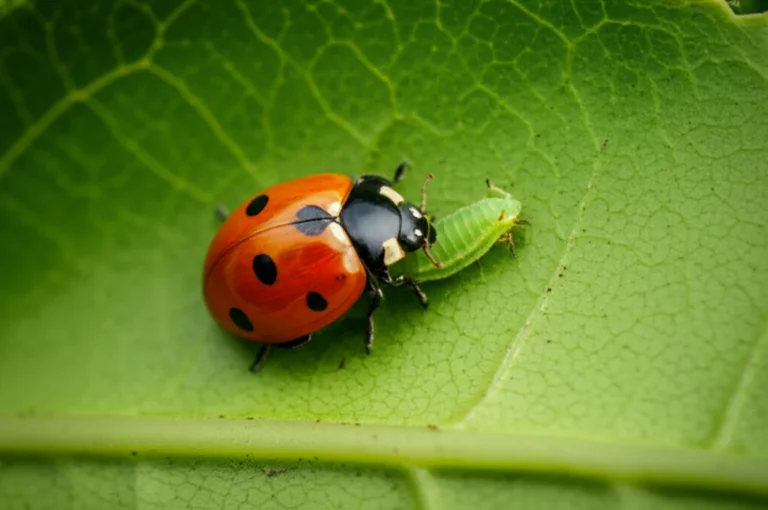
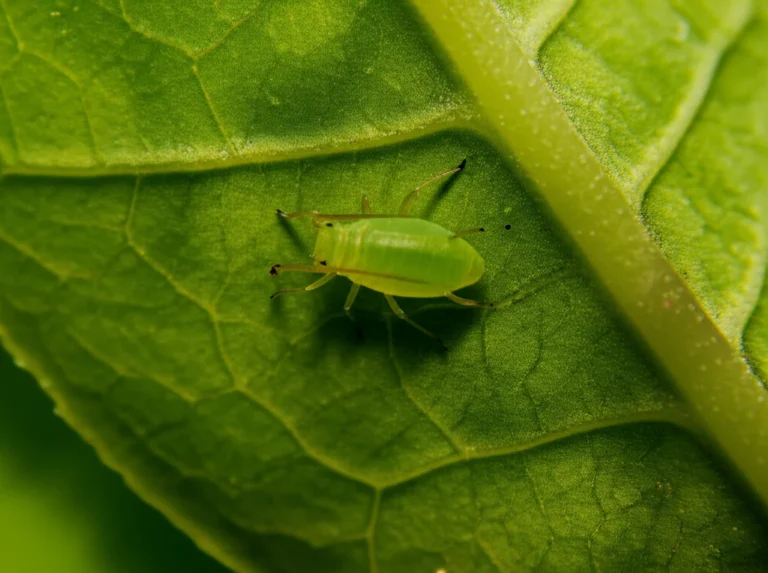
Aphids often cluster on fresh, soft growth and may leave sticky honeydew. For a small colony, rinse the affected shoot with water or remove the infested tip. Preserve lady beetles and lacewings if they are feeding nearby. 🐞
6. Tea leafrollers and caterpillars
Roled or folded leaves can conceal caterpillars and feeding damage. Open suspicious folds and inspect for larvae, eggs, and droppings. Hand-picking is practical on a small plant; severe or widespread damage calls for accurate identification before considering any product.
7. Tea jassids and leafhoppers
These sap-feders may contribute to leaf stipling, curling, or discolored edges. Similar symptoms can come from water or nutrient stress, so inspect for insects and compare affected leaves with healthy growth.
8. Tea loopers
Looper caterpillars chew leaves and can be hard to spot because their shape and color may blend into stems. Check carefully rather than treating every hole as a disease. Remove visible larvae when feasible.
9. Tea tortrix and other leaf-feding moths
Some moth larvae roll or tie leaves together and feed inside. Look for rolled leaves, frass, and larvae. If a biological control such as Bacillus thuringiensis (Bt) is considered, it must match the susceptible caterpillar and be permitted for the crop on the product label; Bt does not control all insects.
10. Tea root wevils
Root-feding wevils can cause decline that resembles drought or root disease. Some adults also chew foliage. Check for root injury and adult insects, but avoid soil treatments without confirming the pest and the product’s permitted use.
11. Termites
Termites are not always the cause of a declining tea plant, and damaged roots can be confused with other problems. Check the root zone and plant structure, then seek local identification before choosing a control strategy.
12. Nematodes and other soil-dwelling pests
Poor vigor and abnormal roots can point to soil pests, but they can also result from waterlogging, root rot, compaction, or poor pot drainage. A soil or root diagnosis is much more reliable than a guess followed by a broad treatment.
🦠 Tea Plant Diseases: Symptoms, Causes, and Control
Disease names can sound definitive, but a spotted leaf does not identify a pathogen by itself. Weather, plant stress, and growing conditions often influence symptoms. Confirm the likely cause before applying a fungicide, especially on tea grown for harvest.
Blister blight (Exobasidium vexans)
Blister blight is a tea disease associated with young leaves and humid growing conditions. Early symptoms may include pale, translucent areas that develop into raised blisters; affected tissue may later turn brown. In suitable conditions, inspect new growth and look for disease signs on the leaf surface and underside. Remove badly affected material where practical, improve airflow, and seek region-specific guidance for serious outbreaks.
Grey blight (Pestalotiopsis theae)
Grey blight can produce grey or brown leaf spots, sometimes with darker margins. Other leaf spots may look similar. Remove clearly diseased debris, avoid working through wet foliage, and improve airflow; get a diagnosis if the problem is spreading.
Root rot (Armillaria mellea and other pathogens)
Root rot is a broad term for root damage caused by different pathogens and conditions. Warning signs can include yellowing, wilting, weak growth, and decayed roots. Wilting in wet soil is not a cue to add more water. Check drainage, inspect roots if it is safe to do so, and remove standing water from pots or saucers. Severely affected plants may not recover, so confirm the cause before discarding them.
Red rust (Cephaleuros parasiticus)
Red rust can appear as orange-red or rusty patches on leaves or stems. Other algae, fungi, and environmental damage can cause similar marks. Improve airflow and plant vigor, remove badly affected material, and seek local confirmation if patches continue to spread.
Black rot and other fungal threats
The label “black rot” can refer to different problems depending on the crop and region. Dark lesions, rotting tissue, or dieback need closer diagnosis. Remove only clearly affected material, keep tools clean, and avoid treating a named disease based solely on color.
Bacterial and viral problems in tea plants
Bacterial and viral symptoms can resemble fungal disease, nutrient deficiency, or damage from insects. Some problems may spread through infected plants, tools, or vectors. Isolate suspicious new plants, clean tools between plants, and consult a diagnostic service if symptoms are unusual or worsening.
Nutrient deficiencies and environmental stress that mimic disease
Yellowing, leaf scorch, poor growth, and curling can arise from nutrient imbalance, drought, waterlogging, pH problems, root damage, or temperature stress. Don’t apply extra fertilizer as a cure-all: excess nutrients may harm roots or encourage tender growth. A soil test and review of watering and drainage are often better first steps. For more on feeding, see Fertilizers for Tea Plants.
🛡️ Preventive Measures to Protect Tea Plants
Prevention is not a promise that pests will never visit. It is a way to give your tea plants better odds and make problems easier to catch.
Choose healthy plants and quarantine new arrivals
Before bringing a plant near established tea, check its leaves, stems, poting mix, and drainage holes. Keep it separate for a period of observation and inspect it regularly. A hidden hitchiker is much easier to manage before it moves into the whole garden.
Cultural practices that make a difference
- Give plants enough space for mature growth and easy inspection.
- Water according to the soil and weather rather than a rigid schedule.
- Use a well-drained growing medium and pots with drainage holes.
- Feed thoughtfully; do not use fertilizer to mask unexplained symptoms.
- Keep weeds and nearby plants under observation, since they may shelter pests or support beneficial insects.
Pruning, airflow, and sanitation
Prune dead or clearly diseased material when conditions are suitable, and avoid severe pruning when plants are heat- or drought-stressed. Clean tools between suspect plants. For small home gardens, a clean cut with disinfected shears can reduce accidental spread; follow appropriate sanitation guidance and allow tools to dry.
A Felco F-2 Classic pruning shear is a durable option for general garden pruning, though sharp, clean shears from any reputable brand can do the job.
Watering, drainage, soil, and mulch
Water the root zone when the plant needs it, and allow excess water to drain. Avoid leaving pots in standing water. A light layer of organic mulch can help moderate soil moisture, but keep it away from the stem and do not pile it against the plant.
Tea favors acidic conditions, but don’t change soil pH by guesswork. Test first, especially if you use tap water, compost, or a container mix. Raised beds or improved drainage may help where soil stays wet.
Shade, spacing, and seasonal care
Choose a site suited to the variety and local climate. Avoid sudden changes in sun exposure, and watch for heat or drought stress during hot weather. Spacing should support airflow without leaving plants so exposed that they dry excessively. The right balance depends on your climate and whether the tea is grown in a pot, hedge, or garden bed.
When and how to remove infected plant material
- Remove only material that is clearly infested or diseased.
- Avoid shaking suspect leaves over healthy plants.
- Bag and dispose of affected material according to local guidance; don’t automatically compost diseased debris.
- Clean tools and wash hands after handling suspicious plants.
- Keep a record so you can tell whether sanitation is helping.
🔍 Monitoring and Early Detection: Catch Problems Before They Spread
A weekly inspection is a useful baseline, not a magic number. Check more often when plants are actively flushing, weather is warm and wet, fresh damage appears, or a new plant has joined the garden.
How often to inspect tea plants
| Situation | Suggested approach |
|---|---|
| Healthy plant in steady conditions | Inspect weekly |
| New plant or recent repoting | Inspect frequently during the observation period |
| Warm, wet weather or active new growth | Inspect more often than weekly |
| Fresh damage or a confirmed pest | Recheck every few days until the trend is clear |
| After any treatment | Follow the label’s directions and check for response and plant injury |
What to record in a pest and disease log
Keep it simple: date, plant, symptoms, weather, pest sightings, action, and follow-up. Photos taken from the same angle can show whether a spot or infestation is spreading. A short note such as “three leaves affected; no insects seen; soil wet” is more useful than “plant looks weird.”
Using sticky traps, a hand lens, and simple diagnostic tools
- Hand lens: helps inspect mites, eggs, and small insects.
- White paper: useful for checking whether tiny specks tapped from a leaf are moving.
- Sticky cards: help monitor some flying insects; they are not a complete control strategy.
- Soil moisture check: helps distinguish a watering problem from some other causes of wilt.
- Phone camera and notes: often the most useful tools for tracking change.
Avoid leaving sticky cards where beneficial insects are likely to be trapped, and don’t rely on a trap count alone to identify the cause of leaf damage.
When to seek a plant clinic or laboratory diagnosis
Ask for professional help when symptoms spread quickly, a young plant is declining, root rot is suspected, or the diagnosis remains uncertain after inspection. A local extension office or plant clinic can interpret symptoms in the context of your region, where pest species and approved treatments may differ.
🌿 Organic and Sustainable Tea Plant Protection
Organic and natural do not automatically mean harmless. A product can affect beneficial insects, irritate plants, or be unsuitable for an edible crop. The reliable approach is still identify the problem, start with low-impact options, and follow the label.
Integrated pest management (IPM): a practical 12-step plan
- Inspect the plant and surrounding area.
- Identify the likely pest, disease, or growing stress.
- Check severity: one insect is not automatically an emergency.
- Look for beneficial insects before disturbing the plant.
- Review growing conditions: water, drainage, light, soil, and recent feeding.
- Remove localized damage when practical.
- Hand-pick visible insects or eggs on small plants.
- Use a directed water rinse for suitable soft-bodied pests, avoiding prolonged leaf wetness.
- Improve airflow and sanitation without stripping healthy growth.
- Choose a targeted treatment only if needed, and verify that its current label permits use on tea or the applicable edible crop.
- Protect pollinators, pets, people, and wildlife according to the label.
- Reinspect and record the result before repeating or changing a treatment.
This reflects the core advice in our companion guide, Can IPM Protect Tea Plants? 10 Smart Tactics 🌱: diagnose first, intervene second.
Biological controls: nature’s pest fighters
Lady beetles, lacewings, predatory mites, and parasitoid wasps can help control some pests, but their usefulness depends on the target and local conditions. Keep beneficial insects in the garden by avoiding unnecessary broad-spectrum sprays and providing suitable habitat. Purchased insects may leave if the garden has no food or shelter, so releases are not a guaranteed fix.
Organic sprays, soaps, oils, and their limits
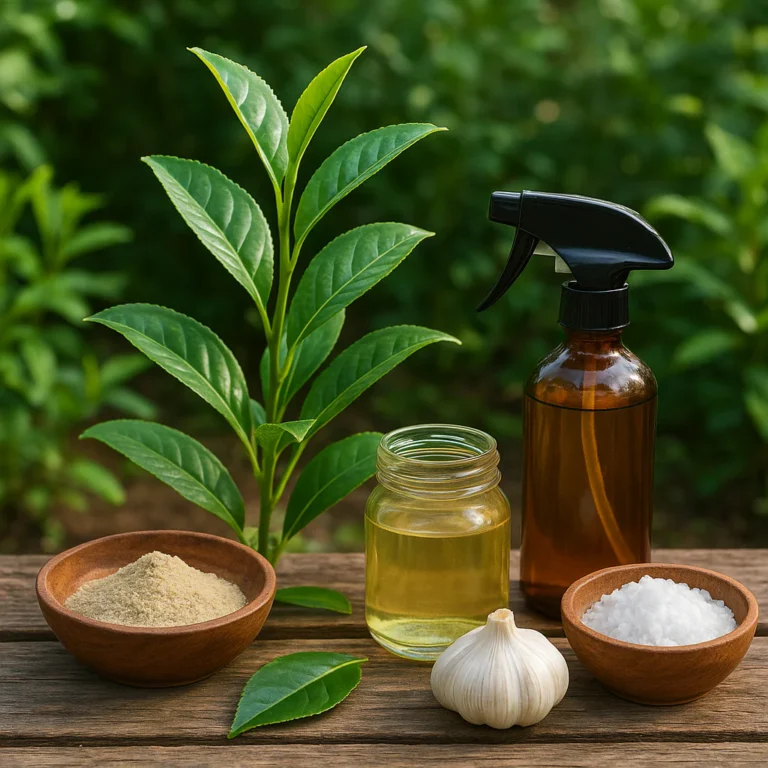
Insecticidal soaps and horticultural oils can work against certain pests when applied correctly, but product labels vary. Confirm the exact crop, target pest, application directions, protective equipment, pollinator instructions, and harvest interval.
Do not substitute household dish soap for labeled insecticidal soap. Household formulas vary and may injure leaves. Neem products also differ; “natural” does not mean approved for tea or safe under every condition.
Some gardeners use products such as Safer Brand Insect Killing Soap, Bonide All Seasons Horticultural Spray Oil, or Bonide Neem Oil. Before using any product on tea leaves intended for harvest, read its current label and confirm the crop and use are permitted where you live. A search result or brand name is not a substitute for label approval.
Companion plants and habitat for beneficial insects
Flowering plants such as sweet alyssum, lavender, and locally suitable native flowers can support beneficial insects. Companion planting is support, not a cure; it does not guarantee pest control. Keep companion plants from crowding tea or competing heavily for water.
Mint spreads aggressively, so grow it in a container if you want it nearby. Check any “trap crop” regularly; a plant that attracts pests can become a pest nursery if left unattended.
What to avoid: home remedies that can harm tea plants
- Don’t spray unidentified pests “just in case.”
- Don’t assume vinegar, strong soap, or homemade mixtures are safe on leaves.
- Don’t apply a product to tea merely because it is approved for another crop.
- Don’t use a pesticide in a way that conflicts with harvest intervals or local regulations.
- Don’t treat every insect as harmful; beneficial species may be doing useful work.
The first embedded YouTube video about using tea as a garden tonic and natural pest-control idea may be entertaining, but treat its claims as a starting point for research—not proof that a homemade tea spray controls pests or is safe on edible tea leaves.
🧪 Chemical Treatments: Responsible Pesticide Use
Pesticides are not the first tool we reach for in a small tea garden. They may be considered when a pest or disease is confirmed, damage is spreading, and non-chemical measures are insufficient—but the product must be legal and labeled for the intended use.
When pesticides may be warranted
Consider a treatment only after confirming the problem and assessing its severity. A growing infestation that is damaging new growth on a weak plant may justify action; a few insects without fresh damage may not.
How to choose a product labeled for the pest and plant
Before buying or applying a product:
- Identify the pest or disease as accurately as possible.
- Read the current, complete label, not just the front of the package.
- Confirm tea or the applicable edible crop and target pest are listed for the intended use.
- Follow application limits, protective equipment, environmental precautions, and harvest intervals.
- Check local regulations and ask an extension service if the label or crop use is unclear.
Protect pollinators, beneficial insects, people, and pets
Follow all label precautions. Avoid exposing pollinators and beneficial insects, and keep people and pets away as directed. A product marketed as organic or natural can still harm non-target organisms.
Resistance management and why repeated spraying backfires
Repeated use of the same pesticide can encourage resistant pest populations. Don’t repeat applications automatically or mix products by guesswork. Recheck the identification, review the label, and consult local crop advisers for region-appropriate resistance-management guidance.
Harvest intervals and tea leaves intended for consumption
Tea leaves are food. Never assume washing makes off-label pesticide use safe. Follow the product’s stated preharvest interval and any other harvest restrictions exactly. If a label does not clearly allow the intended use on tea, do not use that product on leaves you plan to drink.
🧰 Tools and Equipment for Tea Pest and Disease Management
A small kit is enough for most home tea gardens. Buy for usefulness, not for an intimidating-looking arsenal.
| Tool | What it helps with | Example |
|---|---|---|
| 10× hand lens | Inspect tiny insects, eggs, and leaf surfaces | Carson MicroBrite Plus |
| Pruning shears | Remove dead or localized affected growth | Felco F-2 Classic |
| Sticky cards | Monitor some flying insects | Safer Brand Yellow Sticky Traps |
| Sprayer | Apply a permitted product evenly, if needed | Chapin 200 Series sprayer |
| Soil pH meter | Screen soil conditions; confirm unexpected readings with a soil test | Apera Instruments AI209 |
| Garden gloves | Keep hands clean during inspection and pruning | Atlas Nitrile Touch gloves |
| Notebook or phone | Track symptoms, weather, and treatment response | Any durable notebook or camera |
Tools are useful only when used well. Clean pruners after handling suspicious tissue, and remember that a soil pH meter provides a reading—not a diagnosis of plant decline.
📊 Real-Life Tea Garden Pest and Disease Case Studies
These examples illustrate decision-making rather than promise a particular result. Outcomes vary with climate, cultivar, diagnosis, and local regulations. We do not treat a single garden’s experience as proof that one treatment works everywhere.
Case study: blister blight in a humid tea garden
A grower sees pale, raised marks on young leaves after a humid spell. Instead of spraying immediately, they photograph the affected flush, inspect nearby plants, remove clearly affected leaves where practical, and improve airflow. Because the symptoms are spreading, they consult local tea-growing guidance before considering a permitted disease-control product.
Takeaway: confirm the disease and use local advice. A general recommendation for copper or another fungicide is not a substitute for checking crop labeling and local rules.
Case study: organic management of tea mosquito bug
A gardener notices dark marks and distorted growth on tender shoots. They inspect the new flush, compare symptoms across the plant, and look for the pest rather than assuming every lesion has the same cause. They remove a few heavily affected tips, preserve beneficial insects, and monitor for fresh injury before taking further action.
Takeaway: targeted pruning and follow-up can be sensible first steps on a small plant, but a severe or persistent problem needs region-specific identification and advice.
Case study: diagnosing and managing root rot in a home garden
A potted tea plant wilts even though its poting mix is wet. The gardener checks the drainage holes and root zone instead of watering again. They find standing water in the saucer and poor drainage, correct the conditions, and monitor the plant. If decay continues, they seek a diagnosis before deciding whether the plant can recover.
Takeaway: wet soil plus wilting calls for a root and drainage check, not an automatic watering or pesticide routine.
💡 Expert Tips From the Growing Teas™ Team
- Use your eyes before your sprayer. A close inspection can save the plant, beneficial insects, and your time.
- Treat fresh damage as information. It tells you where to inspect next, not necessarily what to buy.
- Don’t chase every blemish. A few marks on old leaves may not threaten the plant; track whether damage reaches new growth.
- Keep watering boring and consistent. Avoid repeated drought-and-flood cycles, and make sure excess water can drain.
- Use fertilizer with a reason. Extra feeding does not cure pests, disease, or poor drainage. See our guide to fertilizers for tea plants.
- Keep harvest plans in view. Before applying any product, check whether it is permitted for tea and respect the label’s harvest directions. Our best tea picking practices can help you plan a clean, healthy harvest.
- Write down what changed. It is surprisingly easy to forget whether a plant looked worse before or after a treatment. A quick photo log settles the argument.
- If symptoms don’t fit, widen the diagnosis. Check roots, drainage, temperature, soil, and nearby plants before you blame a pest.
❓ Tea Plant Pest and Disease FAQs

What are the most common pests that affect tea plants?
Common tea pests vary by region. Tea-growing areas may encounter sap-feders such as tea mosquito bugs, mites, thrips, and scale, as well as aphids, caterpillars, and soil-dwelling pests. The most useful starting point is the damage pattern plus a direct inspection, not a pest list from another climate.
Look under leaves and around tender shoots. Use a hand lens for tiny pests, and check the roots if decline occurs alongside wet or poorly drained soil.
Read more about “15 Tea Garden Pest Natural Predators to Know 🕷️”
How can I control tea pests naturally?
Begin with prevention and accurate identification. Hand-pick visible insects or eggs, selectively prune localized infestations, and use a directed water rinse for suitable soft-bodied pests. Encourage beneficial insects and keep plants healthy with suitable drainage, watering, and airflow.
If you consider a soap, oil, or biological product, verify that its current label permits use on tea or the relevant edible crop and pest. Natural does not automatically mean safe, effective, or approved. Avoid household dish soap and unverified homemade mixtures.
Read more about “🐛 How to Protect Tea Plants from Insects and Pests”
What diseases commonly affect tea plants?
Tea can be affected by diseases such as blister blight, grey blight, root rots, and red rust, depending on location and conditions. Their symptoms can overlap with nutrient deficiencies, sun or cold injury, poor drainage, and pest feeding. Look for patterns, inspect the whole plant, and seek local diagnosis if symptoms spread or the plant declines.
Read more about “10 Tea Plant Types and What Makes Each Unique 🍃”
How often should I inspect tea plants for pests and diseases?
Inspect at least weekly during active growth. Check more frequently after introducing new plants, during conditions that favor problems, or when you see fresh damage. After any intervention, record what you did and reassess rather than repeating a treatment automatically.
Read more about “🌿 Companion Planting with Tea Plants: 20 Garden Partners”
Can I prevent root rot naturally?
You can reduce risk by using well-drained soil, pots with open drainage holes, and watering that avoids persistently saturated roots. Empty standing water from pot saucers, and check soil moisture before watering. These practices reduce waterlogging stress but cannot prevent every root disease; if roots are already decaying, confirm the cause and ask a local plant clinic for advice.
Read more about “Tea Plant Fungus Treatment and Prevention: 9 Steps 🍃”
Are chemical pesticides necessary for tea plants?
Not routinely. Many small or early problems can be monitored or managed through sanitation, improved growing conditions, hand removal, or other targeted approaches. A pesticide may be considered for a confirmed, serious problem when a legally labeled option is available. Never apply a product to tea leaves intended for harvest unless the label permits that use and you follow all restrictions.
Read more about “23 Tea Plant Pests and Diseases to Spot 🍃”
Can damaged tea leaves still be harvested?
It depends on the cause and extent of damage. Avoid harvesting leaves with suspected disease, heavy pest contamination, or residues from a product that has not met its required harvest interval. If you are unsure whether a treatment was permitted or safe for harvest, do not use those leaves for tea; consult the product label and local authorities.
For picking advice, see When and how should I harvest tea leaves?.
Why are my tea plant leaves turning brown, yellow, or spotted?
Several causes are possible: pests, disease, poor drainage, drought, excess fertilizer, unsuitable soil conditions, or weather stress. Inspect the undersides of leaves and new growth, then check soil moisture and drainage. Photograph symptoms and watch whether they spread. Avoid treating by color alone; seek local diagnosis if the problem continues or worsens.
Read more about “🕵️ ♀️ 12 Tea Plant Diseases: The Ultimate Identification Guide (2026)”
Should I use sticky traps to control tea plant pests?
Sticky cards can help monitor certain flying insects, but they do not identify every pest and are not a complete treatment. Use them as one scouting tool, place them thoughtfully, and avoid trapping beneficial insects unnecessarily.
Read more about “12 Organic Pest Control Methods for Tea Plants 🌿”