Support our educational content for free when you purchase through links on our site. Learn more
How to Prune and Train Tea Plants for Better Yields 🍃

To answer “How do I prune and train my tea plants to increase yield and quality?”: shape young plants into a low, branching bush, then use light, timely pruning to keep a healthy, even plucking surface. Avoid cutting hard just to make a bush smaller; the right cut depends on the plant’s age, vigor, and growing season.
At Growing Teas™, we’ve found that patience beats the urge to give every straggly branch a dramatic haircut. One well-placed pinch can encourage side shoots; a severe cut at the wrong time can set a tea bush back while it rebuilds its leafy framework.
Pruning is not simply trimming for tidiness. It helps balance fresh growth, airflow, and harvest access, while careful training gives you a bush that’s easier to pick and less likely to turn into a tall, woody thicket. For the best results, pair pruning with sound tea-leaf harvesting practices.
Key Takeaways
- Train young tea plants gradually: Encourage branching early and establish a broad, low framework before frequent harvesting.
- Prune with a purpose: Use light pruning for routine shaping; reserve harder cuts for overgrown or declining plants that can recover well.
- Time cuts around active growth and local weather: Avoid pruning when frost, drought, or severe heat could stress fresh shoots.
- Keep the plucking surface accessible: A well-shaped bush supports easier, more consistent harvesting.
- Support recovery: Maintain steady moisture, protect roots with mulch, and avoid overfertilizing after pruning.
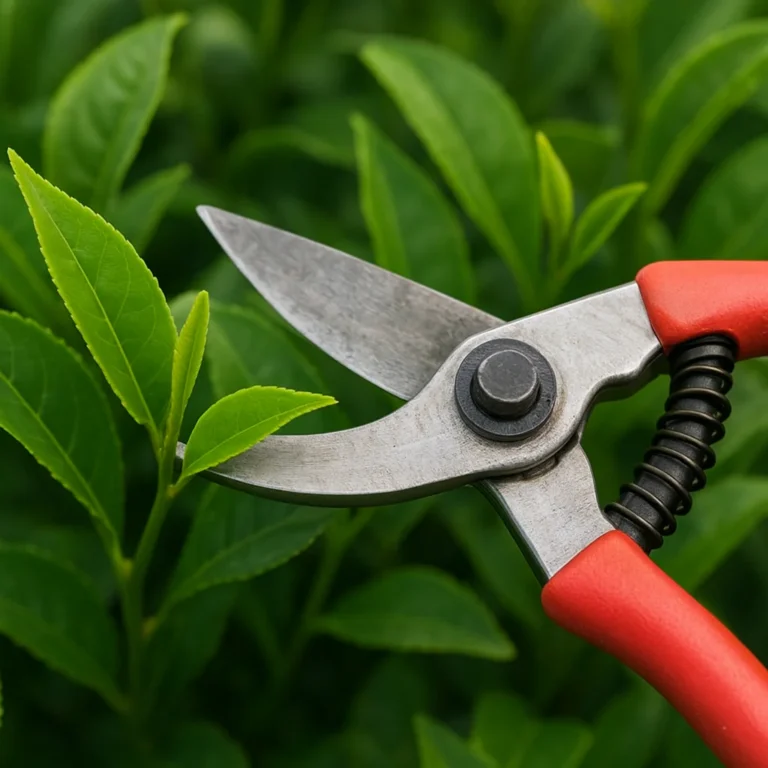
- Use clean, sharp tools: Clean cuts and sanitized pruners help reduce damage and disease risk.
Table of Contents
- ⚡ Quick Tips and Facts
- 🌱 Tea Plant Pruning: Why It Improves Yield and Leaf Quality
- 🍃 How Tea Bushes Grow and Why Training Matters
- 🧰 Essential Tools and Safe Pruning Setup
- Choosing Pruners, Loppers, and Shears
- Cleaning and Disinfecting Tools to Prevent Disease
- ✂️ Tea Plant Pruning Methods: Choosing the Right Cut
- 1. Formative Pruning for Young Tea Plants
- 2. Light Pruning for a Productive Plucking Surface
- 3. Medium Pruning to Renew Growth and Improve Access
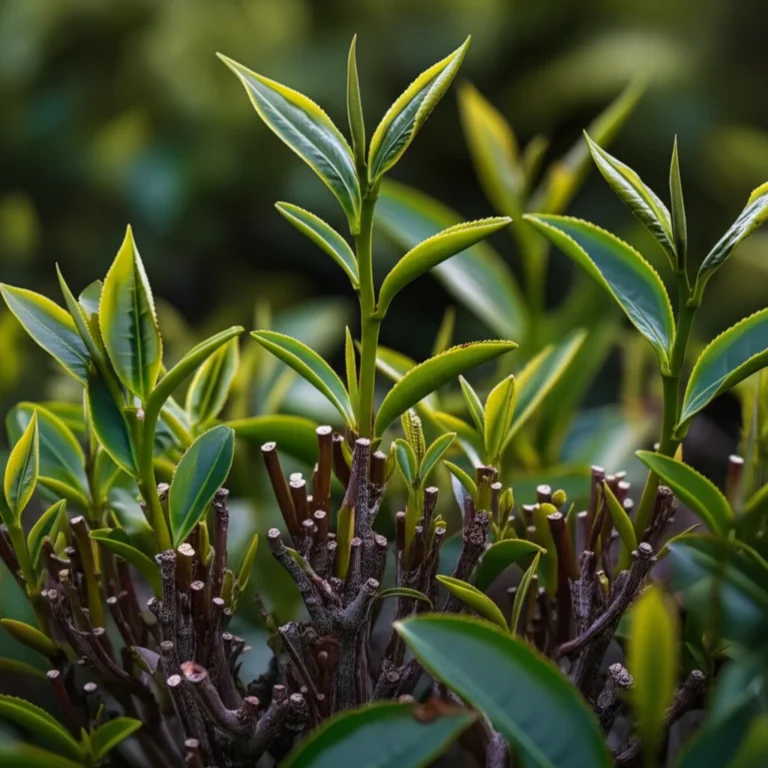
- 4. Hard Pruning for Overgrown or Declining Tea Bushes
- 5. Rejuvenation Pruning for Old Tea Plants
- 6. Skiffing: Maintaining Tea Bushes Between Pruning Cycles
- 📅 When to Prune Tea Plants: Timing, Seasons, and Growth Cycles
- How Climate, Frost, Rain, and Dormancy Affect Pruning
- How Often to Prune Tea Bushes
- Planning a Pruning Cycle for a Home Tea Garden
- 📐 Step-by-Step: How to Prune and Train a Tea Plant
- Setting the Frame and Establishing a Plucking Table
- Making Clean Cuts at the Right Height
- Training Branches for Airflow, Light, and Easy Harvesting
- Pruning Tea Plants in Pots and Small Spaces
- 📈 How Pruning Affects Tea Yield, Bud Growth, and Leaf Quality
- Balancing New Shots with Bush Strength
- Optimizing the Plucking Surface for Consistent Harvests
- Pruning for Different Tea Types and Harvest Goals
- 🌿 After-Pruning Care: Helping Tea Plants Recover
- Watering and Moisture Management
- Mulching Around Tea Bushes
- Fertilizing and Feeding After Pruning
- Protecting Fresh Growth from Sun, Frost, and Pests
- 🪴 Pruning Tea Plants by Age and Condition
- Newly Planted Tea Seedlings
- Mature, Healthy Tea Bushes
- Legy, Neglected, or Overgrown Tea Plants
- Yellowing, Weak, or Pest-Damaged Bushes
- ⚠️ Common Tea Pruning Mistakes and How to Avoid Them
- 🔎 Troubleshooting: Slow Regrowth and Poor Tea Yields
- 🌳 Long-Term Tea Bush Training and Pruning Plans
- ✅ Conclusion
- 🔗 Recommended Links
- ❓ FAQ
- Where should I cut a tea plant when pruning?
- Can I prune a tea plant in summer?
- How much can I cut off a tea bush at once?
- Should I prune a tea plant after harvesting?
- How do I keep a tea plant short and bushy?
- Will pruning make my tea plant produce more leaves?
- Can I prune an old or neglected tea plant back hard?
- 📚 Reference Links