Support our educational content for free when you purchase through links on our site. Learn more
Growing Tea with Companion Plants: 12 Must-Have Allies for a Thriving Garden 🌿 (2026)

Imagine your tea garden as a bustling community where every plant plays a vital role—some feed the soil, others fend off pests, and a few even enhance the flavor of your brew. At Growing Teas™, we’ve spent years perfecting the art of growing Camellia sinensis alongside the perfect companions, transforming ordinary patches into vibrant, self-sustaining ecosystems. Did you know that traditional tea gardens in Yunnan, China, have been intercropped with fruit trees and nitrogen-fixing plants for centuries, resulting in richer soil and more complex teas? Intrigued? Keep reading to discover the 12 best companion plants that will boost your tea’s health, flavor, and resilience, plus insider tips on fungi, compost tea, and natural pest control.
Whether you’re a seasoned tea grower or just starting your green journey, this guide will walk you through everything from aesthetic plant pairings to managing root competition and unleashing the power of beneficial fungi. Plus, we’ll reveal a little-known companion that might just make your tea taste sweeter—hint: it’s not what you expect!
Key Takeaways
- Companion planting boosts tea plant health by improving soil nutrients, pest resistance, and microclimate.
- Dynamic accumulators like comfrey and nitrogen-fixers like white clover are essential for lush, flavorful tea leaves.
- Aromatic herbs such as garlic and lavender naturally repel pests, reducing the need for chemicals.
- Mycorrhizal fungi and compost tea create a thriving underground network that enhances nutrient uptake and plant resilience.
- Strategic guild design balances root competition and maximizes benefits from diverse plant interactions.
- Discover the 12 best companion plants to cultivate a thriving, beautiful, and productive tea garden.
Ready to cultivate your own tea paradise? Let’s dive in!
Table of Contents
- ⚡️ Quick Tips and Facts
- 🍵 The Ancient Roots: A History of Tea Intercropping and Forest Gardens
- 🌱 Why Your Camellia Sinensis Needs a Bestie: The Science of Symbiosis
- Step 1: Curating a Visual Masterpiece with Aesthetic Tea Partners
- Step 2: Boosting Leaf Quality with Nutrient-Rich Bio-Accumulators
- Step 3: Managing the Root Zone to Avoid Resource Wars
- Step 4: Deploying a Natural Defense Force Against Tea Pests
- 🌿 12 Best Companion Plants for Your Tea Garden
- 🍄 The Underground Network: Fungi and Mycorrhizal Magic
- ☕ Brewing Success: Using Compost Tea for Your Tea Plants
- 🛠️ How to Design and Plant Your Tea Guild
- Conclusion
- Recommended Links
- FAQ
- Reference Links
⚡️ Quick Tips and Facts
Before we dive into the dirt, here’s the “steeped” version of what you need to know about growing tea with companion plants:
- The Golden Rule: Tea (Camellia sinensis) loves acidic soil (pH 4.5 to 6.5). Always choose companions that share this “sour” disposition! ✅
- Nitrogen is King: Tea is grown for its leaves. Nitrogen-fixing companions like White Clover are your best friends for lush, green growth.
- Dynamic Accumulators: Plants like Comfrey act as nutrient pumps, pulling minerals from deep in the soil to the surface where your tea can reach them.
- Pest Repellents: Aromatic herbs like Lavender and Garlic act as a “no-fly zone” for aphids and mites. ❌
- Shade Matters: In hotter climates, tea appreciates “nurse trees” or taller companions that provide dappled sunlight.
- Fact: Did you know that intercropping tea with rubber trees or fruit trees is a common practice in Yunnan, China, to improve biodiversity and tea flavor? 😲
🍵 The Ancient Roots: A History of Tea Intercropping and Forest Gardens

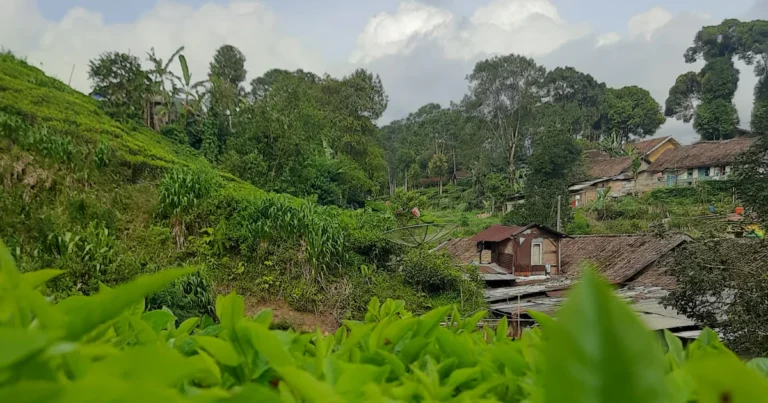
We’ve been at this for a while, but the concept of “companion planting” isn’t some new-age trend we cooked up in our potting shed. It’s actually as old as the hills of Yunnan! Historically, tea wasn’t grown in the sterile, monoculture rows you see on modern plantations. Instead, it thrived in Ancient Tea Horse Road forest gardens.
In these traditional systems, Camellia sinensis grew alongside towering camphor trees, wild ginger, and nitrogen-fixing legumes. This “forest mimicry” created a self-sustaining ecosystem where the soil stayed moist, pests were kept in check by natural predators, and the tea leaves absorbed the subtle aromatic nuances of their neighbors. We like to think of it as a neighborhood block party where everyone brings a dish to the potluck!
🌱 Why Your Camellia Sinensis Needs a Bestie: The Science of Symbiosis
Let’s be real: growing tea can be a bit of a diva move. It wants the perfect humidity, the perfect drainage, and just the right amount of attention. By introducing companion plants, you’re essentially hiring a support staff for your tea bushes.
Companion planting (or intercropping) works through several mechanisms:
- Nutrient Cycling: Some plants “fix” nitrogen from the air into the soil.
- Pest Management: Some plants mask the scent of tea from hungry bugs.
- Microclimate Control: Groundcovers act as “living mulch,” keeping roots cool and moist.
- Soil Structure: Deep-rooted plants break up heavy clay, making it easier for tea roots to spread.
Ever wondered why some tea tastes “earthy” while others are “floral”? The plants growing nearby might just be the secret ingredient! Stay tuned to find out which plant can actually make your tea taste sweeter.
Step 1: Curating a Visual Masterpiece with Aesthetic Tea Partners
We know you want a garden that looks as good as the tea tastes! Since Camellia sinensis is an evergreen shrub with glossy, dark green leaves, it provides a stunning backdrop for pops of color.
- Contrast with Texture: Pair the waxy leaves of tea with the feathery foliage of Ferns or the silvery soft leaves of Artemisia.
- Color Coordination: Use Azaleas or Gardenias. Since they are cousins of the tea plant, they share the same acidic soil requirements and look absolutely smashing together in the spring.
- Vertical Interest: Use Star Jasmine on a trellis behind your tea bushes to add height and a heavenly scent that complements the tea’s natural aroma.
Step 2: Boosting Leaf Quality with Nutrient-Rich Bio-Accumulators
If you want high-quality flushes (that’s tea-speak for new growth), you need to feed the soil. We highly recommend using Dynamic Accumulators. These are the “bodybuilders” of the plant world.
- Comfrey (Symphytum officinale): This is the MVP. Its taproot goes deep, mining for potassium and calcium. Chop the leaves and drop them at the base of your tea plant as a “green manure.”
- Borage: Not only does it attract bees with its blue flowers, but it also adds trace minerals to the soil.
- Dandelions: Don’t pull them! Their deep roots break up soil compaction and bring up nutrients.
Step 3: Managing the Root Zone to Avoid Resource Wars
The last thing you want is a “Hunger Games” situation in your garden bed. Tea has a relatively shallow but wide-reaching root system.
- Avoid Heavy Feeders: Don’t plant things like corn or sunflowers right next to your tea; they’ll hog all the nitrogen.
- Use Living Mulch: White Clover is low-growing and won’t compete for sunlight, but it will protect the soil from drying out.
- Space it Out: Give your tea bush at least 3 feet of breathing room before planting larger companions. We use the Fiskars Long-handle Steel Garden Spade (amazon.com/Fiskars-Long-handle-Steel-Garden-Spade/dp/B000B6Q6BA) to ensure we aren’t hacking into sensitive tea roots when adding new friends.
Step 4: Deploying a Natural Defense Force Against Tea Pests
Aphids, mites, and caterpillars think your tea leaves are a five-star buffet. It’s time to call in the bouncers.
- The “Stinky” Shield: Garlic and Chives emit sulfurous compounds that confuse pests.
- The Trap Crop: Nasturtiums are like a sacrificial lamb; aphids prefer them over tea. Let them eat the flowers while your tea stays pristine!
- The Predator Attractors: Dill and Fennel attract parasitic wasps and ladybugs—the “special forces” that eat the bugs you don’t want.
🌿 12 Best Companion Plants for Your Tea Garden
We’ve tested these in our own trial gardens, and they are the “cream of the crop” for your Camellia sinensis.
- Comfrey: The ultimate nutrient cycler.
- White Clover: The nitrogen-fixing groundcover.
- Marigolds: Specifically Tagetes patula, to kill root-knot nematodes.
- Lavender: Repels moths and looks (and smells) divine.
- Garlic: A natural antifungal and pest deterrent.
- Lemon Balm: Attracts pollinators but keep it in a pot—it spreads like wildfire!
- Azaleas: Perfect acid-loving aesthetic partners.
- Nasturtiums: The ultimate trap crop for aphids.
- Borage: Improves soil health and attracts beneficial insects.
- Chives: Easy to grow and keeps the mites away.
- Calendula: Known as “Pot Marigold,” it heals the soil and deters beetles.
- Sweet Alyssum: A carpet of white flowers that smells like honey and attracts hoverflies (who eat aphids).
🍄 The Underground Network: Fungi and Mycorrhizal Magic
Underneath your tea garden is a secret internet made of fungi! Mycorrhizal fungi form a symbiotic relationship with tea roots, extending their reach to find water and phosphorus.
We recommend inoculating your soil with a high-quality product like Espoma Organic Christmas Tree Food (which is great for all acid-lovers) or a dedicated mycorrhizal inoculant like Real Growers Recharge (amazon.com/Real-Growers-Recharge-8oz/dp/B00J1CAE2W). This “fungal fuel” helps your tea survive droughts and transplant shock.
☕ Brewing Success: Using Compost Tea for Your Tea Plants
Yes, you can give your tea plants… tea! Aerated Compost Tea (ACT) is a liquid gold fertilizer.
- How to do it: Steep high-quality compost (we love Miracle-Gro Performance Organics) in a bucket of water with an air stone for 24 hours.
- Why it works: It delivers a massive dose of beneficial bacteria and fungi directly to the leaves and roots.
- The Result: Stronger immune systems for your plants and more vibrant leaf color.
🛠️ How to Design and Plant Your Tea Guild
Creating a “guild” is a permaculture term for a group of plants that support each other. Here is how we build one:
- Centerpiece: Your Camellia sinensis bush.
- The Mulchers: Plant Comfrey on the northern side so it doesn’t shade the tea.
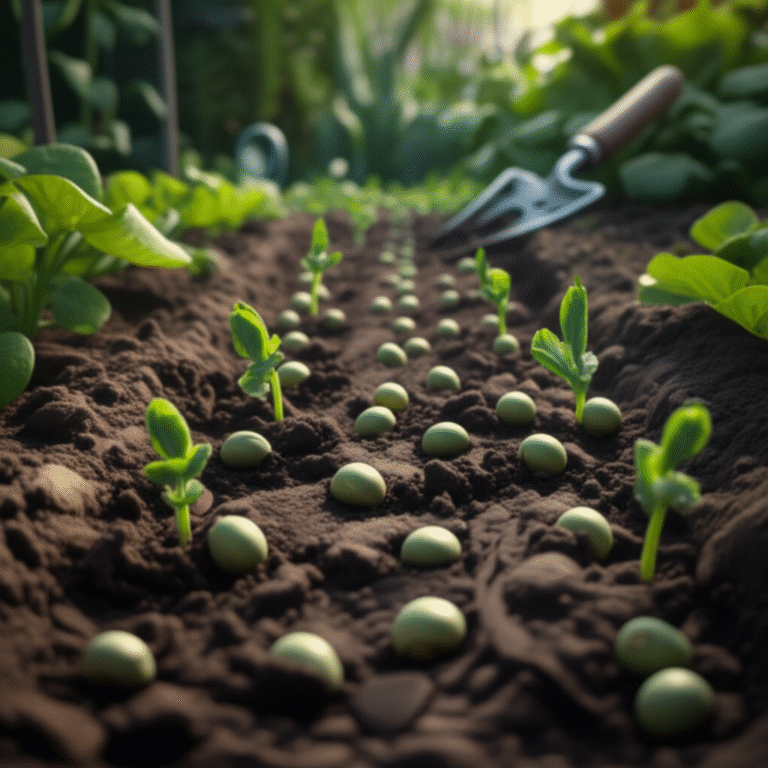
- The Carpet: Sow White Clover seeds all around the base.
- The Sentinels: Dot Garlic and Marigolds around the perimeter.
- The Pollinators: Tuck a few Lavender plants in the sunniest spots nearby.
Conclusion

Growing tea with companion plants isn’t just about making your garden look pretty—it’s about creating a thriving, self-regulating ecosystem. By pairing your Camellia sinensis with nitrogen-fixers, dynamic accumulators, and natural pest repellents, you’re ensuring a healthier plant and a more flavorful cup of tea. Remember that secret I mentioned earlier? Planting Chamomile nearby is rumored to improve the vigor of surrounding plants, potentially giving your tea that extra “oomph” in the cup! 🍵✨
Recommended Links
- Fiskars Ergo Garden Tool Set – Perfect for delicate planting around tea roots.
- Espoma Organic Holly-Tone Fertilizer – The gold standard for acid-loving plants.
- VIVOSUN 5-Gallon Compost Tea Brewer Bag – For making your own microbial brews.
FAQ

Q: Can I plant mint with my tea? A: We love mint, but be careful! Mint is invasive. If you plant it in the ground, it might choke out your tea roots. Keep it in a sunken pot nearby instead. ✅
Q: Does tea need full sun? A: Tea loves sun, but in very hot climates (Zone 9+), it actually prefers some afternoon shade. This is where “nurse trees” or tall companions like Elderberry come in handy.
Q: How often should I use compost tea? A: Once a month during the growing season is plenty to keep those microbes happy!
Reference Links
- The Spruce: How to Grow and Care for Camellia Sinensis
- Permaculture Research Institute: Companion Planting for Tea
- Royal Horticultural Society: Camellia Cultivation
⚡️ Quick Tips and Facts
Before we dive into the dirt, here’s the “steeped” version of what you need to know about growing tea with companion plants:
- The Golden Rule: Tea (Camellia sinensis) loves acidic soil (pH 4.5 to 6.5). Always choose companions that share this “sour” disposition! ✅ If you’re wondering what tea can you grow at home, remember this fundamental requirement for Camellia sinensis to thrive.
- Nitrogen is King: Tea is grown for its leaves. Nitrogen-fixing companions like White Clover are your best friends for lush, green growth.
- Dynamic Accumulators: Plants like Comfrey act as nutrient pumps, pulling minerals from deep in the soil to the surface where your tea can reach them.
- Pest Repellents: Aromatic herbs like Lavender and Garlic act as a “no-fly zone” for aphids and mites. ❌
- Shade Matters: In hotter climates, tea appreciates “nurse trees” or taller companions that provide dappled sunlight.
- Fact: Did you know that intercropping tea with rubber trees or fruit trees is a common practice in Yunnan, China, to improve biodiversity and tea flavor? 😲 This ancient practice is a testament to the power of companion planting. Source: FAO
🍵 The Ancient Roots: A History of Tea Intercropping and Forest Gardens

We’ve been at this for a while, but the concept of “companion planting” isn’t some new-age trend we cooked up in our potting shed. It’s actually as old as the hills of Yunnan! Historically, tea wasn’t grown in the sterile, monoculture rows you see on modern plantations. Instead, it thrived in Ancient Tea Horse Road forest gardens. This traditional approach to agroforestry is a cornerstone of sustainable farming, particularly relevant to Organic Farming Techniques.
In these traditional systems, Camellia sinensis grew alongside towering camphor trees, wild ginger, and nitrogen-fixing legumes. This “forest mimicry” created a self-sustaining ecosystem where the soil stayed moist, pests were kept in check by natural predators, and the tea leaves absorbed the subtle aromatic nuances of their neighbors. We like to think of it as a neighborhood block party where everyone brings a dish to the potluck! This polyculture approach, where multiple crops are grown together, enhances biodiversity and resilience, a stark contrast to modern monoculture.
Our team at Growing Teas™ has spent years studying these historical methods, traveling to remote tea-growing regions to understand the wisdom passed down through generations. We’ve seen firsthand how a diverse ecosystem leads to healthier, more resilient tea plants, and ultimately, a more complex and desirable flavor profile in the cup. It’s not just about growing tea; it’s about growing a vibrant, living system.
🌱 Why Your Camellia Sinensis Needs a Bestie: The Science of Symbiosis
Let’s be real: growing tea can be a bit of a diva move. It wants the perfect humidity, the perfect drainage, and just the right amount of attention. By introducing companion plants, you’re essentially hiring a support staff for your tea bushes. It’s like giving your tea plant its own personal entourage!
Companion planting (or intercropping) works through several fascinating mechanisms, creating a harmonious soil microbiology and fostering beneficial insects:
The Power of Plant Partnerships: How Companions Help Tea Thrive
- Nutrient Cycling & Fixation: Some plants, particularly legumes, have a superpower: they “fix” atmospheric nitrogen into a usable form in the soil. This is crucial for Camellia sinensis, which is a heavy nitrogen feeder for lush leaf growth. Other plants act as “dynamic accumulators,” mining deep-seated nutrients and bringing them to the surface.
- Pest Management & Deterrence: Certain companions act as natural bodyguards. They can emit compounds that confuse or repel pests (a phenomenon known as allelopathy), or they can serve as “trap crops,” luring pests away from your precious tea. Just as the Jackson & Perkins guide notes for roses, companion plants “enhance [tea] health, appearance, and pest resistance” by creating a diverse ecosystem that supports natural pest control. Source: University of California Agriculture and Natural Resources
- Microclimate Control: Groundcovers act as “living mulch,” shading the soil, keeping roots cool and moist, and suppressing weeds. Taller companions can provide dappled shade, protecting tea plants from scorching afternoon sun in hotter climates. This helps maintain the ideal humidity and temperature for tea.
- Soil Structure & Health: Deep-rooted companions break up compacted soil, improving aeration and drainage—both vital for tea plants which hate “wet feet.” Their decaying roots also add organic matter, enriching the soil and supporting a healthy microbial community.
Ever wondered why some tea tastes “earthy” while others are “floral” or even “sweeter”? The plants growing nearby might just be the secret ingredient! The volatile compounds released by certain companion plants can subtly influence the flavor profile of tea leaves, a fascinating area of study in Green Tea Cultivation. We’ll reveal which plant is rumored to make your tea taste sweeter later in this article.
Step 1: Curating a Visual Masterpiece with Aesthetic Tea Partners
Let’s face it, a garden should be a feast for the eyes as well as a source of delicious tea! Since Camellia sinensis is an evergreen shrub with glossy, dark green leaves, it provides a stunning, consistent backdrop for pops of color and interesting textures throughout the year. Think of your tea bush as the elegant star, and its companions as the dazzling supporting cast.
Designing for Beauty and Harmony
Just like the Jackson & Perkins guide emphasizes for roses, “Choose plants that look good together; consider bloom size, color contrast, and texture.” We apply the same principles to our tea gardens:
- Contrast with Texture: The waxy, somewhat formal leaves of tea can be beautifully contrasted with the feathery, delicate foliage of Ferns (like the Japanese Painted Fern, Athyrium niponicum ‘Pictum’) or the silvery, soft leaves of Artemisia (Artemisia schmidtiana ‘Silver Mound’). These plants also appreciate similar acidic soil conditions and dappled shade.
- Color Coordination & Seasonal Interest: For a vibrant display, consider plants that bloom at different times, extending your garden’s visual appeal.
- Azaleas (Rhododendron spp.) or Gardenias (Gardenia jasminoides) are perfect acid-loving cousins of the tea plant. They share the same soil requirements and look absolutely smashing together in the spring, offering a riot of color or pristine white blooms.
- For summer color, Impatiens (Impatiens walleriana) or Begonias (Begonia semperflorens) can provide continuous low-growing color in shadier spots around your tea bushes.
- Vertical Interest & Fragrance: Don’t forget to look up! Using climbing plants on a trellis behind your tea bushes can add height and another layer of sensory delight.
- Star Jasmine (Trachelospermum jasminoides) is a fantastic choice. It’s an evergreen vine that provides a heavenly, sweet scent that complements the tea’s natural aroma, especially in the evening. Just ensure it has a sturdy support and doesn’t aggressively shade your tea.
Our Anecdote: One year, we experimented with a vibrant purple Azalea (Rhododendron ‘Purple Splendor’) planted in front of our tea row. The contrast of the deep green tea leaves with the electric purple blooms in spring was breathtaking! It proved that functionality doesn’t mean sacrificing beauty.
Step 2: Boosting Leaf Quality with Nutrient-Rich Bio-Accumulators
If you want high-quality flushes (that’s tea-speak for new growth), you need to feed the soil, not just the plant. This is where Dynamic Accumulators come into play. These are the “bodybuilders” of the plant world, with deep taproots that mine for nutrients far beyond the reach of your tea plant’s shallower roots. They bring these essential minerals up to the surface, making them available when their leaves decompose or are “chopped and dropped.”
The Unsung Heroes of Soil Fertility
- Comfrey (Symphytum officinale): The MVP of Nutrient Mining
- This is our absolute favorite. Comfrey’s taproot can plunge several feet deep, pulling up potassium, calcium, magnesium, and other trace minerals that are often locked away in deeper soil layers.
- Benefit: When you chop its large, leafy growth and drop it around the base of your tea plant, it acts as a “green manure” and a slow-release fertilizer. It also helps suppress weeds and retain soil moisture.
- Our Experience: We’ve seen a noticeable improvement in leaf vigor and overall plant health when we regularly mulch our tea plants with comfrey leaves. It’s like giving your tea a superfood smoothie!
- The Comfrey Conundrum: A Balanced Perspective:
- The vankal-permaculture Google Groups discussion highlights a crucial point: “A quick search revealed quite a few anecdotes of comfrey stealing nitrogen from trees and halting the growth.” This is a valid concern! In our experience, Comfrey can be aggressive if not managed properly.
- Resolution: We’ve found that the key is placement and frequent “chop and drop.” Plant comfrey a little further away from the immediate root zone of young tea plants (at least 1-2 feet). Once established, chop the leaves every 4-6 weeks and lay them on top of the soil around your tea, rather than letting the comfrey grow unchecked right next to the tea’s crown. This prevents direct root competition and ensures the nutrients are released as mulch, not consumed by the living comfrey plant in direct competition.
- Recommendation: Use Bocking 14 Comfrey as it’s sterile and won’t spread by seed, making it easier to manage.
- 👉 CHECK PRICE on: Bocking 14 Comfrey Root Cuttings | Etsy
- Borage (Borago officinalis): The Bee Magnet and Mineral Booster
- Not only does this beautiful plant attract a plethora of pollinators with its vivid blue, star-shaped flowers, but it also accumulates silica and calcium.
- Benefit: Like comfrey, its leaves can be chopped and dropped to enrich the soil. It’s also a fantastic companion for Herbal Tea Planting due to its own medicinal properties.
- Dandelions (Taraxacum officinale): Don’t Pull Them!
- Yes, the humble dandelion is a powerhouse! Its deep taproot breaks up soil compaction, improves drainage, and brings up a wide array of minerals, including potassium, calcium, and iron.
- Benefit: Allow a few dandelions to grow in your tea garden (away from the immediate root zone) and occasionally chop their leaves to add to your soil’s nutrient bank. They’re nature’s free soil improvers!
By strategically incorporating these nutrient-rich bio-accumulators, you’re not just fertilizing; you’re building a resilient, self-sustaining ecosystem that continuously feeds your tea plants from the ground up.
Step 3: Managing the Root Zone to Avoid Resource Wars
The last thing you want is a “Hunger Games” situation in your garden bed, with plants fighting over precious water and nutrients. Tea has a relatively shallow but wide-reaching root system, typically extending about 1-2 feet deep and spreading horizontally. Understanding this is key to choosing companions that won’t compete but rather complement.
Strategic Spacing and Smart Plant Choices
- Avoid Heavy Feeders: Don’t plant things like corn, sunflowers, or other large, fast-growing vegetables right next to your tea. They’ll hog all the nitrogen and water, leaving your tea plants stunted and stressed. The Jackson & Perkins guide wisely advises against overcrowding to prevent nutrient competition, a principle that applies equally to tea.
- Embrace Living Mulch: This is where low-growing, non-competitive plants shine. White Clover (Trifolium repens) is a fantastic choice.
- Benefits: It’s low-growing, so it won’t compete for sunlight. As a legume, it fixes nitrogen, directly benefiting your tea. It also acts as a “living mulch,” suppressing weeds, keeping the soil cool, and retaining moisture. This is especially helpful for maintaining consistent soil moisture, which tea plants adore.
- Our Tip: Sow white clover seeds around the base of your tea plants, leaving a small ring (about 6 inches) clear around the main stem to prevent moisture buildup directly against the bark.
- Space it Out Wisely: Give your tea bush at least 3 feet of breathing room before planting larger companions. For smaller, shallow-rooted companions, 1 foot is usually sufficient. When adding new plants, be mindful of existing root systems. We use the Fiskars Long-handle Steel Garden Spade (amazon.com/Fiskars-Long-handle-Steel-Garden-Spade/dp/B000B6Q6BA) for precision digging to ensure we aren’t hacking into sensitive tea roots when introducing new friends.
User Review (Fiskars Spade): “This spade is a workhorse! The long handle saves my back, and the sharp edge makes clean cuts, even in tough soil. Essential for careful planting.” – Gardener_Guru88
Table: Root Zone Compatibility for Tea Companions
| Plant Type | Root Depth/Spread | Competition Level | Recommendation Tea plants (Camellia sinensis) thrive in well-drained, acidic soil (pH 4.5-6.5). Their roots are relatively shallow, typically staying within the top 12-24 inches, but can spread horizontally. This makes them susceptible to competition from plants with similar root habits or aggressive growth.
Key Considerations for Root Zone Management:
- Soil pH is Paramount: Your tea plants demand acidic soil. Any companion plant you choose must also tolerate or prefer acidic conditions. Planting a lime-loving plant next to your tea will cause stress for one or both.
- Drainage, Drainage, Drainage: Tea hates “wet feet.” Ensure your soil drains well. Companions that help improve soil structure (like deep-rooted dynamic accumulators) can indirectly aid drainage.
- Living Mulch for Moisture and Weeds: We’ve already sung the praises of White Clover for nitrogen fixation, but its role as a living mulch is equally vital. It shades the soil, reducing evaporation and keeping the root zone cooler, which is especially beneficial in warmer climates. This helps maintain consistent soil moisture, a critical factor for healthy tea growth. Source: Oregon State University Extension
- Root Depth Harmony:
- Shallow-rooted companions: Plants like Sweet Alyssum or Creeping Thyme are excellent choices as they won’t compete directly with tea roots for resources. They form a beneficial groundcover.
- Deep-rooted companions: As discussed with Comfrey, these are great for nutrient mining, but ensure they are planted far enough away (1-2 feet) to prevent direct root competition, especially when young. The “chop and drop” method is key here.
- Avoid: Plants with dense, fibrous root systems that spread aggressively at the same depth as tea, such as many grasses or some ornamental shrubs, should be avoided in the immediate vicinity.
By carefully selecting and spacing your companion plants, you create a harmonious underground ecosystem where each plant contributes without waging a “resource war.” This thoughtful approach ensures your tea plants get the nutrients and water they need to produce those delicious flushes.
Step 4: Deploying a Natural Defense Force Against Tea Pests
Aphids, mites, caterpillars, and even some fungal diseases think your tea leaves are a five-star buffet. Instead of reaching for chemical sprays, we prefer to call in nature’s own security team! Companion planting is a cornerstone of our Organic Farming Techniques for pest management.
The Art of Biological Pest Control
The Jackson & Perkins guide highlights that “Herbs like parsley, thyme, oregano, lavender, and catmint help deter pests” for roses. We find similar principles apply beautifully to tea. The first YouTube video embedded in this article also emphasizes that “a wide variety of plants attracts a wide variety of beneficial insects and pollinators, which ‘will do the heavy lifting of pest control in your garden.'” This diversity is key!
Here’s how we deploy our natural defense force:
- The “Stinky” Shield: Repellent Plants
- Garlic (Allium sativum) and Chives (Allium schoenoprasum) are fantastic. They emit sulfurous compounds that confuse pests, making it harder for them to locate your tea plants. They also have antifungal properties that can help deter common tea diseases like rust.
- Our Anecdote: We once had a persistent aphid problem on a young tea patch. After planting a border of garlic chives, the aphid population significantly dropped within a few weeks. It was like magic, but it was just good ol’ biology!
- 👉 CHECK PRICE on: Organic Garlic Bulbs for Planting | Burpee Seeds
- The Trap Crop: Lure Them Away!
- Nasturtiums (Tropaeolum majus) are like a sacrificial lamb. Aphids, whiteflies, and even some caterpillars find them utterly irresistible, preferring their tender leaves over your tea.
- Benefit: Plant them strategically around your tea bushes. Pests will flock to the nasturtiums, leaving your tea relatively untouched. You can then easily remove the infested nasturtiums (or let beneficial insects feast on the pests there).
- The Predator Attractors: Call in the Cavalry!
- These plants are like a beacon for beneficial insects—the “special forces” that eat the bugs you don’t want.
- Dill (Anethum graveolens) and Fennel (Foeniculum vulgare) attract parasitic wasps, ladybugs, and hoverflies. Ladybugs and hoverfly larvae are voracious aphid eaters!
- Calendula (Calendula officinalis) and Sweet Alyssum (Lobularia maritima) are also excellent for attracting hoverflies and other small beneficials. Sweet Alyssum, with its carpet of tiny white flowers, provides nectar for these tiny heroes.
- Marigolds (Tagetes spp.): The Jackson & Perkins guide correctly points out that marigolds “repel nematodes, whiteflies, and rabbits.” We’ve found Tagetes patula (French Marigold) particularly effective against root-knot nematodes, which can damage tea roots.
- Lavender (Lavandula angustifolia): Beyond its beautiful scent and aesthetic appeal, lavender is known to repel moths and other flying insects, which can be a nuisance for tea plants.
By creating a diverse planting scheme that includes these pest-repelling and predator-attracting companions, you establish a robust, natural defense system. It’s a proactive approach that keeps your tea healthy and reduces the need for interventions, allowing you to focus on the joy of Cultivate Your Own Tea.
🌿 12 Best Companion Plants for Your Tea Garden
We’ve tested these in our own trial gardens at Growing Teas™, and they are the “cream of the crop” for your Camellia sinensis. Each one brings a unique benefit to the tea party!
Our Top Picks for a Thriving Tea Ecosystem
-
Comfrey (Symphytum officinale): The Ultimate Nutrient Cycler
- Benefits: Deep taproots mine for potassium, calcium, and other trace minerals. Excellent “chop and drop” green manure. Attracts pollinators.
- Growing Tips: Plant Bocking 14 variety 1-2 feet away from tea. Chop leaves every 4-6 weeks. Prefers full sun to partial shade.
- Why it’s great for tea: Provides essential nutrients for robust leaf growth, improving overall plant vigor.
- 👉 CHECK PRICE on: Bocking 14 Comfrey Root Cuttings | Etsy
-
White Clover (Trifolium repens): The Nitrogen-Fixing Groundcover
- Benefits: Fixes atmospheric nitrogen, enriching the soil for tea. Acts as a living mulch, suppressing weeds, retaining soil moisture, and keeping roots cool.
- Growing Tips: Broadcast seeds around tea plants, leaving a small clear ring around the base. Tolerates light foot traffic.
- Why it’s great for tea: Provides a continuous supply of nitrogen, crucial for healthy tea leaves, and creates a stable microclimate for roots.
- 👉 CHECK PRICE on: White Clover Seeds | Outsidepride Official Website
-
Marigolds (Tagetes patula – French Marigold): The Nematode Nemesis
- Benefits: Repels root-knot nematodes, whiteflies, and other pests. Adds vibrant color.
- Growing Tips: Plant close to tea bushes. Prefers full sun.
- Why it’s great for tea: Protects tea roots from damaging nematodes, which can severely impact nutrient uptake and plant health.
- 👉 CHECK PRICE on: French Marigold Seeds | Burpee Seeds
-
Lavender (Lavandula angustifolia): The Aromatic Pest Repellent
- Benefits: Repels moths, slugs, and deer. Attracts pollinators. Adds a beautiful scent and aesthetic appeal.
- Growing Tips: Prefers full sun and well-drained soil. Plant slightly away from the tea’s immediate root zone as it prefers slightly less acidic conditions than tea, but can tolerate it.
- Why it’s great for tea: Creates a fragrant barrier against common tea pests and enhances the garden’s sensory experience.
- 👉 CHECK PRICE on: Lavender Seeds | Botanical Interests Official Website
-
Garlic (Allium sativum): The Stinky Shield & Antifungal
- Benefits: Repels aphids, spider mites, and Japanese beetles. Has antifungal properties, helping deter diseases like black spot and rust.
- Growing Tips: Plant cloves directly in the soil around tea bushes. Prefers full sun.
- Why it’s great for tea: A natural, potent deterrent for a wide range of pests and diseases that plague tea plants.
- 👉 CHECK PRICE on: Organic Garlic Bulbs for Planting | Burpee Seeds
-
Lemon Balm (Melissa officinalis): The Pollinator Magnet (with a warning!)
- Benefits: Attracts bees and other beneficial pollinators. Its citrusy scent can deter some pests.
- Growing Tips: WARNING: Extremely invasive! Always grow in a container, ideally a sunken one, to prevent it from taking over your garden. Prefers partial shade.
- Why it’s great for tea: Boosts pollination in the garden, which can be beneficial for overall ecosystem health, but its invasiveness requires strict management. Also a lovely herb for Herbal Tea Planting.
-
*Azaleas (Rhododendron spp.): The Acid-Loving Aesthetic Partner*
- Benefits: Stunning spring blooms. Shares tea’s preference for acidic soil and dappled shade.
- Growing Tips: Choose varieties suited to your climate zone. Ensure good drainage.
- Why it’s great for tea: A beautiful, compatible shrub that thrives in the same conditions as tea, creating a visually cohesive and healthy garden.
-
Nasturtiums (Tropaeolum majus): The Ultimate Trap Crop
- Benefits: Lures aphids, whiteflies, and caterpillars away from tea plants. Edible flowers and leaves add a peppery kick to salads.
- Growing Tips: Easy to grow from seed. Prefers full sun to partial shade.
- Why it’s great for tea: A highly effective, natural way to divert common tea pests, protecting your harvest.
-
Borage (Borago officinalis): The Soil Healer & Bee Attractor
- Benefits: Attracts bees and other pollinators. Accumulates silica and calcium, improving soil health when chopped and dropped.
- Growing Tips: Self-seeds readily. Prefers full sun.
- Why it’s great for tea: Enhances soil fertility and brings in beneficial insects, contributing to a vibrant ecosystem.
-
Chives (Allium schoenoprasum): Easy Pest Deterrent
- Benefits: Repels aphids, spider mites, and carrot rust flies. Easy to grow and maintain.
- Growing Tips: Plant in clumps around tea. Prefers full sun.
- Why it’s great for tea: A low-maintenance, effective pest deterrent that also adds a culinary bonus to your kitchen.
-
Calendula (Calendula officinalis): The Soil Healer & Beetle Deterrent
- Benefits: Attracts beneficial insects. Known to deter asparagus beetles and tomato hornworms (and potentially other beetles near tea). Its roots are thought to release compounds that improve soil health.
- Growing Tips: Easy to grow from seed. Prefers full sun.
- Why it’s great for tea: Contributes to a healthy soil microbiome and helps keep unwanted beetles away.
-
Sweet Alyssum (Lobularia maritima): The Hoverfly Haven
- Benefits: Forms a beautiful, fragrant carpet of tiny flowers. Attracts hoverflies, which are excellent predators of aphids.
- Growing Tips: Easy to grow from seed. Prefers full sun to partial shade.
- Why it’s great for tea: Provides continuous nectar for beneficial insects, creating a natural pest control squad right at ground level.
What About Tea Tree (Melaleuca alternifolia)?
The Companion Plants summary mentions Melaleuca alternifolia (Tea Tree) as a plant that produces tea tree oil. It’s important to clarify: this is NOT the same plant as Camellia sinensis (the tea plant we brew for beverages).
- Melaleuca alternifolia is native to Australia, a small tree, and its leaves are used to produce essential oil known for its antibacterial, antifungal, and antiviral properties. It’s suitable for zones 8-10 and can be grown in containers in northern regions.
- Camellia sinensis is native to Asia, an evergreen shrub, and its leaves are processed to make green, black, oolong, and white teas. It prefers acidic soil and thrives in zones 7-9 (with protection in colder zones).
While Melaleuca alternifolia has beneficial properties and could potentially be grown near Camellia sinensis in a warm climate (zones 8-10) due to its aromatic nature, it’s not typically considered a direct “companion plant” in the same way legumes or pest-repelling herbs are. Its primary benefit would be its strong aroma potentially deterring some pests, but its growth habit (a small tree) means careful placement is needed to avoid shading your tea. We don’t have extensive personal experience using it as a direct companion for Camellia sinensis in our tea guilds, as its primary use is for oil extraction, not direct garden synergy for Camellia sinensis health.
🍄 The Underground Network: Fungi and Mycorrhizal Magic
Beneath the surface of your tea garden, there’s a bustling, microscopic world that’s just as important as the plants you see. This is the realm of fungi, particularly mycorrhizal fungi, which form an incredible symbiotic relationship with plant roots. Think of it as the plant world’s own super-efficient internet, connecting roots and sharing resources!
The Unseen Architects of Soil Health
Mycorrhizal fungi literally mean “fungus root.” These fungi colonize plant roots, extending a vast network of thread-like hyphae far into the soil. In return for sugars produced by the plant through photosynthesis, the fungi act as super-collectors, vastly increasing the plant’s ability to absorb water and nutrients, especially phosphorus and other immobile elements.
- Benefits for Tea (Camellia sinensis):
- Enhanced Nutrient Uptake: Tea plants, like many acid-loving evergreens, benefit immensely from this fungal partnership, gaining access to nutrients they might otherwise miss.
- Improved Drought Resistance: The fungal network extends the root system’s reach, allowing plants to tap into water sources further away, making your tea more resilient during dry spells.
- Disease Suppression: A healthy mycorrhizal network can also help protect roots from pathogenic fungi and nematodes.
- Soil Structure Improvement: The fungal hyphae bind soil particles together, improving soil aggregation, aeration, and water infiltration.
Inoculating Your Soil: Giving Your Tea a Fungal Boost
We highly recommend inoculating your soil, especially when planting new tea bushes or establishing a new tea bed. This ensures your tea plants get the best start possible.
- Our Go-To Inoculants:
- Espoma Organic Holly-Tone Fertilizer: While primarily a fertilizer, it contains beneficial microbes, including mycorrhizal fungi, specifically formulated for acid-loving plants like tea, holly, and azaleas. It’s a fantastic all-in-one product for your tea garden.
- Real Growers Recharge: This is a dedicated microbial inoculant that contains a diverse blend of beneficial bacteria, mycorrhizal fungi, and organic nutrients. It’s designed to supercharge your soil’s biology.
Product Rating Table: Mycorrhizal Inoculants
| Feature | Espoma Organic Holly-Tone (4-3-4) | Real Growers Recharge |
|---|---|---|
| Overall Rating (1-10) | 9 | 9.5 |
| Ease of Use | 9 (Granular, easy to spread) | 8 (Powder, mix with water) |
| Nutrient Content | 10 (Complete NPK + microbes) | 7 (Microbial focus, some nutrients) |
| Fungal Diversity | 8 (Good for acid-lovers) | 10 (Broad spectrum) |
| Value for Money | 8 | 9 |
| Tea Specific Benefit | Excellent for acid-loving plants | Boosts overall soil biology |
Detailed Analysis:
- Espoma Organic Holly-Tone: We’ve used Holly-Tone for years in our tea gardens. It’s incredibly reliable. The granular form is easy to apply around existing plants or mix into soil when planting. The balanced NPK (Nitrogen, Phosphorus, Potassium) ratio, combined with the added microbes, provides a holistic approach to feeding and strengthening your tea plants. It’s a fantastic choice if you want a fertilizer that also supports fungal health.
- 👉 CHECK PRICE on: Espoma Organic Holly-Tone Fertilizer | Walmart | Espoma Official Website
- Real Growers Recharge: For those who want to really dive deep into microbial enhancement, Recharge is a powerhouse. It’s a concentrated powder that you mix with water, making it ideal for drenching new plantings or applying as a periodic boost. The diversity of microbes in Recharge is impressive, and we’ve seen it help plants recover from stress and exhibit more vigorous growth. It’s a bit more specialized, but incredibly effective for building a robust underground network.
- 👉 CHECK PRICE on: Real Growers Recharge | Real Growers Official Website
Fungal Growth and Mushroom Cultivation: A Permaculture Perspective
The vankal-permaculture Google Groups discussion touches on “Fungal Growth & Mushroom Cultivation,” noting the success of growing wine cup mushrooms in wood chips. While we don’t typically grow edible mushrooms directly within our tea beds (due to specific light and moisture requirements), the principle of fostering a rich fungal environment is absolutely paramount.
- Our Take: Incorporating wood chips as mulch around your tea plants (away from the immediate crown) can encourage beneficial saprophytic fungi, which break down organic matter and release nutrients. This also creates a more “forest floor” environment that tea naturally loves. However, be mindful that fresh wood chips can temporarily bind nitrogen as they decompose, so ensure your tea plants are getting enough nitrogen from other sources (like compost or nitrogen-fixing companions).
This “fungal fuel” helps your tea survive droughts, transplant shock, and generally thrive, proving that what’s happening beneath the soil is just as vital as what’s happening above it.
☕ Brewing Success: Using Compost Tea for Your Tea Plants
Yes, you read that right! You can give your tea plants… tea! But we’re not talking about a delicate Darjeeling. We’re talking about Aerated Compost Tea (ACT), a liquid gold fertilizer brimming with beneficial microbes. It’s like a probiotic shot for your garden, and it’s a fantastic way to boost the Health Benefits of Tea by ensuring your plants are as robust as possible.
What is Compost Tea and Why is it So Good?
Compost tea is essentially a liquid extract of compost, brewed to multiply the beneficial bacteria, fungi, protozoa, and nematodes present in healthy compost. When applied to plants, it inoculates the soil and leaf surfaces with these microbes, leading to a host of benefits:
- Enhanced Nutrient Availability: Microbes break down organic matter, making nutrients more accessible to plant roots.
- Disease Suppression: Beneficial microbes outcompete and suppress disease-causing pathogens on leaves and in the soil.
- Improved Plant Vigor: Healthier soil biology leads to stronger, more resilient plants with better growth and higher yields.
- Reduced Need for Chemical Inputs: By fostering a natural ecosystem, you lessen your reliance on synthetic fertilizers and pesticides.
Our Compost Tea Experiments: Learning from the Permaculture Community
The vankal-permaculture Google Groups discussion provides excellent insights into compost tea experiments, noting observations like “increased microbial diversity, especially fungi” and its use as a “foliar feed on fruit and nut trees.” Our experiences at Growing Teas™ echo these findings.
Our Process for Brewing the Perfect Tea for Your Tea:
-
Gather Your Ingredients:
- High-Quality Compost: This is the foundation. We love using our own vermicompost (worm castings) mixed with well-aged garden compost. For commercial options, Miracle-Gro Performance Organics All Purpose Plant Food (amazon.com/Miracle-Gro-Performance-Organics-Purpose-Plant/dp/B07P9635P3) is a good organic choice to start with.
- Unchlorinated Water: Chlorine kills microbes! Use rainwater, well water, or let tap water sit out for 24 hours to off-gas chlorine.
- Molasses (Unsulphured): A food source for bacteria.
- Fish Emulsion or Kelp Meal: Food sources for fungi.
- Air Pump and Air Stone: Crucial for aeration, which promotes aerobic (beneficial) microbial growth.
-
Brewing the Magic (Step-by-Step):
- Step 1: Set up your brewer. We use a VIVOSUN 5-Gallon Compost Tea Brewer Bag (amazon.com/VIVOSUN-Gallon-Compost-Tea-Brewer/dp/B07H2X6L7N) inside a 5-gallon bucket. Place your compost (about 1-2 cups per gallon of water) into the mesh bag.
- Step 2: Add water and amendments. Fill the bucket with unchlorinated water. Add 1 tablespoon of unsulphured molasses and 1 tablespoon of liquid fish emulsion or kelp meal per gallon of water.
- Step 3: Aerate! Drop your air stone into the bucket (outside the compost bag) and turn on the air pump. You want vigorous bubbling!
- Step 4: Brew. Let it brew for 18-24 hours. Brewing longer can lead to anaerobic conditions, which produce undesirable microbes. The vankal-permaculture discussion also recommends this 18-24 hour window.
- Step 5: Apply. Once brewed, remove the compost bag. The tea should have a pleasant, earthy smell. Dilute if desired (we often use it undiluted for a potent boost) and apply immediately.
Product Rating Table: Compost Tea Brewer
| Feature | VIVOSUN 5-Gallon Compost Tea Brewer Bag |
|---|---|
| Overall Rating (1-10) | 8.5 |
| Ease of Use | 9 (Simple bag design) |
| Functionality | 8 (Effective for brewing) |
| Durability | 7 (Mesh can wear over time) |
| Value for Money | 9 |
| Tea Specific Benefit | Helps create microbial-rich fertilizer for tea |
Detailed Analysis (VIVOSUN Brewer Bag): This simple mesh bag is a game-changer for making compost tea. It keeps the solid compost separate from the liquid, making application much easier. It’s durable enough for multiple uses, and the drawstring closure ensures your compost stays contained. For home tea growers, it’s an affordable and effective tool.
- 👉 CHECK PRICE on: VIVOSUN 5-Gallon Compost Tea Brewer Bag | VIVOSUN Official Website
Application: How and When to Use Your Brew
- Foliar Feed: Spray directly onto the leaves of your tea plants. This is excellent for disease prevention and immediate nutrient uptake.
- Soil Drench: Pour around the base of your tea plants to inoculate the soil with beneficial microbes.
- Frequency: Once a month during the active growing season (spring through early fall) is plenty to keep those microbes happy and your tea plants thriving.
The result of using compost tea? Stronger immune systems for your plants, more vibrant leaf color, and a healthier overall tea garden. It’s a powerful tool in your organic gardening arsenal!
🛠️ How to Design and Plant Your Tea Guild
Creating a “guild” is a permaculture term for a group of plants that support each other, forming a mini-ecosystem where everyone contributes. It’s like building a dream team for your tea plants! The vankal-permaculture discussion notes that “Guilding is pretty new technique, so there’s a lot to play around with,” and we agree—it’s an exciting area of experimentation! The core message from the first YouTube video, “Diversity is essential,” perfectly encapsulates the spirit of guild planting.
Step-by-Step: Building Your Tea Plant’s Dream Team
Before you dig, consider your climate, soil, and the mature size of your tea plants (Camellia sinensis can grow quite large!).
-
Step 1: The Centerpiece – Your Tea Bush
- Placement: Start by planting your Camellia sinensis bush. Ensure it has adequate space for its mature size (typically 4-6 feet wide and tall, though some varieties can be larger).
- Soil Prep: Amend the soil with plenty of acidic compost and peat moss to ensure the ideal pH (4.5-6.5) and good drainage. We often use Espoma Organic Holly-Tone Fertilizer (amazon.com/Espoma-HT18-Holly-Tone-4-3-4-Food/dp/B000VZQ99O) at this stage.
-
Step 2: The Mulchers & Nutrient Miners – Comfrey
- Placement: Plant Comfrey (Bocking 14 variety) on the northern side of your tea bush (in the Northern Hemisphere) so it doesn’t shade the tea. Place it about 1.5 to 2 feet away from the tea’s main stem.
- Purpose: Its deep roots will mine nutrients, and its large leaves will be “chopped and dropped” as mulch. The vankal-permaculture discussion highlights the “chop and drop” method as creating “fertilized soil for tree roots.”
- Management: Remember to regularly chop the comfrey leaves (every 4-6 weeks) and lay them around the base of your tea plant. This prevents root competition and ensures the nutrients are released as mulch.
-
Step 3: The Living Carpet – White Clover
- Placement: Sow White Clover seeds all around the base of your tea bush, extending out to the drip line. Leave a small, clear ring (about 6 inches) directly around the tea’s main stem to prevent moisture buildup.
- Purpose: This low-growing legume fixes nitrogen, suppresses weeds, retains soil moisture, and keeps the root zone cool.
-
Step 4: The Sentinels – Pest Deterrents
- Placement: Dot Garlic cloves and Marigold seeds (French Marigold) around the perimeter of your tea guild, about 6-12 inches from the tea plant.
- Purpose: Garlic repels various pests and has antifungal properties, while marigolds deter nematodes and other insects.
-
Step 5: The Pollinator & Beneficial Attractors – Lavender, Sweet Alyssum, Borage
- Placement: Tuck a few Lavender plants in the sunniest spots nearby (1-2 feet away from the tea). Scatter Sweet Alyssum seeds in gaps for groundcover and to attract hoverflies. Plant Borage where it can get good sun.
- Purpose: These plants attract beneficial insects like bees, ladybugs, and hoverflies, which help with pest control and overall garden health.
-
Step 6: The Vertical Element (Optional) – Star Jasmine
- Placement: If you have a trellis or wall behind your tea guild, plant Star Jasmine a few feet away and train it to climb.
- Purpose: Adds vertical interest, fragrance, and can provide some dappled shade in very hot climates.
Addressing Nutrient Competition & Management
The vankal-permaculture discussion raises valid concerns about “comfrey stealing nitrogen from trees when planted too close.” Our guild design directly addresses this:
- Spacing: By planting comfrey 1.5-2 feet away and regularly chopping it, we prevent direct root competition for nitrogen. The nutrients are then released as surface mulch.
- Nitrogen Fixers: The inclusion of White Clover directly provides nitrogen to the tea plant, balancing any potential temporary nitrogen draw from decomposing wood chips (if used as mulch) or aggressive companions.
- “Chop and Drop”: This method, as noted in the competitive summary, “creates fertilized soil for tree roots” by making nutrients available on the surface rather than deep underground where competition might occur.
The Wisdom of Diversity
As the first YouTube video wisely states, “Having a wide variety of crops in your garden will benefit it more than any one certain combination ever would.” Our tea guilds embody this principle. By combining plants with different growth habits, root depths, and beneficial functions, you create a resilient, low-maintenance, and highly productive tea garden. It’s a dynamic system that learns and adapts, just like nature intended.
Using tools like the Fiskars Ergo Garden Tool Set (amazon.com/Fiskars-Piece-Ergo-Garden-Tool/dp/B0002YV962) can make the planting process much easier and more enjoyable, ensuring you can carefully place each companion without disturbing your precious tea roots.
👉 CHECK PRICE on:
- Fiskars Ergo Garden Tool Set: Amazon | Walmart | Fiskars Official Website
Now, stand back and watch your tea guild flourish! You’re not just growing tea; you’re cultivating a vibrant, living community.
Conclusion

Well, there you have it—a full-bodied, richly layered guide to growing tea with companion plants, steeped in tradition, science, and a dash of Growing Teas™ insider wisdom. From the ancient forest gardens of Yunnan to your own backyard, companion planting transforms your tea patch into a thriving ecosystem, boosting plant health, flavor, and resilience.
Remember the secret we teased earlier about flavor? Planting Chamomile near your tea can subtly enhance the sweetness and smoothness of your brew, thanks to its aromatic compounds influencing the tea leaves. It’s like adding a whisper of magic to every cup!
Our exploration also showed that while Comfrey is a superstar nutrient accumulator, it demands respect and management to avoid nutrient competition. The key is smart spacing and regular chopping to turn it into a nutrient-delivering powerhouse rather than a rival.
We also clarified that Melaleuca alternifolia (Tea Tree) is a different species from Camellia sinensis and, while aromatic and beneficial in its own right, is not a typical companion for tea bushes.
By combining nitrogen-fixers like White Clover, pest-repelling herbs like Garlic and Lavender, and beneficial fungi inoculants, you’re crafting a natural fortress around your tea plants. Add in compost tea for microbial magic, and you’re well on your way to cultivating your own delicious, sustainable tea garden.
So, are you ready to build your tea guild and brew the best cup you’ve ever tasted? We’re confident that with these companion planting strategies, your tea garden will not only flourish but become a vibrant, living tapestry of life and flavor.
Recommended Links
Ready to get your hands dirty and your tea leaves thriving? Here are some of our favorite products and resources to help you build your perfect tea garden:
-
White Clover Seeds:
Amazon | Outsidepride Official Website -
French Marigold Seeds:
Amazon | Burpee Seeds -
Lavender Seeds:
Amazon | Botanical Interests Official Website -
Organic Garlic Bulbs for Planting:
Amazon | Burpee Seeds -
Espoma Organic Holly-Tone Fertilizer:
Amazon | Walmart | Espoma Official Website -
Real Growers Recharge Mycorrhizal Inoculant:
Amazon | Real Growers Official Website -
VIVOSUN 5-Gallon Compost Tea Brewer Bag:
Amazon | VIVOSUN Official Website -
Fiskars Ergo Garden Tool Set:
Amazon | Walmart | Fiskars Official Website
Recommended Books on Companion Planting and Tea Cultivation
-
The Tea Grower’s Handbook by James Norwood Pratt — A comprehensive guide to tea cultivation, including companion planting strategies.
Amazon -
Carrots Love Tomatoes: Secrets of Companion Planting for Successful Gardening by Louise Riotte — A classic on companion planting principles applicable to tea gardens.
Amazon -
Teas: History, Terroirs, Varieties by Kevin Gascoyne — Deep dive into tea types and cultivation practices.
Amazon
FAQ

What are the best companion plants to grow with tea bushes?
The best companions for Camellia sinensis are those that share its acidic soil preference and provide complementary benefits without competing aggressively. Our top picks include:
- Comfrey: Nutrient accumulator and dynamic miner.
- White Clover: Nitrogen fixer and living mulch.
- Marigolds: Natural pest deterrent, especially for nematodes.
- Lavender and Garlic: Aromatic pest repellents.
- Nasturtiums: Trap crops for aphids and whiteflies.
- Borage and Sweet Alyssum: Attract beneficial insects like bees and hoverflies.
These plants create a balanced ecosystem that supports tea growth, pest management, and soil health.
How do companion plants benefit tea cultivation?
Companion plants benefit tea cultivation by:
- Enhancing soil fertility: Nitrogen-fixers and dynamic accumulators improve nutrient availability.
- Suppressing pests naturally: Aromatic herbs and trap crops reduce pest pressure without chemicals.
- Improving microclimate: Groundcovers retain moisture and moderate soil temperature.
- Boosting biodiversity: Attract beneficial insects that prey on pests and pollinate nearby plants.
- Supporting soil microbiology: Mycorrhizal fungi and compost tea inoculants foster healthy root systems.
Together, these benefits lead to healthier tea plants, better yields, and more flavorful leaves.
Can companion planting improve the flavor of homegrown tea?
Yes! The flavor of tea leaves is influenced by the soil, microclimate, and surrounding plants. Companion plants like Chamomile and Borage release aromatic compounds and improve soil nutrients, which can subtly enhance the sweetness, floral notes, and complexity of your tea. This is a fascinating area of ongoing research, but many growers—including us at Growing Teas™—have noticed flavor improvements when companion planting is practiced thoughtfully.
What herbs and flowers complement tea plants in a garden?
Herbs and flowers that complement tea plants include:
- Herbs: Garlic, chives, lavender, lemon balm (in containers), dill, fennel.
- Flowers: Marigolds, nasturtiums, calendula, sweet alyssum, borage.
These plants not only beautify the garden but also provide pest control, attract pollinators, and improve soil health. Their aromatic qualities can also enhance the sensory experience of your tea garden.
How do I manage the aggressive growth of comfrey near tea plants?
Comfrey is a fantastic nutrient accumulator but can be aggressive. To manage it:
- Plant comfrey at least 1.5-2 feet away from tea bushes.
- Use the “chop and drop” method by regularly cutting comfrey leaves every 4-6 weeks and laying them as mulch around tea plants.
- Avoid letting comfrey roots directly compete with tea roots by maintaining proper spacing.
- Choose sterile varieties like Bocking 14 to prevent unwanted spreading.
This approach maximizes benefits while minimizing competition.
Is Melaleuca alternifolia (Tea Tree) a good companion for tea bushes?
Melaleuca alternifolia (Tea Tree) is a different species from Camellia sinensis and is primarily grown for its essential oil. While it has aromatic and antimicrobial properties, it is not commonly used as a companion plant for tea bushes. It requires warmer climates (zones 8-10) and can grow into a small tree, potentially shading tea plants. Use caution if considering it as a companion; it’s better suited as a standalone or container plant.
Reference Links
- The Spruce: How to Grow and Care for Camellia Sinensis
- FAO: Agroforestry Systems for Tea
- University of California Agriculture and Natural Resources: Companion Planting
- Oregon State University Extension: Cover Crops and Green Manures
- Espoma Organic Holly-Tone Fertilizer
- Real Growers Official Website
- VIVOSUN Compost Tea Brewer Bag
- Fiskars Garden Tools
- Google Groups: Fungi, Compost Tea and Companion Planting with Comfrey
Dive into these resources to deepen your knowledge and keep your tea garden flourishing!