Support our educational content for free when you purchase through links on our site. Learn more
✂️ Prune Tea Plants for More Healthy Leaves


How do I prune my tea plants to promote healthy growth and maximize leaf production? Prune selectively: remove dead, damaged, and crowded branches, then lightly tip healthy shoots to encourage branching while leaving plenty of foliage to fuel regrowth. For established plants, choose a healthy growing period with enough time for recovery before harsh weather; don’t hard-prune a young, stressed, or newly planted shrub.
We’ve seen eager growers give a tea bush a dramatic haircut, then wonder why it takes its sweet time producing new shoots. The trick is less “cut everything back” and more “shape with a purpose”—and the best cut depends on whether you’re guiding a young plant, maintaining a harvestable canopy, or renewing an overgrown bush.
Key Takeaways
- Prune for a reason: shape the plant, improve airflow, remove unhealthy growth, or make harvesting easier.
- Keep cuts conservative: healthy leaves help the tea plant recover and support new growth.
- Time pruning around plant health and local weather, not a rigid calendar date.
- Use clean, sharp tools and remove dead, broken, or diseased branches carefully.
- Treat pruning and harvesting differently: picking tender shoots doesn’t usually require cutting back woody branches.
Table of Contents
- ⚡️ Quick Tips and Facts
- 🌱 Tea Plant Pruning: How It Encourages Healthy Growth and More Leaves
- 🫖 How Pruning Works on Camellia sinensis
- 📅 When to Prune Tea Plants for Healthy Growth
- Best season for pruning by climate
- How often to prune mature tea bushes
- When not to prune
- ✂️ Pruning Tools, Preparation, and Plant Safety
- 🌿 1. Shape Young Tea Plants with Formative Pruning
- 🌳 2. Maintain a Plucking Table with Light Tipping
- 🔄 3. Rejuvenate Overgrown Tea Plants with Hard Pruning
- 🩹 4. Remove Dead, Damaged, or Diseased Branches
- 🪴 5. Prune Tea Plants in Pots and Small Gardens
- 🧭 Step-by-Step: How to Prune a Tea Plant
- Where to make each cut
- How much foliage to remove
- How to shape a productive tea bush
- 🍃 Pruning for Maximum Tea Leaf Production
- Balancing leaf harvest and plant recovery
- Plucking, tipping, and pruning: what’s the difference?
- Managing height and the plucking surface
- 💧 Tea Plant Care After Pruning
- Watering, mulch, and light
- Fertilizing after a prune
- Monitoring regrowth and pests
- 🗓️ A Seasonal Tea Plant Pruning Calendar
- ⚠️ Common Tea Pruning Mistakes to Avoid
- 🔍 Troubleshooting: Slow Regrowth, Sparse Leaves, and Other Problems
- ✅ Recommended Links
- ❓ FAQ
- Can I prune a tea plant while it is flowering?
- How far back can I cut an overgrown tea bush?
- Will pruning make my tea plant produce more leaves?
- Can I use pruned tea leaves to make tea?
- Why is my tea plant not growing back after pruning?
- 📚 Reference Links
⚡️ Quick Tips and Facts
- Prune tea plants (Camellia sinensis) to encourage branching, keep the bush manageable, remove unhealthy growth, and maintain a broad, reachable harvesting surface. Pruning supports leaf production, but it cannot make up for insufficient light, poor drainage, or a stressed root system.
- For a newly planted tea shrub, focus first on establishing healthy roots. Avoid severe cuts until the plant is growing strongly.
- For established bushes, make structural pruning after the main flush of growth and allow time for recovery before cold weather. The right season depends on your climate and the plant’s growth cycle, so use local conditions rather than a one-date-fits-all calendar.
- Use clean, sharp bypass pruners for small branches. Disinfect blades between plants, especially if you suspect disease; the University of Minnesota Extension explains how proper pruning cuts help shrubs recover.
- Remove dead, broken, crossing, or diseased branches promptly. For healthy growth, avoid stripping away so much foliage that the plant loses its ability to support new shoots.
- Keep the canopy open enough for light and airflow, but don’t turn your tea bush into a bare collection of sticks. A good prune is a haircut, not an identity crisis. 🌿
- Harvesting and pruning are related, but they’re not the same job. For picking tender shoots, see our guide to when and how to harvest tea leaves.
- Tea plants are evergreen shrubs, and their growth rate varies with climate, cultivar, light, water, soil, and age. The North Carolina Extension Gardener Plant Toolbox provides a useful botanical profile of Camellia sinensis.
| Pruning goal | What to do | What to avoid |
|---|---|---|
| Encourage bushier growth | Tip back selected healthy shoots | Cutting every shoot to the same severe level |
| Improve airflow | Remove crowded, crossing, or inward-growing branches | Hollowing out the canopy unnecessarily |
| Make harvesting easier | Maintain a broad, reachable shrub shape | Leting the plant become tall and legy |
| Restore an overgrown bush | Rejuvenate gradually, assessing regrowth | Hard-pruning a weak or drought-stressed plant |
| Protect plant health | Remove dead or diseased material with clean tools | Leaving raged cuts or spreading disease on dirty blades |
🌱 Tea Plant Pruning: How It Encourages Healthy Growth and More Leaves
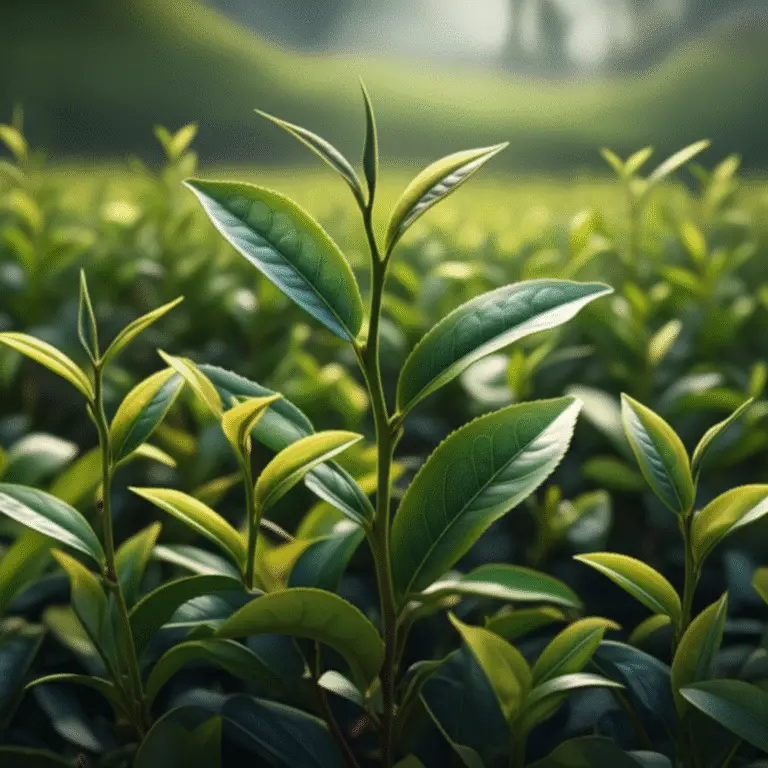
A tea plant can be both a handsome evergreen and a productive source of homegrown leaves—but left alone, it may grow taller and woodier than is comfortable to harvest. Thoughtful pruning helps keep the shrub compact and encourages branching, giving you more young shoots within reach.
At Growing Teas™, we treat pruning as one part of a bigger cultivation plan. The goal isn’t simply “cut more, get more leaves.” It’s to create a healthy framework that can produce new growth without exhausting the plant. Good light, suitable soil moisture, drainage, and sensible harvesting all matter too. Our Green Tea Cultivation resources cover the wider growing picture.
Here’s the question worth keeping in mind as you read: how much can you cut before you stop encouraging growth and start removing the very foliage that fuels it? The answer depends on what kind of pruning you’re doing—and how vigorous your plant is.
What pruning can—and cannot—do
Pruning can:
- Encourage lateral shoots by removing selected growing tips.
- Improve the shrub’s shape and make fresh growth easier to reach.
- Remove damaged or diseased branches.
- Reduce excessive crowding and improve air movement through the canopy.
- Help establish a productive framework on a young plant.
Pruning cannot:
- Guarantee a particular harvest size or flavor.
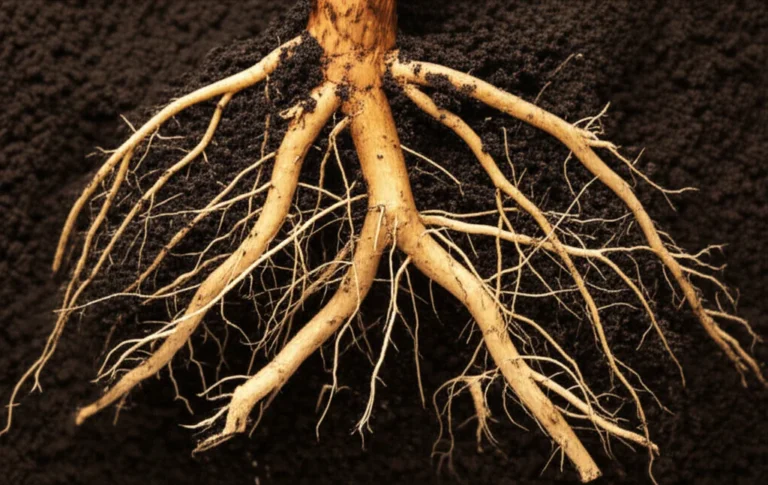
- Correct root rot, poor drainage, inadequate light, or chronic drought.
- Replace regular picking of tender shoots once the plant is established.
- Make a weak, recently transplanted tea plant recover faster.
For plant identification and basic growing characteristics, compare your plant with the Royal Horticultural Society’s Camellia sinensis profile and the NC State Extension Plant Toolbox. Cultivation recommendations can vary by region, so treat local extension guidance as especially useful for your own climate.
🫖 How Pruning Works on Camellia sinensis
Tea comes from Camellia sinensis, an evergreen shrub. Removing a shoot tip can prompt growth from buds farther down the stem, encouraging branching. Remove too much, however, and you leave the plant with fewer leaves to capture light and support regrowth.
That’s why we think of pruning as selective direction, not a contest to see who can produce the biggest pile of trimmings. A commercial tea field may be pruned to maintain a low, even “plucking table” for efficient harvest. In a home garden, the same principle is useful, but the ideal shape can be loser and more natural.
| Plant response | What it means for your tea bush | Grower’s takeaway |
|---|---|---|
| A tip is shortened | Buds below the cut may develop into side shoots | Tip selectively to encourage branching |
| Old or crowded wood is removed | Remaining branches have more space and light | Thin only where the canopy is congested |
| A large amount of foliage is removed | The plant has less leaf area available for growth | Reserve major cuts for vigorous, established plants |
| Healthy shoots are harvested regularly | New flushes can be picked as they develop | Harvesting and pruning can work together |
| A plant is cut during stress | Recovery may be slow or uneven | Stabilize care before shaping it |
The University of California Statewide Integrated Pest Management Program discusses camellia care and common health concerns. While ornamental camellias and tea plants are not identical in every growing situation, sound sanitation and attention to plant stress are useful across the genus.
Pruning versus plucking
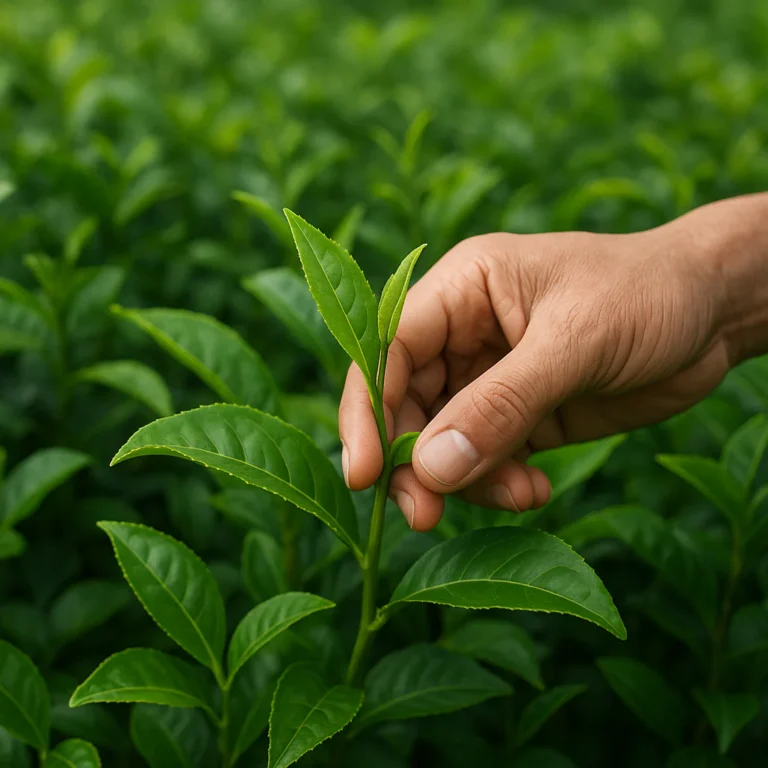
Plucking removes harvestable young shoots. Pruning shapes or renews the plant, often by cutting woody stems or selected branches. Tipping is a light trim of a shoot end, commonly used to encourage branching or maintain a desired outline.
| Practice | Main purpose | Typical material removed |
|---|---|---|
| Plucking | Harvest fresh tea shoots | Tender young leaves and buds |
| Tipping | Encourage branching or even out the surface | Soft shoot tips |
| Structural pruning | Shape the shrub and remove unwanted wood | Selected branches |
| Rejuvenation pruning | Restore an overgrown, established plant | Larger sections of old growth, in stages or a planned cut |
Confusing these jobs can lead to overpruning. If your plant is healthy and you want leaves for tea, regular selective harvesting may be more appropriate than repeatedly cutting back the whole bush.
📅 When to Prune Tea Plants for Healthy Growth
For most home growers, the best time for structural pruning is after a strong growth flush and early enough for the plant to recover before damaging cold weather. The exact window varies with location: a tea plant growing in a mild climate may keep growing for longer than one facing a short, cool season.
Before you cut, check three things:
- Is the plant actively healthy? Avoid major pruning if it is wilted, pest-damaged, recently transplanted, or recovering from drought.
- Is the weather suitable for regrowth? Fresh shoots need favorable growing conditions, not a sudden stretch of harsh cold or heat.
- What is your goal? Removing a broken branch is different from reshaping the entire shrub.
The RHS guide to pruning shrubs offers general guidance on shrub pruning, but tea-specific timing should be adapted to local conditions and the plant’s growth.
Best season for pruning by climate
Use this as a planning guide—not a universal calendar. Your local frost dates, elevation, rainfall, and growing season matter.
| Growing conditions | Practical approach |
|---|---|
| Mild, long growing season | Prune after a major flush, leaving a generous recovery period |
| Short, cool growing season | Avoid late-season hard pruning; prioritize light shaping and sanitation |
| Hot, dry summers | Avoid severe pruning during heat or drought stress |
| Frost-prone garden | Protect the plant from exposure and avoid stimulating tender late growth |
| Container-grown plant | Prune when healthy and actively growing, then protect the pot from extremes |
How often to prune mature tea bushes
There is no single schedule that suits every tea plant. A mature shrub in a small garden may need occasional shaping, while a plant regularly harvested for tender shoots may need very little additional trimming.
- Inspect the plant regularly during its growing season.
- Remove dead, damaged, or diseased growth when you notice it.
- Make light shaping cuts when the plant is vigorous.
- Schedule major structural work only when needed, not automatically every year.
- Give the plant time to recover between significant cuts.
If you’re picking regularly, your harvesting routine may already keep the bush branching. Our guide to harvesting tea leaves explains how to pick shoots without turning every harvest into a major pruning session.
When not to prune
Hold off on major pruning when your tea plant is:
- Severely wilted or recovering from drought.
- Newly planted and still establishing roots.
- Showing widespread yellowing, dieback, or signs of root trouble.
- Facing extreme heat, prolonged dry weather, or an imminent cold snap.
- Carrying tender new growth that could be damaged by harsh conditions.
If you suspect a disease or pest issue, identify the cause first. The UC IPM camellia guide can help you review common camellia problems and management principles.
✂️ Pruning Tools, Preparation, and Plant Safety
Sharp, clean tools make smoother cuts and reduce the chance of damaging stems. For most home tea plants, a pair of bypass pruners is enough for small branches. A pruning saw is useful only if you’re dealing with thicker established wood.
| Tool or supply | Useful for | What to look for |
|---|---|---|
| Bypass hand pruners | Small live stems | Sharp, clean blades that make a neat cut |
| Loppers | Thicker branches beyond hand-pruner capacity | A comfortable grip and a cut suited to branch size |
| Pruning saw | Older, larger woody branches | A clean, controlled cut without tearing bark |
| Rubbing alcohol or suitable disinfectant | Cleaning blades between plants or suspect cuts | Follow product label directions |
| Gloves | Protecting hands from rough branches | Good grip and comfortable fit |
Prepare your tools
- Remove soil and plant debris from the blades.
- Disinfect between plants and after cutting obviously diseased material. The University of Minnesota Extension’s pruning guide provides practical shrub-pruning advice.
- Check that the blades are sharp and the tool works smoothly.
- Keep tools clean and dry after use.
We prefer bypass pruners for live stems because they cut like scissors. Anvil-style pruners can crush softer tissue, so use them only where appropriate and make sure the cut is clean.
Tool examples from established brands
- Felco pruning tools are well-known among gardeners for repairable pruning equipment.
- ARS pruning tools offers professional-style horticultural cutting tools.
- Fiskars pruning tools are widely available for home gardening.
Choose a tool that fits your hand and the branch size. The best pruner is the one you can control safely—not the one with the most impressive product description.
🌿 1. Shape Young Tea Plants with Formative Pruning
A young tea plant needs time to establish. The aim of formative pruning is to encourage a sturdy, branched structure—not to force a small plant into a finished tea-bush shape in one afternoon.
How to approach young plants
- First, remove only dead, broken, or clearly damaged material.
- Let the plant establish and show healthy growth before making major shaping cuts.
- If the plant is vigorous and has several healthy shoots, tip selected stems lightly to encourage branching.
- Keep the future harvesting height in mind, but don’t sacrifice overall plant health to meet it too soon.
For newly planted shrubs, RHS guidance on planting and establishing shrubs is a helpful starting point for root establishment and aftercare.
A simple formative-pruning plan
| Stage | Focus | Avoid |
|---|---|---|
| Newly planted | Root establishment and steady moisture | Hard pruning simply to make it look tidy |
| Established young plant | Encouraging balanced side growth | Removing too much healthy leaf area |
| Developing shrub | Creating a broad, manageable framework | Allowing a single tall leader to dominate unchecked |
| Ready for light harvesting | Combining selective picking and minor shaping | Heavy harvests from a small or stressed plant |
We often tell home growers to watch the plant before reaching for the pruners. A tea shrub will show you where it is vigorous: healthy leaves, active buds, and balanced stems are green lights for careful shaping. Thin growth and repeated dieback are reasons to pause.
🌳 2. Maintain a Plucking Table with Light Tipping
Tea growers use a plucking table to describe the upper surface where shoots are harvested. In a garden, you don’t need a perfectly flat commercial hedge. A broad, gently rounded canopy is often easier to maintain and less likely to leave the plant looking bluntly clipped.
Light tipping for a productive canopy
- Look for long shoots extending beyond the plant’s natural outline.
- Shorten only selected tips, cutting just above a healthy leaf or bud.
- Step back and check the shape from several angles.
- Leave plenty of healthy foliage and avoid cutting every branch to the same line.
- Reassess growth after the plant responds before making additional cuts.
Light tipping is best used to guide growth, not as a substitute for harvesting. For tender shoots, use the picking approach described in our tea-leaf harvest guide.
Flat top or softly rounded shape?
| Shape | Advantages | Trade-offs |
|---|---|---|
| Broad, gently rounded canopy | Natural appearance, good access, easy to adjust | May not suit gardeners seeking a formal hedge |
| Level plucking surface | Convenient for repeated picking | Requires regular management |
| Tall, untrimed shrub | Attractive flowering and natural form | Upper shoots may be difficult to harvest |
| Narrow, dense hedge | Space-efficient | Interior can become crowded without occasional thinning |
The best shape is the one that suits your garden, climate, and reach. A harvestable tea plant doesn’t have to look like a miniature plantation.
🔄 3. Rejuvenate Overgrown Tea Plants with Hard Pruning
An overgrown tea plant may be tall, woody, and frustrating to pick. Rejuvenation can help restore a manageable shape, but a severe cut is a significant stress. Before making one, check whether the plant is healthy enough to recover.
First, assess the shrub
Look for:
- Healthy leaves on more than one part of the plant.
- Live buds or young growth on lower branches.
- A stable root zone and no persistent waterlogging.
- No widespread dieback or major pest infestation.
- A suitable growing period ahead for recovery.
If the plant is weak, begin with deadwood removal and light thinning. Rejuvenation pruning is not a cure for a sick plant.
Gradual renewal versus a single hard reset
| Approach | Best suited to | Advantages | Drawbacks |
|---|---|---|---|
| Gradual renewal | Older shrubs with some healthy lower growth | Less sudden loss of foliage; easier to monitor recovery | Takes longer to reshape |
| More substantial cutback | Vigorous, established plants with a clear recovery window | Can reset height more quickly | Greater stress and potential loss of growth |
| Sanitation-only pruning | Weak, newly planted, or stressed shrubs | Removes hazards while preserving healthy foliage | Does not solve excessive height by itself |
For most home gardens, gradual renewal is the lower-risk choice. Remove the worst old or crossing stems first, then assess the plant’s response before making more cuts. Follow local extension guidance for woody shrubs in your region, such as University of Minnesota Extension’s pruning recommendations.
A useful comparison: advice for other plants may not transfer neatly to tea. The supplied TikTok summary describes pruning basil that had become “legy,” but basil is an herbaceous plant, not an evergreen woody tea shrub. Its advice to remove tired growth is broadly familiar; its season and pruning pattern should not be treated as a Camellia sinensis prescription. Likewise, a rose-pruning post is about roses, not tea. Different plants, different rules.
🩹 4. Remove Dead, Damaged, or Diseased Branches
Sanitation pruning is the most straightforward kind of pruning—and often the most urgent. Remove dead or broken branches when practical, and deal with suspicious disease-affected material carefully.
What to remove
- Dead stems with no living buds or foliage.
- Broken branches with torn or splintered ends.
- Branches rubbing against one another.
- Stems growing inward and creating excessive congestion.
- Clearly diseased material, using clean tools and sensible disposal practices.
How to make a clean cut
- Identify the branch you want to remove.
- Find a healthy junction or appropriate point on the stem.
- Cut cleanly without leaving a long stub or tearing the bark.
- Disinfect your tool if you are moving from diseased material to healthy growth.
- Recheck the plant before making extra cuts.
Do not automatically seal ordinary pruning wounds with paint or sealant. For general woody-plant pruning technique, consult the University of Minnesota Extension guide. If you see recurring leaf spots, dieback, or unusual symptoms, the UC IPM camellia resource is a useful reference for identifying common issues.
🪴 5. Prune Tea Plants in Pots and Small Gardens
Container-grown tea plants can be shaped to fit a patio or small garden, but pruning won’t compensate for a cramped, unhealthy root system. A pot restricts root space and can dry out faster than garden soil, so assess watering and drainage before you blame the canopy.
Container-pruning priorities
- Keep the plant compact without removing excessive foliage.
- Remove dead or crossing stems to improve air movement.
- Avoid heavy pruning during heat, drought, or cold stress.
- Confirm that water drains freely from the container.
- Protect the pot and roots from temperature extremes appropriate to your climate.
For container growing more broadly, the RHS guide to growing shrubs in containers offers useful advice on pots, compost, and ongoing care. If your plant is struggling, review cultural conditions before pruning again.
Small-space shape options
| Situation | Practical shape |
|---|---|
| Balcony or patio pot | Compact, softly rounded shrub |
| Narrow path or small bed | Lightly maintained outline with occasional thinning |
| Bonsai-style interest | Specialist training, with careful attention to plant health |
| Frequent home harvesting | A low, reachable canopy that still retains healthy foliage |
A container plant may need more frequent light shaping, but that doesn’t mean it needs frequent hard pruning. We prefer small corrections over dramatic rescues—especially when the roots are sharing a pot with a summer’s worth of ambition.
🧭 Step-by-Step: How to Prune a Tea Plant
Use this sequence for a healthy, established tea shrub. If it’s young, weak, newly transplanted, or under stress, keep the session to essential sanitation and wait on major shaping.
Step 1: Decide what you want the cut to accomplish
Choose one main goal:
- Remove dead or damaged growth.
- Improve airflow.
- Reduce excessive height.
- Encourage a more branched shape.
- Maintain a comfortable harvesting surface.
Trying to do everything at once can lead to overcuting. Make a plan before you start.
Step 2: Inspect the whole plant
Look at the top, sides, and interior. Notice crowded branches, long shoots, gaps, and healthy new growth. If the plant is struggling throughout, address the cause before shaping it.
Step 3: Clean and check your tools
Use a sharp tool suited to the stem size. Clean it first, then disinfect it when disease is suspected or when moving between plants.
Step 4: Remove dead, broken, or diseased material
Take out the obvious problem branches first. This often makes the healthy framework easier to assess.
Step 5: Thin carefully
Remove selected crossing or inward-growing branches. Don’t strip the interior simply to make the plant look airy. Tea plants need leaves to grow; an open canopy is helpful only when it still supports healthy plant function.
Step 6: Shape the outline
Shorten selected long shoots to keep the plant within reach. Aim for a broad, accessible structure rather than an aggressively flat top.
Step 7: Step back before cutting more
Walk around the plant. Compare both sides and check how much foliage remains. If the bush already looks balanced, stop. There is no prize for using every blade in the tool shed.
Step 8: Give the plant sensible aftercare
Water according to the soil and weather, keep the root zone from becoming waterlogged, and wait to see how the plant responds before pruning again.
Where to make each cut
For a small shoot, make a clean cut just above a healthy bud or leaf junction, oriented to avoid leaving a long stub. For a branch being removed, cut at an appropriate junction rather than cutting into the branch collar or leaving a raged stump. General diagrams and technique are available through University of Minnesota Extension.
How much foliage to remove
There is no dependable universal percentage for every tea plant. A vigorous established shrub can tolerate more shaping than a young or stressed one, but conservative cuts are easier to correct than an overambitious prune.
Use these checks rather than a rigid number:
- Is the plant healthy and actively growing?
- Will it retain plenty of healthy leaves?
- Are you removing only the branches needed for your goal?
- Is there sufficient growing weather ahead for recovery?
- Have you paused to reassess after the first few cuts?
How to shape a productive tea bush
A useful home-garden target is a broad, well-branched, reachable shrub with enough space between major stems for airflow and access. Keep the lower framework healthy, avoid a dense tangle in the center, and leave enough foliage to support continued growth.
🍃 Pruning for Maximum Tea Leaf Production
More branching can create more opportunities for young shoots, but leaf production depends on the whole plant. A vigorous shrub with adequate light, water, and suitable soil is more likely to respond well than one being cut back while struggling.
Balancing leaf harvest and plant recovery
Treat harvesting as a recurring light removal of tender shoots, and reserve structural pruning for shaping or renewal. If you take a heavy harvest and perform a major prune at the same time, the plant may have fewer leaves and shoots available to recover.
| Goal | Recommended emphasis |
|---|---|
| More frequent home harvests | Pick selectively from a healthy, established shrub |
| A taller, more natural ornamental form | Minimal shaping and careful removal of damaged growth |
| Easier access to new shoots | Maintain a broad, reachable canopy |
| Recovery of an overgrown plant | Reduce gradually and allow regrowth between steps |
For harvest timing and picking technique, use our guide to when and how to harvest tea leaves. If you’re also growing other tea-related plants, browse Herbal Tea Planting for plants with different growth habits and pruning needs.
Plucking, tipping, and pruning: what’s the difference?
| Action | What you remove | How it supports the plant |
|---|---|---|
| Plucking | Tender shoots for harvest | Collects young growth while keeping the framework intact |
| Tipping | A small amount from shoot ends | Guides branching or keeps the outline manageable |
| Pruning | Selected stems or branches | Shapes, thins, or renews the shrub |
You don’t need to prune after every harvest. If regular picking is keeping the plant compact and healthy, structural cuts may be needed only occasionally.
Managing height and the plucking surface
Keep the plant at a height you can harvest without unsafe stretching or climbing. If the upper canopy is out of reach, lower the shrub gradually rather than making an abrupt cut that removes most of its foliage.
For commercial background on tea production and cultivation, see the Food and Agriculture Organization’s tea resources and the Tea Research Association of India. Large-scale field practices can provide useful context, but home gardens need adjustments for individual plants and local climate.
💧 Tea Plant Care After Pruning
After pruning, focus on steady care—not pampering the plant into a puddle. A healthy root zone and suitable growing conditions help the shrub respond to cuts.
Watering, mulch, and light
- Water when the root zone needs it, taking rainfall, soil, and container conditions into account.
- Keep drainage clear; consistently sogy soil can harm roots.
- Use mulch to help moderate soil moisture and temperature, keeping it away from direct contact with the stem base.
- Provide suitable light for your plant and local climate. Avoid suddenly exposing shaded growth to intense conditions.
The RHS Camellia sinensis profile and NC State Extension Plant Toolbox offer useful growing references. Conditions vary by site, so observe how your own plant responds.
Fertilizing after a prune
Don’t automatically add fertilizer to “force” regrowth. Fertilizer is not a substitute for healthy roots, good drainage, and appropriate light. If your soil or container mix needs nutrients, follow a product label and local soil-test guidance rather than applying a strong dose by guesswork.
Explore our Fertilizers for Tea Plants and Organic Farming Techniques resources for broader nutrient-management information. The University of Massachusetts Amherst Soil and Plant Nutrient Testing Laboratory explains why soil testing can help guide fertilizer decisions.
Monitoring regrowth and pests
Over the following weeks, watch for:
- New buds or shoots at healthy cut points.
- Wilting that persists despite suitable watering.
- Progressive dieback.
- Unusual leaf discoloration or spotting.
- Pest activity on fresh growth.
Some plants respond quickly; others take longer depending on season, temperature, and health. If symptoms continue, investigate growing conditions before making further cuts. The UC IPM camellia guide can help with common pest and disease concerns.
🗓️ A Seasonal Tea Plant Pruning Calendar
This calendar describes tasks by plant condition and season, not fixed dates. Tea-growing climates vary, so let local weather and active growth guide your decisions.
| Season or plant stage | Suggested task | Use caution when |
|---|---|---|
| Active growth | Inspect, harvest selectively, and tip only if needed | The plant is stressed by heat or drought |
| After a strong growth flush | Consider light shaping or structural pruning | Cold weather is approaching |
| Dry, hot weather | Prioritize appropriate watering and stress reduction | The plant is wilted or soil dries rapidly |
| Cold or frost-prone period | Avoid encouraging tender regrowth; protect the plant as appropriate | A hard cut would expose vulnerable stems |
| Any time | Remove broken or clearly dead material | Disease symptoms suggest tools need extra sanitation |
Record when you prune and how the plant responds. A small garden notebook can reveal patterns that memory tends to blur, especially when each flush looks “about three weeks ago, give or take a cup of tea.”
⚠️ Common Tea Pruning Mistakes to Avoid
- Cuting hard before the plant is established: young roots need time to support healthy growth.
- Removing too many healthy leaves: foliage helps fuel regrowth.
- Pruning on a calendar without checking plant condition: weather and plant vigor matter more than a universal date.
- Confusing basil or rose advice with tea advice: different species respond differently. The supplied basil summary describes a stressed herb, not an evergreen tea shrub; the supplied rose post concerns roses, not Camellia sinensis.
- Making multiple severe cuts in one session: start with the main goal, then reassess.
- Using dirty or dull tools: raged cuts and poor sanitation can complicate plant care.
- Fertilizing heavily to force shoots: excess fertilizer can create problems and won’t fix poor roots or drainage.
- Ignoring the plant after pruning: monitor regrowth, watering, and signs of stress.
A useful rule from our growers: if you’re unsure, remove less and observe more.
🔍 Troubleshooting: Slow Regrowth, Sparse Leaves, and Other Problems
Slow regrowth does not automatically mean you pruned incorrectly. The plant may be responding to season, temperature, transplant stress, low light, poor drainage, or root problems.
| Symptom | Possible explanation | What to check |
|---|---|---|
| Little new growth | Dormant or unfavorable growing conditions; recent stress | Season, temperature, light, and root-zone moisture |
| Wilt after pruning | Water stress, heat, root damage, or poor drainage | Soil moisture and whether water drains freely |
| Yellowing leaves | Multiple possible causes, including root or nutrient stress | Drainage, watering pattern, and overall growth |
| Dieback below cuts | Stems may be damaged or plant health may be poor | Whether cuts were clean and whether dieback is spreading |
| Sparse new shoots | Plant may be young, weak, or lacking suitable conditions | Root establishment, light, water, and harvest intensity |
If several parts of the plant are declining, pause pruning and investigate the growing environment. For camellia-related pest and disease identification, consult UC IPM. For region-specific advice, your local cooperative extension service is often the best source.
✅ Recommended Links
For pruning, harvest, and ongoing tea-plant care, these are useful starting points:
- Growing Teas™ Green Tea Cultivation
- Growing Teas™ Fertilizers for Tea Plants
- Growing Teas™ Organic Farming Techniques
- Growing Teas™ Herbal Tea Planting
- When and how should I harvest tea leaves?
- NC State Extension Plant Toolbox: Camellia sinensis
- Royal Horticultural Society: Camellia sinensis
- University of Minnesota Extension: Pruning trees and shrubs
❓ FAQ

When is the best time to prune tea plants for vigorous new growth?
Prune when the plant is healthy and has favorable growing conditions ahead—often after a strong flush, with enough time to recover before cold weather. Avoid major pruning during drought, intense heat, or when the plant is newly transplanted or declining. Since tea plants grow in different climates, use local weather and plant activity rather than copying a fixed calendar date.
Read more about “🌿 4 Tea Plant Types and When to Harvest Them”
How often should I prune a tea plant to increase leaf production?
There is no universal schedule. Inspect regularly, remove damaged material as needed, and use light shaping only when the plant’s size or density calls for it. If you harvest tender shoots consistently, that may keep the shrub compact without frequent structural pruning. Excessive cutting can reduce the foliage available to support new growth.
Read more about “What Tea Can You Grow at Home? 20+ Ideas 🌿”
How do I shape a tea bush for easier harvesting and better airflow?
Aim for a broad, reachable, well-branched shrub. Remove selected dead, crossing, or inward-growing stems, and shorten only the longest shoots that interfere with access or shape. Keep enough healthy foliage, and avoid turning the interior into a bare framework. A gently rounded canopy is often a practical home-garden compromise.
Can pruning an overgrown tea plant improve the quality of its leaves?
Pruning can improve access to young shoots and help maintain a healthy, manageable canopy, but it does not guarantee better flavor or leaf quality. Leaf quality also depends on cultivar, growing conditions, harvest timing, and processing. Rejuvenate an overgrown plant cautiously, and harvest tender shoots according to our tea-leaf harvesting guide.
Read more about “🌿 7 Tea Plant Pruning Techniques to Maximize Yield & Flavor (2026)”
Can I prune a tea plant after harvesting leaves?
Light shaping may be appropriate if the plant is healthy and growing well, but avoid combining a heavy harvest with a severe structural prune. The plant needs enough healthy foliage to continue growing. If your goal is simply to collect tender shoots, harvest them selectively rather than cutting back woody branches.
Read more about “How to Harvest and Process Tea at Home 🍃”
Why is my tea plant not producing new shoots after pruning?
Possible reasons include the season, cold or heat stress, inadequate light, drought, waterlogged roots, recent transplanting, or poor overall health. Check the plant’s growing conditions and wait for suitable growth weather before pruning again. If stems continue to die back or leaves show persistent symptoms, consult a local extension service or a reliable camellia-care reference such as UC IPM.
📚 Reference Links
- North Carolina Extension Gardener Plant Toolbox: Camellia sinensis
- Royal Horticultural Society: Camellia sinensis
- Royal Horticultural Society: Pruning shrubs
- University of Minnesota Extension: Pruning trees and shrubs
- University of California Statewide Integrated Pest Management Program: Camellias
- Food and Agriculture Organization: Tea
- Tea Research Association of India
- University of Massachusetts Amherst Soil and Plant Nutrient Testing Laboratory
- Growing Teas™: When and how should I harvest tea leaves?
- Facebook post: “For Southern roses in late summer, the goal is a moderate reset, not …” — rose advice is species-specific and should not be treated as tea-plant pruning guidance.