Support our educational content for free when you purchase through links on our site. Learn more
🌿 How to Keep Tea Plants Healthy and Thriving: The Ultimate 2026 Guide

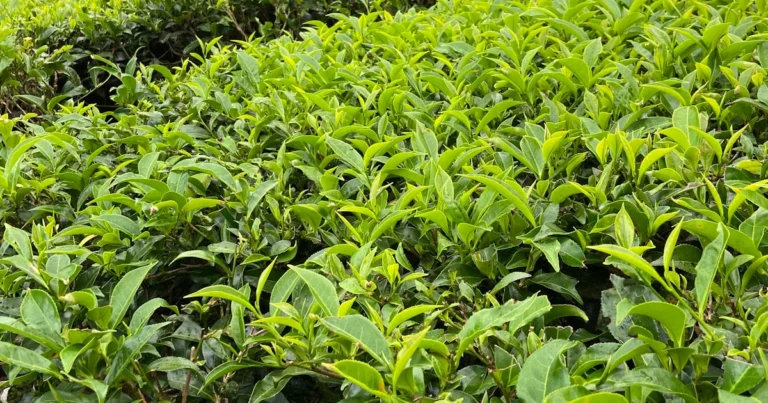
The secret to a flourishing tea garden isn’t magic; it’s acidic soil, perfect drainage, and consistent moisture. If you are wondering how to keep tea plants healthy and thriving, the answer lies in mimicking their native misty mountain habitats by avoiding alkaline earth and never letting their roots sit in water.
Most gardeners assume tea plants are tropical divas that will wither in a cold snap, but the Chinese variety (Camellia sinensis var. sinensis) is surprisingly tough, surviving temperatures as low as -10°F if treated right. We once watched a neglected bush in Oregon bounce back from a near-frozen state simply because we added a thick layer of pine bark mulch.
Tea plants have been cultivated for over 5,0 years, yet they remain one of the most misunderstood garden staples. Unlike your average herb, they demand a specific pH balance that can turn a lush green bush into a yellowing skeleton in a single season if ignored.
Key Takeaways
- Soil pH is non-negotiable: Maintain an acidic environment (pH 4.5–6.0) using peat moss or sulfur to prevent nutrient lockout.
- Drainage prevents death: Ensure excellent drainage to avoid fatal root rot; “wet feet” are the enemy of Camellia sinensis.
- Patience pays off: It takes 3 to 5 years for a plant to mature enough for a meaningful harvest, so don’t rush the process.
- Pruning drives yield: Regularly pinch the terminal buds to encourage bushy growth and maximize your leaf production.
Table of Contents
- ⚡️ Quick Tips and Facts
- 🌱 A Brief History of the Camellia sinensis Journey
- 🏡 Choosing the Perfect Spot: Light, Soil, and Climate Needs
- 🌿 Step-by-Step Guide to Planting Your Tea Bush
- 💧 Mastering Watering Routines and Humidity Levels
- 🍽️ Feding Your Plant: Fertilizers and Soil Amendments
- ✂️ Pruning Techniques for Lush Growth and High Yields
- 🐞 Identifying and Treating Common Pests and Diseases
- ❄️ Winterizing Your Tea Plants in Cold Climates
- 🌡️ Troubleshooting Yellow Leaves, Droping, and Stunted Growth
- 🍵 From Leaf to Cup: Harvesting and Processing Basics
- 🌳 Growing Tea in Containers vs. In-Ground Gardens
- 🧪 Soil pH Testing and Adjustment Strategies
- 🌬️ Creating the Ideal Microclimate for Tropical Tea Varieties
- 📚 Recommended Links
- ❓ FAQ: Your Burning Questions About Tea Plant Care
- 📖 Reference Links
⚡️ Quick Tips and Facts
Before we get our hands dirty, let’s hit the ground running with the absolute non-negotiables for keeping your Camellia sinensis happy. If you remember nothing else from this guide, remember these golden rules:
- Acid is Life: Tea plants are acid-loving (ericaceous) plants. If your soil pH is above 6.5, your plant will likely turn yellow and refuse to grow. We’re talking a sweet spot between 4.5 and 6.0.
- Drainage or Death: They hate “wet feet.” If water sits around the roots for more than a few hours, you’re looking at root rot faster than you can brew a cup of Earl Grey.
- Patience is a Virtue: A tea plant is a marathon runner, not a sprinter. It can take 3 to 5 years before you have enough leaves for a meaningful harvest. Don’t panic if it looks slow in year one!
- The “One Plant” Myth: While you can grow tea from a single cutting, having at least two plants ensures better pollination (if you want seeds) and a more robust microclimate. Plus, it’s just more fun to have a buddy.
Pro Tip: Wondering how often you should water your tea plants? It’s not a set schedule; it’s a feel test. Check out our deep dive on How often should I water my tea plants? to master the art of the finger test.
🌱 A Brief History of the Camellia sinensis Journey

You might think tea is just a beverage, but to us at Growing Teas™, it’s a living piece of history. The story of Camellia sinensis begins in the misty mountains of Southwest China and Northern Myanmar, where it has been growing wild for thousands of years.
Legend has it that in 2737 BC, the Chinese Emperor Shen Nung was boiling water under a tea tree when a few leaves drifted into his pot. The resulting brew was so refreshing and revitalizing that he declared it the elixir of life. Whether you believe the legend or not, the fact remains: this plant has survived empires rising and falling.
From the ancient trade routes of the Silk Road to the British colonial tea plantations of India and Sri Lanka, Camellia sinensis has adapted to diverse climates. Yet, despite being grown in the humid tropics of Assam or the cool highlands of Darjeling, the genetic core remains the same.
Did you know? All true teas—White, Green, Oolong, Black, and Pu-erh—come from the exact same plant species. The difference lies entirely in how the leaves are processed (oxidized) after harvest. You can grow one bush and harvest leaves for white tea one day and black tea the next, depending on how you treat them!
🏡 Choosing the Perfect Spot: Light, Soil, and Climate Needs
Finding the right home for your tea plant is like finding the perfect apartment; location, location, location!
Sunlight: The Goldilocks Zone
Tea plants are generally sun-lovers, but they have a temperamental side.
- Ideal: 4 to 6 hours of direct sunlight is usually sufficient.
- The Trap: In scorching hot climates (USDA Zone 9+), afternoon shade is crucial. Too much direct, blazing sun will scorch those tender new leaves, turning them brown and crispy.
- The Shade: In cooler climates (Zone 6 and below), they crave as much sun as possible to ripen before winter.
Soil: The Foundation of Flavor
This is where most beginners fail. You cannot just dig a hole in your backyard and drop a tea plant in.
- pH Level: As mentioned, you need acidic soil (pH 4.5–6.0). If your soil is neutral or alkaline, the plant cannot absorb nutrients, leading to chlorosis (yellow leaves).
- Texture: The soil must be lose, well-draining, and rich in organic matter. Heavy clay is a no-go unless amended heavily with pine bark or perlite.
Climate: Hardiness and Humidity
- Hardiness: Camellia sinensis var. sinensis (the Chinese variety) is hardy down to Zone 6 (approx. -10°F/-23°C) if established. The Assamica variety is more tropical and struggles below Zone 9.
- Humidity: They love humidity. If you live in a dry desert climate, you’ll need to mist regularly or use a pebble tray.
🌿 Step-by-Step Guide to Planting Your Tea Bush
Ready to get planting? Let’s walk through the process we use at the nursery.
1. Prepare the Soil Mix
If you are planting in the ground, dig a hole twice as wide as the root ball but no deeper. Mix the native soil with:
- 50% Peat Moss or Pine Bark Fines (to lower pH and improve drainage).
- 25% Perlite or Coarse Sand (for aeration).
- 25% Compost (for nutrients).
2. The Planting Process
- Gently remove the plant from its nursery pot. If the roots are circling tightly, tease them apart with your fingers.
- Place the plant in the hole. The top of the root ball should be level with the soil surface. Do not bury the stem!
- Backfill with your custom mix, firming it down gently to remove air pockets.
3. The First Water
Water deeply immediately after planting. This settles the soil and eliminates air gaps.
4. Mulch is Magic
Apply a 2-3 inch layer of pine straw, pine bark, or shredded leaves around the base. This keeps the roots cool, retains moisture, and slowly breaks down to add more acidity to the soil.
Note: If you are using a container, ensure it has drainage holes. We recommend a 5-gallon pot for a young plant, moving up to 10-15 gallons as it matures.
💧 Mastering Watering Routines and Humidity Levels
Watering tea plants is an art form. Too little, and they wilt; too much, and they drown.
The “Finger Test” Rule
Never water on a schedule. Instead, stick your finger 1-2 inches into the soil.
- If it feels dry: Water thoroughly until water runs out the bottom.
- If it feels damp: Wait another day.
Humidity Hacks
In dry climates, tea plants can suffer from low humidity, causing leaf tips to brown.
- Peble Trays: Place the pot on a tray filled with water and pebbles. As the water evaporates, it creates a humid microclimate.
- Grouping: Group your tea plant with other plants. They naturally transpire and create a humid pocket of air.
- Misting: A light mist in the morning is helpful, but avoid weting the leaves at night to prevent fungal issues.
🍽️ Feding Your Plant: Fertilizers and Soil Amendments
Tea plants are not heavy feeders, but they are picky eaters. They need specific nutrients to produce those flavorful polyphenols.
The Fertilizer Strategy
- Acid-Loving Formulas: Always use fertilizers labeled for Azaleas, Camellias, or Rhodendrons. These are formulated with the right pH and nutrient balance.
- Organic Options: We love Espoma Organic Camellia, Azalea & Rhodendron Plant Food. It releases nutrients slowly and improves soil structure.
- Frequency: Feed in early spring as new growth emerges and again in mid-summer. Stop fertilizing 6-8 weeks before your first expected frost to prevent tender new growth from being damaged by cold.
Soil Amendments
- Sulfur: If your soil pH creps up, elemental sulfur can lower it.
- Coffee Grounds: A light sprinkle of used coffee grounds can add a bit of acidity and nitrogen, but don’t overdo it or it can compact the soil.
✂️ Pruning Techniques for Lush Growth and High Yields
Pruning isn’t just about aesthetics; it’s about yield and health. A tea plant left unpruned will grow into a tall, legy shrub with leaves only at the very top.
The “Plucking” Method
In commercial tea gardens, they “pluck” the top two leaves and a bud. You can do the same!
- Encourage Bushiness: Pinch off the terminal bud (the very top leaf) to force the plant to branch out sideways. This creates a dense, harvestable bush.
- Shape: Aim for a shape that allows you to reach the center easily.
Structural Pruning
Once a year (late winter or early spring), remove any:
- Dead or damaged branches.
- Crossing branches that rub against each other.
- Water sprouts (vertical shoots) that grow straight up.
Curiosity Check: You might be wondering, “If I prune so much, will I ever get enough leaves for tea?” The answer lies in the timing. We’ll reveal the secret to harvesting without killing your plant in the “From Leaf to Cup” section later!
🐞 Identifying and Treating Common Pests and Diseases
Even the healthiest tea plant can have a bad day. Here are the usual suspects.
Pests
- Spider Mites: These tiny arachnids love hot, dry conditions. Look for fine webing and stipled (yellow speckled) leaves.
Treatment: Blast with water, use Nem Oil, or introduce predatory mites. - Scale Insects: Look like little brown bumps on stems and leaves. They suck sap and excrete sticky honeydew.
Treatment: Scrape them off with a fingernail or use horticultural oil. - Aphids: Clusters of green or black bugs on new growth.
Treatment: A strong spray of water usually does the trick. Ladybugs love them!
Diseases
- Root Rot: Caused by poor drainage. Leaves turn yellow and drop.
Prevention: Ensure excellent drainage and avoid overwatering. - Leaf Spot: Fungal spots on leaves.
Treatment: Remove infected leaves and improve air circulation. Avoid weting the foliage when watering.
❄️ Winterizing Your Tea Plants in Cold Climates
If you live in Zone 6 or colder, winter is the ultimate test for your tea plant.
In-Ground Protection
- Mulch Heavily: Pile on 6-8 inches of pine straw or leaves around the base.
- Burlap Wrap: For young plants, wrap the shrub in burlap to protect against drying winter winds.
- Anti-Desiccant: Spray the leaves with anti-transpirant (like Wilt Pruf) to prevent moisture loss.
Container Winterization
- Move Indors: If possible, bring the plant into a cool, bright room (50-60°F) or an unheated garage.
- Cold Frame: If you can’t bring it inside, place the pot in a cold frame or wrap it in bubble wrap and burlap.
- Watering: Reduce watering significantly in winter, but don’t let the roots freeze completely.
Real Talk: We’ve seen tea plants survive -15°F with heavy mulch, but it’s a gamble. If you have a prized plant, moving it indoors is the safest bet.
🌡️ Troubleshooting Yellow Leaves, Dropping, and Stunted Growth
Is your tea plant throwing a tantrum? Here’s the diagnosis.
| Symptom | Likely Cause | Solution |
|---|---|---|
| Yellow Leaves (Chlorosis) | High pH (Alkaline soil) or Iron Deficiency | Test soil pH. Apply Chelated Iron or lower pH with sulfur. |
| Brown Leaf Tips | Low humidity or underwatering | Increase humidity; check soil moisture. |
| Leaf Drop | Overwatering or Root Rot | Stop watering; check drainage; repot if necessary. |
| Stunted Growth | Lack of nutrients or poor light | Fertilize with acid-loving formula; move to brighter spot. |
| Wilting in Sun | Heat stress | Provide afternoon shade; water deeply. |
🍵 From Leaf to Cup: Harvesting and Processing Basics
So, you’ve waited years, pruned, and watered. Now, how do you get tea?
When to Harvest
- The “Flush”: Wait for the plant to produce a new “flush” of growth. Look for the top two leaves and the bud.
- Timing: Harvest in the morning after the dew has dried but before the sun gets too hot. This preserves the essential oils.
Processing Methods
- White Tea: Simply pluck the buds and young leaves. Let them wilt indoors for 24-48 hours, then dry them. Minimal oxidation.
- Green Tea: Pluck leaves, steam or pan-fry immediately to stop oxidation, then roll and dry.
- Black Tea: Pluck leaves, wilt, roll to bruise them, let them oxidize (turn brown) for several hours, then dry.
The Secret: The flavor profile changes dramatically based on how you process the leaves. A single bush can yield a delicate white tea in spring and a robust black tea in summer!
🌳 Growing Tea in Containers vs. In-Ground Gardens
Which method is right for you?
In-Ground
- Pros: Less watering, natural temperature regulation, unlimited root space, higher yields.
- Cons: Harder to move, soil pH must be perfect, susceptible to local pests.
- Best For: Warm climates (Zone 7+) with acidic soil.
Containers
- Pros: Control over soil mix, easy to move indoors for winter, perfect for small spaces/balconies.
- Cons: Requires frequent watering, needs repoting every 2-3 years, dries out faster.
- Best For: Cold climates (Zone 6 and below), renters, or those with alkaline soil.
Brand Spotlight: For containers, we recommend The Grower’s Choice pots or Smart Pots (fabric pots) which promote air pruning of roots, preventing them from circling.
🧪 Soil pH Testing and Adjustment Strategies
You can’t guess pH; you must measure it.
Testing
- Home Test Kits: Brands like Luster Leaf or Humboldt offer simple color-change kits.
- Digital Meters: Devices like the Apera Instruments pH meter provide instant readings.
- Lab Test: For the most accurate results, send a sample to your local Coperative Extension Service.
Adjusting pH
- Lowering pH (Making it more acidic):
- Add Elemental Sulfur (slow acting, long term).
- Use Aluminum Sulfate (fast acting, but use with caution).
- Incorporate Pine Bark Fines or Peat Moss into the soil.
- Raising pH (Making it more alkaline):
- Add Lime (usually not needed for tea plants, but good to know).
🌬️ Creating the Ideal Microclimate for Tropical Tea Varieties
If you are growing the Camellia sinensis var. assamica (Assam tea), you need to mimic the tropics.
- Wind Protection: These plants hate strong winds. Plant them near a fence or wall.
- Shade Cloth: In hot summers, use a 30-40% shade cloth to filter the light.
- Misting Systems: For serious growers, a simple misting system can keep humidity above 60%.
Video Insight: In the featured video above, the presenter shares a fascinating observation about spider season in September. They noted that while spiders can be a nuisance, they are actually beneficial predators that keep pest populations (like aphids) in check. The video also highlights the importance of slow-release fertilizer for potted plants, noting that container-grown tea plants are more nutrient-dependent than those in the ground.
Conclusion

Growing your own tea is a journey of patience, observation, and a little bit of magic. From the moment you plant that tiny cutting to the day you sip your first cup of homegrown white tea, you are connecting with a tradition that spans millennia.
Remember, the key to a thriving tea plant is acidic soil, excellent drainage, and consistent moisture. Don’t be afraid to experiment with pruning and processing methods to find the flavor profile you love. Whether you are growing in a 5-gallon pot on your balcony or a row of bushes in your backyard, the reward is worth the wait.
Our Top Recommendation: Start with a Camellia sinensis var. sinensis if you are in a cooler climate, and always test your soil pH before planting. If you’re unsure about your soil, don’t guess—test it.
Final Thought: We started this article asking if you could grow tea in a cold climate. The answer is a resounding yes, provided you respect the plant’s need for protection and the right soil conditions. Now, go forth and grow your own elixir!
Recommended Links
Ready to get started? Here are the tools and plants we trust:
- Tea Plants:
Camellia sinensis (Chinese Variety): Amazon Search | Growing Teas™ Shop
Camellia sinensis var. assamica: Amazon Search - Soil & Amendments:
Espoma Organic Camellia, Azalea & Rhodendron Plant Food: Amazon Search
Pine Bark Fines (Mulch): Amazon Search
Elemental Sulfur (for pH adjustment): Amazon Search - Tools:
Digital pH Meter: Amazon Search
Pruning Shears: Amazon Search - Books:
“The Tea Garden: A Guide to Growing and Harvesting Your Own Tea”: Amazon Search
FAQ: Your Burning Questions About Tea Plant Care

What is the best soil pH for growing healthy tea plants?
The ideal pH range for Camellia sinensis is 4.5 to 6.0. This acidic environment is crucial for the plant to absorb essential nutrients like iron and manganese. If the pH rises above 6.5, the plant will struggle to uptake nutrients, leading to yellowing leaves (chlorosis) and stunted growth. We recommend testing your soil annually and amending with sulfur or pine bark if necessary.
Read more about “💧 How Often to Water & Feed Tea Plants: The 2026 Guide”
How often should I water my tea bushes to prevent root rot?
There is no fixed schedule; it depends on your climate, soil, and container size. The golden rule is the finger test: water only when the top 1-2 inches of soil feel dry. Overwatering is the leading cause of root rot. Ensure your soil is well-draining and your pot has drainage holes. In hot, dry weather, you may need to water daily; in cool, humid weather, once a week might suffice.
Read more about “🌱 Tea Plant Propagation Success Rate: 7 Secrets to 90% Wins (2026)”
Can tea plants survive winter temperatures in my zone?
It depends on the variety. Camellia sinensis var. sinensis (Chinese variety) is generally hardy to USDA Zone 6 (-10°F to -5°F) if established and mulched. The assamica variety is tropical and will die in freezing temperatures. If you live in a cold zone, growing in containers and moving them indoors or to a cold frame during winter is the safest strategy.
Read more about “12 Must-Know Secrets to Growing Tea Plants for Your Backyard Garden 🍃 (2026)”
What are the signs of nutrient deficiency in Camellia sinensis?
- Nitrogen Deficiency: Pale green or yellowing older leaves, slow growth.
- Iron Deficiency: Yellowing of new leaves with green veins (interveinal chlorosis). This is often caused by high soil pH.
- Magnesium Deficiency: Yellowing between veins on older leaves.
- Potassium Deficiency: Brown, scorched leaf edges.
Using a fertilizer specifically formulated for acid-loving plants usually covers these bases.
Read more about “🌱 13 Essential Nutrients for Perfect Tea Soil (2026)”
Can I grow tea plants from seeds?
Yes, but it’s a slow process. Seeds can take 2-4 weeks to germinate and may not be true to the parent plant’s characteristics. Most home growers prefer cutings or buying established plants to ensure the specific variety (sinensis vs. assamica) and faster growth.
Read more about “🌿 25 Best Tea Varieties to Grow for Flavor & Resilience (2026)”
How do I know when my tea leaves are ready to harvest?
Look for the “two leaves and a bud” flush. The leaves should be tender, bright green, and just beginning to unfurl. Avoid harvesting old, tough, dark green leaves as they will be bitter. The best time to harvest is in the morning after the dew has dried.
Read more about “🌱 30+ Best Tea Plants to Grow at Home for Brewing (2026)”
Reference Links
- University of Florida IFAS Extension: Growing Tea in Florida – Detailed guide on soil and climate requirements.
- Royal Horticultural Society (RHS): Camellia sinensis Care – Expert advice on pruning and pests.
- USDA Plant Hardiness Zone Map: Find Your Zone – Determine if your climate is suitable for tea.
- Tea Association of the USA: Tea Facts – Information on the history and processing of tea.
- Bonie Plants: Chamomile Care – General herb care principles applicable to tea herbs.
- Farm to Jar: 8 Best Herbs for a Beginners Herbal Tea Garden – A great resource for companion planting and herbal tea blends.