Support our educational content for free when you purchase through links on our site. Learn more
🌡️ Tea Plant Perfection: The Ideal Temp & Humidity (2026)

The secret to lush, flavorful tea leaves lies in maintaining a daytime temperature of 65°F–85°F (18°C–29°C) paired with a 60%–80% humidity level. If you’ve ever wondered what are the ideal temperature and humidity conditions for tea plant growth?, the answer is a delicate balance that mimics the misty, cool nights of ancient mountain ranges.
Many home growers assume tea plants are tough survivors, but our team at Growing Teas™ has seen them wilt in dry, stagnant air just as fast as they thrive in a controlled microclimate. Did you know that a mere 10°F drop in nighttime temperature can significantly boost the L-theanine content in your leaves, turning a bitter brew into a smooth, umami-rich experience?
It’s not just about keeping the plant alive; it’s about tricking it into producing the complex flavors you crave. Whether you are cultivating in a sunny backyard or a high-tech grow tent, getting these two variables right is the difference between a sad, yellowing bush and a harvest-worthy tea garden.
Key Takeaways
- Temperature Sweet Spot: Aim for 65°F–85°F (18°C–29°C) during the day and ensure a 10°F–15°F drop at night to maximize flavor compounds.
- Humidity is Critical: Maintain 60%–80% relative humidity to prevent leaf scorch and support healthy transpiration.
- Light Balance: Provide dappled sunlight or partial shade to protect delicate leaves from scorching while encouraging growth.
- Soil Matters: Always use acidic, well-draining soil (pH 4.5–6.0) to prevent root rot and nutrient lockout.
- Monitor Constantly: Use a digital hygrometer/thermometer to track fluctuations and adjust your environment accordingly.
Table of Contents
- ⚡️ Quick Tips and Facts
- 🌱 A Brief History of Tea: From Ancient Mountains to Your Backyard
- 🌡️ The Goldilocks Zone: Pinpointing Ideal Temperature Ranges for Camellia sinensis
- 💧 Humidity Highs and Lows: Why Moisture is the Secret Sauce
- 🌧️ Rainfall Patterns and Irrigation: Keeping the Roots Happy
- ☀️ Light Intensity and Shade Management: Finding the Perfect Balance
- 🌍 Altitude and Microclimates: How Elevation Changes the Game
- 🌿 Soil Composition and Drainage: The Foundation of Flavor
- 🧪 Nutrient Needs: Feding Your Tea Plants for Maximum Yield
- 🏠 Indoor vs. Outdoor Growing: Mastering the Environment
- 🛠️ Essential Tools for Monitoring Climate Conditions
- 🚫 Common Mistakes: What Happens When Conditions Go Wrong
- 📊 Seasonal Adjustments: Adapting to the Changing Weather
- 🌏 Global Tea Regions: A Tour of Ideal Climates Around the World
- 🌱 Propagation and Young Plant Care: The Critical First Year
- 🍵 Harvest Timing: How Climate Influences Leaf Quality
- 🔬 The Science of Stress: How Temperature Affects Catechins and Amino Acids
- 🛡️ Pest and Disease Control in Humid Environments
- 🧭 Troubleshooting Guide: Diagnosing Climate-Related Issues
- 📝 Conclusion
- 🔗 Recommended Links
- ❓ FAQ
- 📚 Reference Links
⚡️ Quick Tips and Facts
Before we dive into the nitty-gritty of thermometers and hygrometers, let’s get the Golden Rules of tea cultivation down pat. If you remember nothing else from this article, remember these:
- The Sweet Spot: For most Camellia sinensis varieties, the ideal daytime temperature hovers between 65°F and 85°F (18°C–29°C), while nights should drop to 50°F–65°F (10°C–18°C).
- Humidity is King: Tea plants are humidity hogs. They crave 60% to 80% relative humidity. Anything below 40% will make them throw a tantrum (read: crispy leaf edges).
- The Thermoperiod: Plants love a temperature swing. A 10°F to 15°F drop from day to night is crucial for energy conservation and flavor development.
- Water Wisdom: Consistent moisture is key, but root rot is the silent killer. If your soil stays sogy, your tea plant will say goodbye faster than you can brew a cup.
- Light Balance: While commercial farms blast them with full sun, home growers often find partial shade (especially in hot climates) prevents leaf scorch and preserves delicate amino acids.
Pro Tip: If you’re wondering how often should I water my tea plants?, the answer isn’t a set schedule; it’s a feel test. Stick your finger an inch into the soil. If it’s dry, water. If it’s damp, wait. Check out our deep dive on watering frequency for more specifics.
🌱 A Brief History of Tea: From Ancient Mountains to Your Backyard

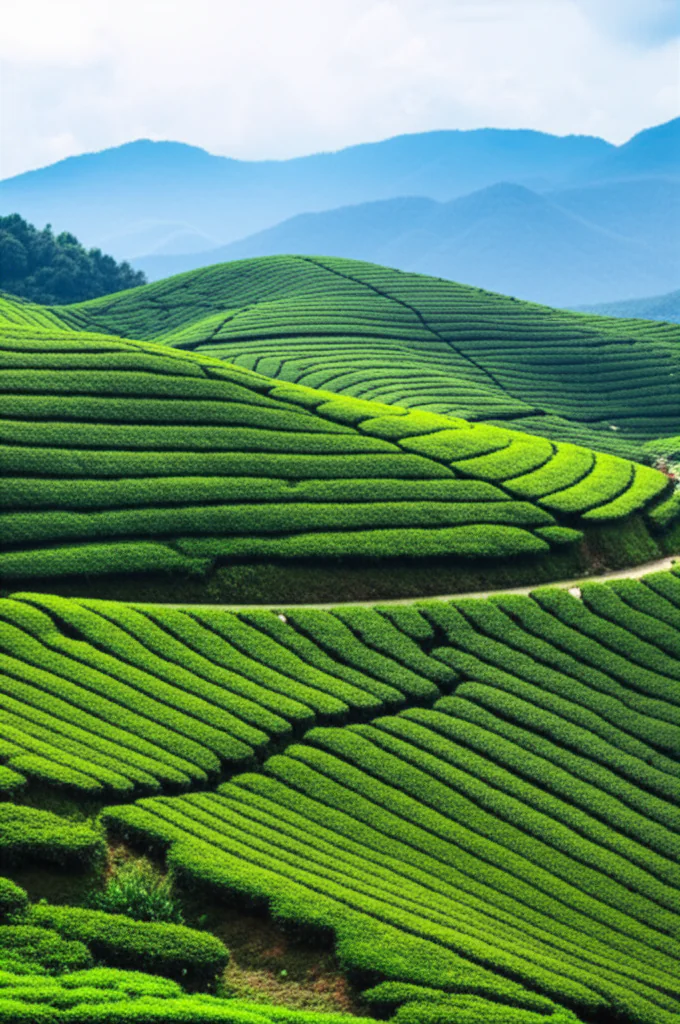
You might think tea is just a morning pick-me-up, but its story is as rich as a dark olong. Native to the misty mountains of Yunnan, China, and the border regions of India and Myanmar, Camellia sinensis has been cultivated for over 5,0 years.
Legend has it that Emperor Shen Nung discovered tea in 2737 BC when leaves from a wild bush blew into his pot of boiling water. He loved the flavor, and thus, the world’s second most popular beverage was born.
But here’s the kicker: those ancient mountains weren’t just “nice.” They were specific.
- High Altitude: Many of the original tea gardens sat at 3,0 to 7,0 feet.
- Mist and Clouds: The “cloud forests” provided the perfect diffused light and high humidity we still strive to replicate today.
- Temperature Swings: The cool nights and warm days of these elevations created the stress that forces the plant to produce those complex polyphenols and amino acids (like L-theanine) that make tea taste so good.
When you try to grow tea in your suburban backyard or a grow tent, you are essentially trying to recreate a micro-climate that nature perfected over millennia. It’s not just about keeping the plant alive; it’s about tricking it into thinking it’s still in the misty peaks of Assam or Darjeling.
🌡️ The Goldilocks Zone: Pinpointing Ideal Temperature Ranges for Camellia sinensis
Let’s talk numbers, because tea plants are picky eaters when it comes to heat. Unlike a cactus that can shrug off a desert heatwave, or a fern that melts in a hot room, the tea plant has a very specific thermal window.
The Daytime Dance
During the growing season (spring through early autumn), your tea plant wants to feel like it’s in a warm, breezy spring day.
- Optimal Range: 65°F to 85°F (18°C to 29°C).
- The Danger Zone: If temperatures consistently exceed 90°F (32°C), the plant goes into heat stress. Photosynthesis slows down, and the leaves can scorch.
- The Chill Factor: Conversely, if it drops below 50°F (10°C) during the day, growth stalls.
The Nightime Reset
This is where many home growers fail. They keep the temperature constant 24/7. Don’t do that.
- Ideal Night Drop: You want a 10°F to 15°F (5°C–8°C) drop at night.
- Why? During the day, the plant uses energy to photosynthesize. At night, it uses energy to respire. If it’s too warm at night, the plant burns through all its stored energy just staying alive, leaving nothing for growth or flavor production. This is the Thermoperiod effect mentioned in OSU Extension guidelines.
Extreme Cold and Heat
- Hardiness: Most Camellia sinensis varieties are hardy to USDA Zone 7b (down to 5°F / -15°C) if they are aclimated. However, young plants are much more sensitive.
- Frost Warning: A hard frost can kill new flushes (the tender leaves you want to harvest). If you live in a cold zone, you’ll need to bring potted plants indoors or cover them heavily.
Wait, does this mean I need a heater and an AC?
Not necessarily! It depends on your climate. If you live in a place with mild winters and hot summers, you might just need a fan or a shade cloth. But if you are trying to grow tea in a grow tent or a climate with extreme swings, you’ll need active control.
💧 Humidity Highs and Lows: Why Moisture is the Secret Sauce
If temperature is the engine, humidity is the oil. Without it, the engine seizes. Tea plants are native to humid, subtropical regions. They have evolved to thrive in air that feels like a warm bath.
The Ideal Humidity Range
- Target: 60% to 80% Relative Humidity (RH).
- The Sweet Spot: 70% is often cited as the perfect balance for vegetative growth.
What Happens When Humidity is Too Low?
If the air is dry (below 40% RH), the plant loses water through its leaves faster than the roots can absorb it. This leads to:
- Marginal Leaf Burn: The edges of the leaves turn brown and crispy.
- Stunted Growth: The plant closes its stomata (pores) to save water, which stops photosynthesis.
- Flavor Loss: Stress from low humidity can alter the chemical composition of the leaf, often resulting in a more bitter, astringent brew.
What Happens When Humidity is Too High?
While tea loves moisture, 10% humidity is a recipe for disaster.
- Fungal Diseases: Powdery mildew, root rot, and leaf spot thrive in stagnant, saturated air.
- Lack of Transpiration: If the air is already full of water, the plant can’t “breathe” or pull nutrients up from the soil.
The VPD Factor (Vapor Pressure Deficit)
You might hear advanced growers talking about VPD. It’s a fancy way of describing the difference between how much water the air can hold and how much it is holding.
- Low VPD (High Humidity): Plant transpiration slows. Good for seedlings, bad for mature plants if too extreme.
- High VPD (Low Humidity): Plant transpiration speeds up. Good for nutrient uptake, but risky if the roots can’t keep up.
For tea, you want a moderate VPD that encourages steady transpiration without causing water stress.
Curious about how to measure this?
We’ll get to the tools you need later, but for now, know that a simple hygrometer is your best friend. If you are growing indoors, you might need a humidifier in the winter and a dehumidifier in the summer.
🌧️ Rainfall Patterns and Irrigation: Keeping the Roots Happy
Water is life, but how you give it matters just as much as how much. In the wild, tea plants get consistent rainfall, but the soil drains quickly.
The “Moist but Not Sogy” Rule
- Soil Texture: Tea roots hate “wet feet.” They need well-draining, acidic soil (pH 4.5–6.0).
- Irrigation Frequency: Water when the top 1–2 inches of soil feel dry.
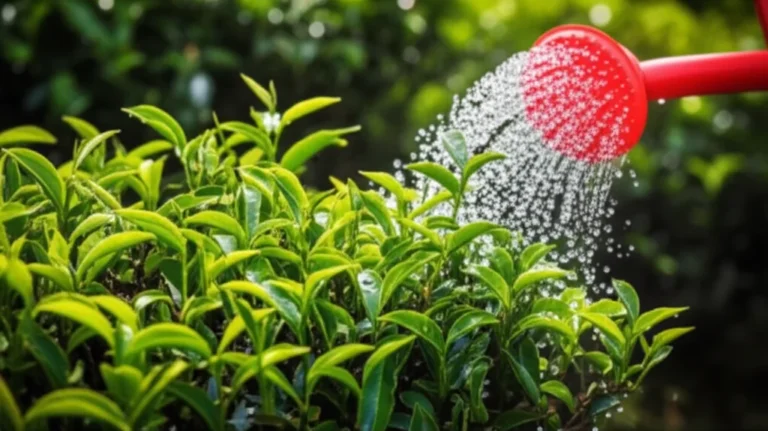
- Method: Drip irrigation is ideal for outdoor gardens as it delivers water directly to the roots and keeps the foliage dry (reducing fungal risk). For potted plants, water thoroughly until it drains out the bottom, then wait.
Rainfall vs. Artificial Watering
- Natural Rain: Often slightly acidic, which tea loves.
- Tap Water: Can be too alkaline or contain chlorine. If your tap water is hard, consider using rainwater or filtered water.
Seasonal Adjustments
- Spring/Summer: High water demand. Keep soil consistently moist.
- Autumn: Reduce watering as the plant prepares for dormancy.
- Winter: If the plant is dormant (in cold climates), water very sparingly. If it’s evergreen indoors, keep it slightly moist but not wet.
Why do some teas taste better after a drought?
It’s a paradox! A mild water stress can concentrate flavors and increase catechin production. However, severe drought kills the plant. It’s a delicate balance we’ll explore in the “Science of Stress” section later.
☀️ Light Intensity and Shade Management: Finding the Perfect Balance
Here is a common misconception: “Tea plants need full sun.”
False. Well, sort of.
Commercial vs. Home Growing
- Commercial Farms: Often plant in full sun to maximize yield. They use specific cultivars bred for high light tolerance.
- Home Gardeners: In many climates, full sun (especially in the afternoon) can scorch the leaves, turning them yellow and bitter.
The Ideal Light Condition
- Partial Shade: The best environment for home-grown tea is dappled sunlight or morning sun with afternoon shade.
- Light Intensity: Tea plants prefer 1,0 to 3,0 foot-candles of light. Too much direct UV can degrade L-theanine (the amino acid responsible for the “calm” feeling in tea).
Managing Light
- Shade Cloths: If you live in a hot climate (Zone 9+), use a 30% to 50% shade cloth during the hottest months.
- Indoor Lighting: If growing indoors, use full-spectrum LED grow lights. Place them 12–18 inches above the plant.
Duration: 12–14 hours of light per day during the growing season.
Did you know?
Shade-grown tea (like Gyokuro in Japan) is prized for its sweetness and low bitterness because the lack of direct sun forces the plant to produce more chlorophyll and amino acids.
🌍 Altitude and Microclimates: How Elevation Changes the Game
You can’t exactly move your backyard to 5,0 feet, but you can understand why altitude matters.
The Altitude Effect
- Cooler Temperatures: Higher elevations are cooler, slowing down the growth rate.
- Slower Growth = Better Flavor: When the plant grows slowly, it has more time to accumulate complex flavor compounds and sugars.
- Nightime Drops: High altitude areas have massive temperature drops at night, enhancing the thermoperiod effect.
Creating a Microclimate
If you live in a hot, low-altitude area, how do you mimic the mountains?
- Plant on a Slope: Cold air sinks. Planting on a slope allows cold air to drain away, preventing frost pockets.
- Mulch Heavily: A thick layer of organic mulch keeps the soil cool and retains moisture.
- Windbreaks: Plant hedges or use fences to block hot, drying winds.
🌿 Soil Composition and Drainage: The Foundation of Flavor
You can have perfect temperature and humidity, but if your soil is wrong, your tea will fail.
The Perfect Tea Soil Recipe
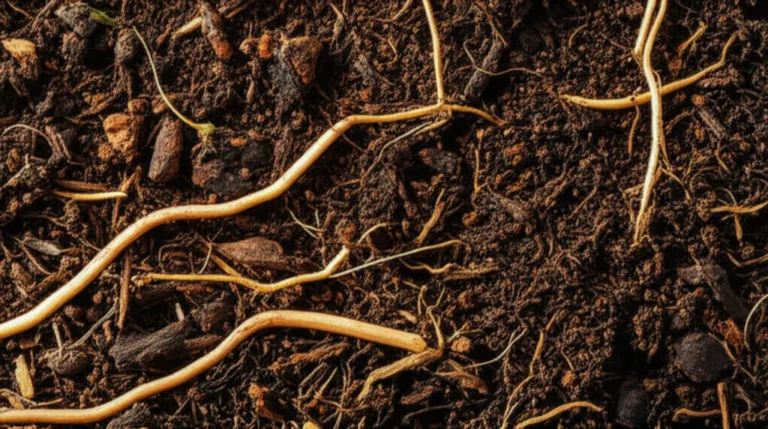
- pH Level: 4.5 to 6.0 (Acidic). If your soil is alkaline (above 7.0), the plant cannot absorb nutrients, leading to chlorosis (yellowing leaves).
- Texture: Sandy loam with high organic matter.
- Drainage: Excellent. Roots must never sit in water.
How to Fix Your Soil
- Test Your pH: Use a soil test kit. If it’s too high, add sulfur or peat moss.
- Amendments: Mix in compost, pine bark fines, and perlite to improve drainage and acidity.
- Avoid: Heavy clay soils unless heavily amended.
🧪 Nutrient Needs: Feding Your Tea Plants for Maximum Yield
Tea plants are not heavy feeders like tomatoes, but they do need specific nutrients to produce those flavorful leaves.
Key Nutrients
- Nitrogen (N): Essential for leaf growth. High nitrogen = lush, green leaves.
- Phosphorus (P): Important for root development.
- Potassium (K): Helps with disease resistance and overall plant health.
- Magnesium (Mg): Crucial for chlorophyll production.
Fertilization Strategy
- Organic Approach: Use fish emulsion, blood meal, or compost tea. These release nutrients slowly and improve soil structure.
- Synthetic Approach: Use a balanced fertilizer (e.g., 10-10-10) but apply sparingly. Too much nitrogen can make the tea taste grassy and bitter.
- Timing: Feed in early spring when new growth starts, and again in early summer. Stop feeding by late summer to let the plant harden off for winter.
Want to go organic?
Check out our guide on Organic Farming Techniques for more on natural fertilizers.
🏠 Indoor vs. Outdoor Growing: Mastering the Environment
Can you grow tea inside? Absolutely. But it requires more effort.
Outdoor Growing
- Pros: Natural light, natural temperature swings, less maintenance.
- Cons: Exposure to pests, weather extremes, and soil pH issues.
- Best For: Zones 7–10 with mild winters.
Indoor Growing
- Pros: Total control over temperature, humidity, and light. No pests (usually).
- Cons: Requires equipment (lights, humidifiers, fans). Harder to replicate thermoperiod.
- Best For: Cold climates, apartments, or year-round production.
The Indoor Setup
- Light: Full-spectrum LED grow lights (12–14 hours/day).
- Humidity: Use a humidifier to keep RH above 60%.
- Airflow: Use a small oscillating fan to prevent mold and strengthen stems.
- Temperature: Keep days at 70°F and nights at 60°F.
🛠️ Essential Tools for Monitoring Climate Conditions
You can’t manage what you don’t measure. Here are the tools you need to become a tea climate wizard.
1. Digital Hygrometer/Thermometer
- Why: To track temperature and humidity in real-time.
- Recommendation: Look for one with min/max memory so you can see the temperature swings.
- Brand: ThermoPro or AcuRite are reliable and affordable.
2. Soil Moisture Meter
- Why: To check if the soil is actually wet or just surface damp.
- Recommendation: Analog meters are cheap, but digital ones with pH and light sensors are better.
3. Shade Cloth
- Why: To reduce light intensity and heat.
- Brand: Gardeners Supply Company or Amazon Basics.
4. Humidifier/Dehumidifier
- Why: To maintain the 60–80% RH range.
- Brand: LEVOIT (for humidifiers) and hOmeLabs (for dehumidifiers).
Need to automate this?
If you are serious about indoor growing, check out the Spider Farmer ecosystem. Their GS AC5 Power Strip Kit can automatically turn your humidifier or heater on and off based on your set thresholds. It’s like having a robot butler for your tea plants.
👉 Shop Spider Farmer on:
- Amazon: Spider Farmer Search Results
- Official Site: Spider Farmer Official Website
🚫 Common Mistakes: What Happens When Conditions Go Wrong
Even the best growers make mistakes. Here’s what happens when you miss the mark.
Mistake 1: Ignoring the Night Drop
- Symptom: Legy, weak growth; pale leaves; poor flavor.
- Fix: Allow the temperature to drop at night. If indoors, turn off the heat or open a window (if safe).
Mistake 2: Overwatering
- Symptom: Yellowing leaves, wilting despite wet soil, root rot smell.
- Fix: Let the soil dry out completely. Repot if necessary with better drainage.
Mistake 3: Low Humidity
- Symptom: Brown, crispy leaf edges; stunted growth.
- Fix: Group plants together, use a pebble tray, or run a humidifier.
Mistake 4: Wrong Soil pH
- Symptom: Yellow leaves with green veins (chlorosis); slow growth.
- Fix: Test soil pH. Add sulfur or peat moss to lower it.
📊 Seasonal Adjustments: Adapting to the Changing Weather
Tea plants are dynamic. They change with the seasons, and so should your care routine.
| Season | Temperature Goal | Humidity Goal | Watering | Light |
|---|---|---|---|---|
| Spring | 65–85°F (18–29°C) | 60–80% | Increase as growth starts | Full sun / 14h light |
| Summer | 70–85°F (21–29°C) | 60–75% | Keep moist; watch for heat stress | Afternoon shade |
| Autumn | 5–75°F (13–24°C) | 50–70% | Reduce frequency | Reduce light hours |
| Winter | 45–60°F (7–15°C) | 40–60% | Minimal (dormant) | Low light / 8–10h |
Note: If you live in a tropical climate, you might not have a true winter. In that case, focus on the dry season vs. wet season adjustments.
🌏 Global Tea Regions: A Tour of Ideal Climates Around the World
Let’s take a virtual tour of where the best tea grows and what conditions they enjoy.
Darjeling, India
- Altitude: 6,0–7,0 ft.
- Climate: Cool, misty, high rainfall.
- Key Factor: The massive temperature drop at night creates the famous “muscatel” flavor.
Yunnan, China
- Altitude: 3,0–6,0 ft.
- Climate: Subtropical, warm days, cool nights.
- Key Factor: Ancient wild tea trees thrive in the high humidity and rich soil.
Assam, India
- Altitude: Low (near sea level).
- Climate: Hot, humid, heavy monsoon rains.
- Key Factor: High rainfall and heat produce bold, malty black teas.
Uji, Japan
- Altitude: Low to mid.
- Climate: Cool, misty.
- Key Factor: Shade-grown techniques (like for Gyokuro) are used to boost amino acids.
🌱 Propagation and Young Plant Care: The Critical First Year
Starting from seed or cutting? The first year is the most fragile.
From Seed
- Germination: Requires warm soil (70°F+) and high humidity.
- Time: Can take 2–4 weeks.
- Care: Keep soil moist but not sogy. Provide indirect light.
From Cutings
- Success Rate: Higher than seeds.
- Rooting: Use a rooting hormone and keep in a high humidity dome (80%+ RH).
- Light: Low to medium light. Too much sun will dry out the cutting.
The First Year
- Don’t Harvest: Let the plant establish its root system. Harvesting too early will stunt the plant.
- Pruning: Light pruning to encourage bushiness.
🍵 Harvest Timing: How Climate Influences Leaf Quality
When you harvest depends on the weather.
The First Flush (Spring)
- Conditions: Cool temperatures, new growth.
- Flavor: Delicate, floral, high in amino acids.
- Why: The plant has stored energy over winter.
The Second Flush (Summer)
- Conditions: Warmer, more sun.
- Flavor: Bolder, more astringent, higher in catechins.
- Why: Faster growth and more sun exposure.
The Autumn Flush
- Conditions: Cooling down.
- Flavor: Rich, mellow.
- Why: Slower growth concentrates flavors.
Did you know?
The temperature at the time of harvest directly affects the catechin content. Hoter weather = more catechins (bitterness). Cooler weather = more amino acids (sweetness).
🔬 The Science of Stress: How Temperature Affects Catechins and Amino Acids
This is where it gets scientific, but stick with us—it explains why your tea tastes the way it does.
The Trade-Off
Tea plants have a chemical balancing act:
- Catechins (Polyphenols): Provide bitterness and astringency. They are antioxidants.
- Amino Acids (L-theanine): Provide sweetness and umami. They promote relaxation.
Temperature’s Role
- High Heat: Increases the production of catechins. This is why summer tea can be more bitter.
- Cool Temperatures: Increases the production of L-theanine. This is why spring tea is so sweet and smooth.
- Rainfall: High rainfall promotes the conversion of non-esterified catechins to esterified catechins (like EGCG), which are potent antioxidants.
The Study
A study on the Tieguanyin cultivar found that:
- Hot and rainy conditions maximized Total Esterified Catechins (TEC).
- Cooler and drier conditions maximized Total Non-Esterified Catechins (TNEC).
So, how do you control this?
By manipulating your environment! If you want a sweter tea, keep your plant cooler and shaded. If you want a more antioxidant-rich (bitter) tea, give it more heat and light.
🛡️ Pest and Disease Control in Humid Environments
High humidity is great for tea, but it’s also a party for pests and fungi.
Common Pests
- Scale Insects: Look like little bumps on stems.
- Spider Mites: Thrive in hot, dry conditions (ironically, low humidity).
- Aphids: Atracted to new growth.
Common Diseases
- Powdery Mildew: White powdery spots on leaves.
- Root Rot: Caused by overwatering and poor drainage.
- Leaf Spot: Fungal spots on leaves.
Prevention
- Airflow: Use fans to keep air moving.
- Watering: Water at the base, not the leaves.
- Inspection: Check your plants weekly.
🧭 Troubleshooting Guide: Diagnosing Climate-Related Issues
| Symptom | Possible Cause | Solution |
|---|---|---|
| Brown leaf edges | Low humidity | Increase humidity to 60%+ |
| Yellow leaves | Overwatering or high pH | Check soil moisture; test pH |
| Legy growth | Low light or no night drop | Add light; lower night temp |
| Wilting | Underwatering or root rot | Check soil; check roots |
| Crispy leaves | Heat stress or low humidity | Move to shade; increase humidity |
Conclusion

Growing your own tea is a journey of patience, observation, and a little bit of science. While the ideal temperature for Camellia sinensis sits comfortably between 65°F and 85°F during the day, the real magic happens in the nightime drop and the humidity levels that hover around 70%.
You now know that tea isn’t just a plant; it’s a chemical factory that responds to every degree of heat and drop of moisture. Whether you are growing in a sunny backyard in Zone 9 or a climate-controlled grow tent in your basement, the principles remain the same: mimic the mountains.
Remember, the goal isn’t just to keep the plant alive. It’s to create the right stress to produce the flavors you crave. Too much heat? You get bitter tea. Too little light? You get weak tea. But find that Goldilocks zone, and you’ll be brewing cups of your own creation that rival the finest estates in Darjeling.
So, are you ready to turn your home into a tea garden? Grab your thermometer, check your humidity, and let’s get growing!
🔗 Recommended Links
Ready to get started? Here are the tools and resources we recommend for your tea-growing journey.
Essential Tools
- Digital Hygrometer/Thermometer: ThermoPro on Amazon
- Shade Cloth (30-50%): Gardeners Supply Company Shade Cloth
- Humidifier for Plants: LEVOIT Humidifier on Amazon
- Dehumidifier for Grow Tents: hOmeLabs Dehumidifier on Amazon
Books & Guides
- “The Tea Tree: A Guide to Growing and Harvesting Camellia Sinensis” – Available on Amazon
- “Tea: A History of the Leaf” – Available on Amazon
Internal Resources
- Green Tea Cultivation
- Herbal Tea Planting
- Organic Farming Techniques
- Fertilizers for Tea Plants
- Health Benefits of Tea
❓ FAQ

What is the best humidity level for growing tea plants indoors?
The ideal humidity level for indoor tea plants is between 60% and 80%. Tea plants are native to humid, subtropical regions, and they struggle in dry indoor air, especially during winter when heating systems dry out the atmosphere. If the humidity drops below 40%, you will likely see brown, crispy leaf edges. To maintain this level, use a humidifier, place the pot on a pebble tray with water, or group your plants together to create a microclimate.
Read more about “☀️ How Much Sunlight Do Tea Plants Need to Thrive? (2026)”
How does temperature affect the flavor of homegrown tea leaves?
Temperature plays a massive role in the chemical composition of the tea leaf.
- Cooler temperatures (especially at night) encourage the production of L-theanine and other amino acids, resulting in a sweter, smoother, and more umami-rich flavor.
- Warmer temperatures stimulate the production of catechins (polyphenols), which contribute to bitterness and astringency.
- Nightime drops (a 10–15°F difference) are crucial for the plant to conserve energy and develop complex flavors. Without this drop, the tea may taste flat or overly grassy.
Read more about “Is Tea Easy to Grow? The Surprising Truth for 2026 🌱”
Can tea plants survive in low humidity environments?
Yes, but with difficulty. Tea plants can survive in low humidity (below 40%), but they will not thrive. You will likely see stunted growth, leaf scorch, and a reduction in flavor quality. In low humidity, the plant closes its stomata to prevent water loss, which halts photosynthesis and nutrient uptake. If you live in a dry climate or have dry indoor air, you must use a humidifier or other methods to raise the humidity to at least 60% for the plant to produce healthy, flavorful leaves.
Read more about “🍵 20 Easiest Tea Plants to Grow Indors for Beginners (2026)”
What are the signs of temperature stress in tea bushes?
Temperature stress can manifest in several ways:
- Heat Stress: Leaves turn yellow or brown, edges become crispy, and the plant may wilt even if the soil is moist. Growth may stop entirely.
- Cold Stress: Leaves may turn purple or dark green, and new growth may be stunted or blackened by frost.
- Lack of Thermoperiod: If the temperature remains constant day and night, the plant may become legy (weak, stretched stems) and produce pale leaves with poor flavor.
Read more about “🌱 7 Steps to Perfect Soil Preparation for Tea Plantation (2026)”
How do I know if my tea plant is getting enough light?
- Too little light: The plant becomes legy, with long gaps between leaves. The leaves may turn pale green or yellow.
- Too much light: Leaves may develop brown spots or scorch marks, especially on the edges. The plant may look stressed and wilt during the hottest part of the day.
- Just right: The plant has compact growth, deep green leaves, and produces new flushes regularly. If growing indoors, aim for 12–14 hours of full-spectrum light per day.
Read more about “🌱 Can Tea Plants Be Grown Indors? The Ultimate 2026 Guide”
📚 Reference Links
- Oregon State University Extension: Environmental Factors Affecting Plant Growth – General principles on temperature, humidity, and light.
- Frontiers in Plant Science: Ideal Temperature and Humidity Conditions for Tea Plant Growth – Scientific study on catechin production and environmental factors.
- Spider Farmer: What Is the Ideal Grow Room Temp & Humidity – Spider Farmer – Automation tools for maintaining climate control.
- USDA Plant Hardiness Zone Map: USDA Plant Hardiness Zone Map – Check your zone for tea plant hardiness.
- Royal Botanic Gardens, Kew: Camellia sinensis – Botanical information on the tea plant.