Support our educational content for free when you purchase through links on our site. Learn more
🌧️ Tea Plant Soil Moisture Requirements: The Ultimate 2026 Guide

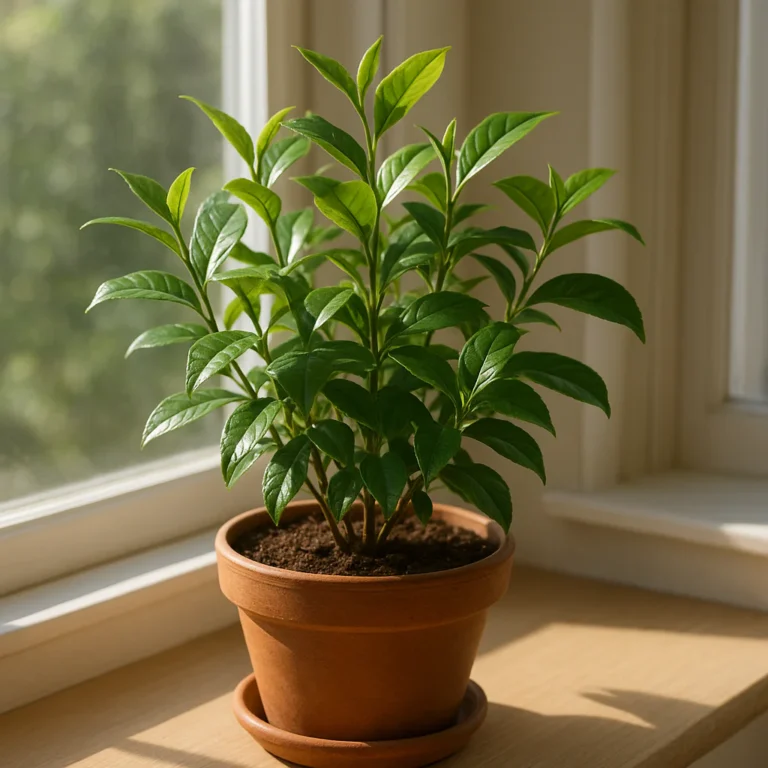
The secret to a thriving tea garden isn’t a magic fertilizer; it’s keeping your soil consistently moist like a wrung-out sponge while ensuring it drains instantly to prevent fatal root rot. Mastering these tea plant soil moisture requirements is the single most critical factor in determining whether your Camellia sinensis produces delicate, sweet leaves or bitter, stunted growth.
Many new growers assume tea plants are hardy cacti that can handle neglect, but they are actually sensitive evergreens that demand a very specific hydrological balance. We once watched a promising bush turn into a brown, crispy mess in just three days because a heavy clay pot had no drainage holes, proving that waterlogged roots are far deadlier than thirst.
Did you know that the flavor profile of your tea is directly dictated by soil hydration? A plant stressed by drought concentrates bitter polyphenols, while one that is waterlogged loses its ability to synthesize the sweet amino acids that make green tea soothing.
Key Takeaways
- The “Wrung-Out Sponge” Rule: Ideal soil is damp to the touch but never dripping wet; avoid both bone-dry and sogy extremes.
- Drainage is Non-Negotiable: Root rot is the leading cause of death for tea plants, so always use well-draining soil and pots with holes.
- Mulch is Your Best Friend: A 2-3 inch layer of organic mulch locks in moisture, regulates temperature, and suppresses weeds.
- Water Quality Matters: Tea plants prefer acidic, soft water; hard tap water can alter soil pH and harm the plant over time.
- Seasonal Sensitivity: Increase watering during the spring flush and summer heat, but drastically reduce it during winter dormancy.
Table of Contents
- ⚡️ Quick Tips and Facts
- 🌱 A Brief History of Tea Plant Soil Moisture Needs
- 🌧️ Understanding the Hydrology: Why Water Matters for Camellia sinensis
- 📊 The Goldilocks Zone: Ideal Soil Moisture Levels for Optimal Growth
- 🏺 7 Critical Factors Influencing Soil Moisture Retention in Tea Gardens
- 💧 5 Signs Your Tea Plant is Thirsty (and 5 Signs it’s Drowning)
- 🛠️ 6 Best Irrigation Methods for Maintaining Perfect Tea Plant Hydration
- 🌿 Mulching Mastery: How to Lock in Moisture and Suppress Weds
- 🌦️ Seasonal Adjustments: Managing Water Needs from Spring Flush to Winter Dormancy
- 🧪 Soil Testing and pH: The Hidden Variables in Your Moisture Equation
- 🌍 Regional Challenges: Adapting Soil Moisture Strategies for Different Climates
- 🚫 Common Mistakes That Ruin Tea Plant Root Systems
- 📈 Troubleshooting Guide: Fixing Overwatering and Underwatering Issues
- 🎓 Conclusion
- 🔗 Recommended Links
- ❓ FAQ
- 📚 Reference Links
⚡️ Quick Tips and Facts
Before we get our hands dirty, let’s hit the ground running with the absolute non-negotiables for keeping your Camellia sinensis happy. If you remember nothing else from this deep dive, remember these golden rules:
- The “Goldilocks” Rule: Your tea plant hates extremes. It doesn’t want to be a desert cactus, and it certainly doesn’t want to be a swamp frog. It needs consistently moist but well-drained soil.
- Root Rot is the Silent Killer: The number one reason tea plants die in home gardens isn’t lack of water; it’s sogy feet. If the roots sit in standing water, they will suffocate and rot within days.
- Mulch is Magic: A 2-3 inch layer of organic mulch is your best friend. It regulates temperature, suppresses weeds, and keeps that precious moisture right where the roots need it.
- Water Quality Matters: Tea plants are sensitive to high mineral content. If your tap water is hard, consider using rainwater or filtered water to avoid soil pH drift.
- The Finger Test: Never water on a schedule; water by feel. Stick your finger two inches into the soil. If it’s dry, water. If it’s damp, wait.
For a more detailed breakdown on the frequency of watering based on your specific climate, check out our guide on How often should I water my tea plants?.
🌱 A Brief History of Tea Plant Soil Moisture Needs

You might think the tea plant (Camellia sinensis) has always been pampered in climate-controlled greenhouses, but its story is one of rugged survival. Native to the humid, mountainous regions of Southwest China, Northern Myanmar, and Northern Vietnam, this plant evolved in an environment of monsoon rains followed by distinct dry seasons.
Historically, the tea plant wasn’t just a beverage; it was a lifeline. During the American Revolutionary War, colonists turned to Ceanothus americanus (New Jersey Tea) as a substitute when British tea was boycotted. While New Jersey Tea is a different species entirely, it shares a similar adaptability to varying soil moisture levels, thriving in both dry prairies and moist woodlands. However, the true tea plant, Camellia sinensis, has a more specific lineage.
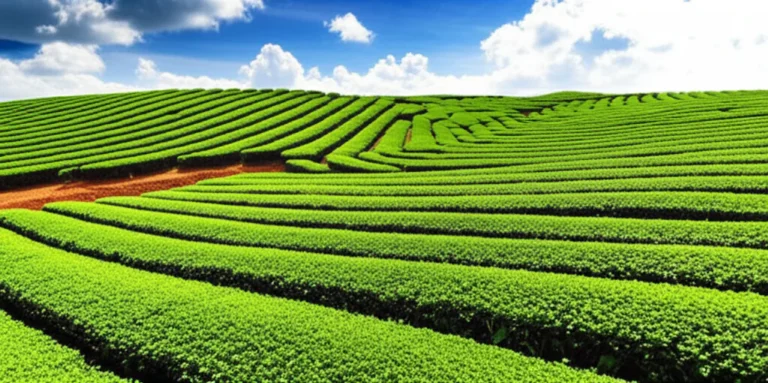
Early Chinese tea growers noticed that plants growing on well-drained slopes produced superior leaves compared to those in flat, waterlogged valleys. This observation led to the development of terraced tea gardens, a technique still used today in places like Darjeling and Uji. The terracing wasn’t just for show; it was a sophisticated engineering solution to manage soil moisture retention while preventing erosion and root suffocation.
As the British East India Company moved tea cultivation to India (Assam) and Sri Lanka (Ceylon), they had to adapt these moisture management techniques to tropical climates with heavy monsons. The lesson learned across centuries and continents? Drainage is king, but consistency is queen.
🌧️ Understanding the Hydrology: Why Water Matters for Camellia sinensis
Why is water so critical for the tea plant? It’s not just about hydration; it’s about physiology. The tea plant is an evergreen shrub with a relatively shallow root system compared to many trees. This means it relies heavily on the top 12-18 inches of soil for nutrients and water.
When soil moisture drops too low:
- Stomatal Closure: The plant closes its pores to save water, halting photosynthesis.
- Leaf Stunting: New growth becomes small, tough, and bitter.
- Flavor Compromise: The delicate balance of amino acids (like L-theanine) and polyphenols shifts, resulting in a harsher, less nuanced cup.
Conversely, when soil is too wet:
- Oxygen Deprivation: Roots need oxygen to breathe. Waterlogged soil pushes air out, leading to anaerobic conditions.
- Root Rot: Fungi like Phytophthora thrive in wet, low-oxygen environments, attacking the root system.
- Nutrient Lockout: Even if nutrients are present in the soil, a drowning root system cannot absorb them.
As Jim Putnam notes in his insightful video on growing tea, the plant is hardy in zones 7b-10 but requires a protected space in zone 7. He emphasizes that while the plant can tolerate sandy soil, the moist but well-drained condition is paramount for commercial success and home gardening alike. You can watch his full perspective here: Featured Video: Growing Camellia Sinensis.
📊 The Goldilocks Zone: Ideal Soil Moisture Levels for Optimal Growth
So, what does “ideal” actually look like? It’s a moving target that changes with the seasons, but we can define a baseline.
The Moisture Scale
We often talk about soil moisture in terms of “feel,” but let’s get a bit more scientific.
| Soil Condition | Description | Impact on Tea Plant |
|---|---|---|
| Bone Dry | Soil pulls away from pot edges; dust-like texture. | ❌ Critical Stress: Growth stops, leaves yellow and drop. |
| Slightly Dry | Top 1-2 inches dry, but cool touch below. | ⚠️ Warning: Plant is thirsty; water immediately. |
| Ideal Moisture | Soil feels like a wrung-out sponge. Damp, not dripping. | ✅ Perfect: Roots absorb nutrients efficiently; new flushes are tender. |
| Sogy/Wet | Water pools on surface; soil feels cold and heavy. | ❌ Dangerous: Roots suffocate; risk of root rot is high. |
| Waterlogged | Standing water visible; soil smells musty. | 💀 Fatal: Root death occurs rapidly; plant will likely die. |
The “Wrung-Out Sponge” Test
This is the gold standard for our team at Growing Teas™. Squeeze a handful of soil.
- If water drips out: Too wet.
- If it crumbles instantly: Too dry.
- If it holds its shape but leaves no water on your hand: Just right.
For those interested in the chemical side of things, maintaining this moisture level helps preserve the specific compounds that give green tea its health benefits. You can read more about the connection between soil health and the Health Benefits of Tea on our site.
🏺 7 Critical Factors Influencing Soil Moisture Retention in Tea Gardens
Why does your neighbor’s tea plant thrive in clay soil while yours in sandy loam is struggling? It comes down to these seven factors.
1. Soil Texture
- Sandy Soil: Drains incredibly fast. Requires frequent, light watering.
- Clay Soil: Holds water like a sponge but drains poorly. Prone to compaction and root rot.
- Loam: The holy grail. A mix of sand, silt, and clay that retains moisture while allowing drainage.
2. Organic Matter Content
Adding compost or aged manure increases the soil’s water-holding capacity. Organic matter acts like a reservoir, releasing water slowly to the roots. This is a core tenet of Organic Farming Techniques.
3. Mulch Layer
A thick layer of mulch reduces evaporation by up to 70%. It also keeps soil temperatures stable, preventing the “fever” that dries out soil in summer.
4. Temperature and Humidity
Hot, dry winds suck moisture from the soil faster than cool, humid days. In arid climates, you may need to water twice a day during peak summer.
5. Root Density
A mature, bushy tea plant with a dense root system will drink water much faster than a young sapling. As the plant grows, your watering frequency must increase.
6. Pot vs. Ground
Container-grown tea plants dry out significantly faster than those in the ground. The limited soil volume means there is less buffer against temperature fluctuations and evaporation.
7. Slope and Drainage
Planting on a slope naturally aids drainage. Flat areas require raised beds or amending the soil to prevent pooling.
💧 5 Signs Your Tea Plant is Thirsty (and 5 Signs it’s Drowning)
How do you know if you’re overdoing it or underdoing it? Your plant will tell you, but you have to know the language.
Signs of Thirst (Underwatering)
- Wilting Leaves: The most obvious sign. Leaves drop and lose turgor pressure.
- Crispy Edges: Leaf margins turn brown and brittle.
- Stunted Growth: New shoots are tiny or fail to emerge.
- Leaf Drop: Older leaves turn yellow and fall off to conserve water.
- Dry Soil Pulling Away: The soil shrinks and pulls away from the edges of the pot.
Signs of Drowning (Overwatering)
- Yellowing Leaves: Unlike the crisp edges of thirst, overwatered leaves turn a uniform pale yellow.
- Soft, Mushy Stems: The base of the stem feels soft or blackened.
- Musty Odor: A smell of rot coming from the soil.
- Leaf Drop (Sudden): Leaves drop while still green or yellow, often accompanied by a wet feel.
- Fungal Growth: Mold or algae appearing on the soil surface.
Pro Tip: If you see yellowing leaves, do not water immediately! Check the soil first. Often, the instinct to “save” a plant by watering it is exactly what kills it.
🛠️ 6 Best Irrigation Methods for Maintaining Perfect Tea Plant Hydration
Choosing the right watering method can make or break your tea garden. Here are the top methods we recommend at Growing Teas™.
1. Drip Irrigation
Best for: Large gardens and consistent moisture.
Drip systems deliver water directly to the root zone, minimizing evaporation and keeping foliage dry (which prevents fungal diseases).
- Pros: Efficient, consistent, reduces weed growth.
- Cons: Initial setup cost, potential for clogging.
2. Soaker Hoses
Best for: Small to medium beds.
Similar to drip irrigation but uses a porous hose that “sweats” water along its length.
- Pros: Affordable, easy to install, great for irregular bed shapes.
- Cons: Harder to see exactly where water is coming out; can degrade over time.
3. Hand Watering with a Wand
Best for: Container plants and small gardens.
Using a watering wand with a breaker nozzle allows you to control the flow and target the base of the plant.
- Pros: Precise, allows you to inspect the plant while watering.
- Cons: Labor-intensive, inconsistent if not done carefully.
4. Self-Watering Containers
Best for: Beginners and balcony gardeners.
These pots have a reservoir at the bottom that wicks water up to the soil as needed.
- Pros: Hard to overwater, great for busy schedules.
- Cons: Limited soil volume, can still get waterlogged if the wick is too efficient.
5. Misting Systems
Best for: Humidity control in greenhouses.
While not a primary water source, misting helps maintain ambient humidity, reducing soil evaporation.
- Pros: Increases humidity, cols the plant.
- Cons: Can promote leaf diseases if used excessively; doesn’t replace root watering.
6. Rainwater Harvesting
Best for: Eco-friendly and pH-sensitive tea plants.
Collecting rainwater is the ultimate source of soft, acidic water perfect for tea.
- Pros: Free, perfect pH, no chlorine.
- Cons: Dependent on weather, requires storage tanks.
👉 Shop Drip Irrigation Kits on:
- Amazon: Drip Irrigation Systems
- Walmart: Garden Irrigation
- Brand Official: Rain Bird
🌿 Mulching Mastery: How to Lock in Moisture and Suppress Weds
Mulching is the unsung hero of tea cultivation. It’s not just about aesthetics; it’s a functional necessity for moisture management.
Why Mulch?
- Evaporation Reduction: Keeps soil cool and moist.
- Wed Supression: Blocks sunlight, preventing weed seeds from germinating.
- Soil Structure: As organic mulch breaks down, it improves soil texture and water retention.
- Temperature Buffer: Protects roots from extreme heat in summer and freezing in winter.
Best Mulch Materials for Tea Plants
- Pine Bark Nuggets: Excellent for acid-loving plants like tea. They break down slowly and add acidity.
- Straw: Great for moisture retention, but can harbor slugs if not managed.
- Leaf Mold: A fantastic, free resource that mimics the forest floor where tea plants naturally grow.
- Wood Chips: Good for pathways, but use sparingly around the base to avoid nitrogen tie-up.
How to Apply Mulch
- Clear the Area: Remove weeds and debris around the base of the plant.
- Water First: Apply mulch to moist soil to lock in the hydration.
- The Donut Method: Apply a 2-3 inch layer, but keep it 2-3 inches away from the stem. Piling mulch against the stem (volcano mulching) can cause rot and invite pests.
- Refresh Annually: Top up your mulch layer once a year to maintain effectiveness.
For more on soil amendments, explore our guide on Fertilizers for Tea Plants.
🌦️ Seasonal Adjustments: Managing Water Needs from Spring Flush to Winter Dormancy
Tea plants are dynamic. Their water needs change drastically throughout the year.
Spring: The Flush Season
- Condition: Rapid growth, new buds, and leaves.
- Water Need: High. The plant is pushing out the famous “spring flush.”
- Strategy: Keep soil consistently moist. Do not let it dry out completely. This is when the flavor is most delicate.
Summer: The Heat Wave
- Condition: High temperatures, intense sun, rapid evaporation.
- Water Need: Very High.
- Strategy: Water deeply and frequently. Early morning watering is best to reduce evaporation and prevent leaf scorch. Mulch is critical here.
Autumn: The Slow Down
- Condition: Temperatures drop, growth slows.
- Water Need: Moderate.
- Strategy: Gradually reduce watering frequency. Allow the top inch of soil to dry out slightly between waterings to prepare the plant for dormancy.
Winter: Dormancy
- Condition: Plant is dormant (in colder zones) or slowing down.
- Water Need: Low.
- Strategy: Water only when the soil is dry to the touch. Overwatering in winter is the fastest way to kill a tea plant. In zone 7, protect the roots with extra mulch.
🧪 Soil Testing and pH: The Hidden Variables in Your Moisture Equation
You can water perfectly, but if your soil pH is off, your plant won’t be able to absorb that water effectively. Tea plants are acid-loving plants.
The Ideal pH Range
- Target: 5.5 to 6.5
- Too High (Alkaline): Iron and other nutrients become unavailable, leading to chlorosis (yellowing leaves) even if the soil is moist.
- Too Low (Acidic): Can lead to aluminum toxicity, though tea plants are somewhat tolerant.
Testing Your Soil
Don’t guess! Use a soil pH meter or send a sample to your local extension service.
- Digital Meters: Quick and easy, but can be inaccurate if not calibrated.
- Lab Tests: The most accurate method, providing detailed nutrient profiles.
Adjusting pH
- To Lower pH (Make more acidic): Add elemental sulfur, peat moss, or pine bark.
- To Raise pH (Make less acidic): Add garden lime (use sparingly for tea plants).
For a deeper dive into soil health, check out our articles on Green Tea Cultivation and Herbal Tea Planting.
🌍 Regional Challenges: Adapting Soil Moisture Strategies for Different Climates
Growing tea in Florida is vastly different from growing it in Oregon. Here’s how to adapt.
Humid Subtropical (e.g., Southeast US)
- Challenge: High humidity but heavy rainfall leading to waterlogging.
- Solution: Plant in raised beds with excellent drainage. Use coarse mulch to prevent compaction. Monitor for fungal diseases.
Arid/Dry (e.g., Southwest US)
- Challenge: Rapid evaporation, low humidity.
- Solution: Drip irrigation is essential. Use thick mulch (3-4 inches). Consider shade cloth to reduce sun intensity and evaporation.
Temperate/Marine (e.g., Pacific Northwest)
- Challenge: Cool, wet winters; dry summers.
- Solution: Ensure drainage is perfect to prevent winter rot. Water heavily in summer. Mulch helps retain moisture during dry spells.
Cold Winters (e.g., Zone 7)
- Challenge: Frozen ground prevents water uptake.
- Solution: Water deeply before the ground freezes. Use heavy mulch to insulate roots. In containers, move to a protected area.
🚫 Common Mistakes That Ruin Tea Plant Root Systems
Even experienced gardeners make these blunders. Let’s avoid them.
- Watering on a Schedule: “Every Tuesday” is a recipe for disaster. Soil moisture varies with weather. Check the soil first.
- Ignoring Drainage: Planting in heavy clay without amending it is a death sentence.
- Over-Mulching: Piling mulch against the stem invites rot and pests.
- Using Hard Tap Water: High mineral content can alter soil pH over time.
- Neglecting the “Dry Down”: Never letting the soil dry out slightly between waterings prevents roots from seeking deeper moisture.
📈 Troubleshooting Guide: Fixing Overwatering and Underwatering Issues
Found a problem? Here’s your emergency kit.
Scenario A: The Drowning Plant
- Symptoms: Yellow leaves, soft stems, musty smell.
- Immediate Action: Stop watering immediately.
- Step 1: Check drainage holes. Are they clogged? Clear them.
- Step 2: If in a pot, remove the plant and inspect roots. Trim away any black, mushy roots with sterile scissors.
- Step 3: Repot in fresh, well-draining soil.
- Step 4: Place in a shaded, airy location to help the soil dry out.
Scenario B: The Thirsty Plant
- Symptoms: Wilting, crispy edges, dry soil.
- Immediate Action: Water deeply.
- Step 1: If the soil is hydrophobic (repelling water), soak the pot in a bucket of water for 15-20 minutes.
- Step 2: Apply a layer of mulch to lock in the new moisture.
- Step 3: Monitor daily. Do not overcompensate by flooding it again.
Scenario C: The Stunted Plant
- Symptoms: No new growth, small leaves.
- Possible Causes: Nutrient deficiency, root bound, or inconsistent moisture.
- Action: Check root bound status. Test soil pH. Ensure consistent watering. Consider a balanced fertilizer.
For more on maintaining plant health, visit our Organic Farming Techniques category.
🎓 Conclusion

Mastering tea plant soil moisture requirements is the single most important skill you can develop as a tea grower. It’s a delicate dance between hydration and drainage, a balance that shifts with the seasons and the weather. Remember, the tea plant is a survivor, but it thrives on consistency. By understanding the “wrung-out sponge” test, utilizing mulch effectively, and adapting your strategy to your local climate, you can cultivate a lush, productive tea garden that yields the most flavorful leaves.
Don’t let the fear of overwatering paralyze you. Instead, embrace the observation. Stick your finger in the soil, smell the earth, and let the plant guide you. Whether you are growing Camellia sinensis for that perfect cup of green tea or experimenting with New Jersey Tea as a historical curiosity, the principles of moisture management remain the same: keep it moist, keep it drained, and keep it happy.
Now, go out there and get your hands dirty! Your future cup of tea is waiting.
🔗 Recommended Links
Ready to upgrade your tea garden? Here are the tools and resources we trust.
👉 Shop Irrigation Supplies on:
- Amazon: Drip Irrigation Kits | Soaker Hoses
- Walmart: Garden Watering
- Brand Official: Orbit | Rain Bird
👉 Shop Mulch and Soil Amendments on:
- Amazon: Pine Bark Mulch | Peat Moss
- Etsy: Organic Soil Amendments
Books for Further Reading:
❓ FAQ

How often should I water my tea plant?
There is no single answer, as it depends on your climate, soil type, and the plant’s size. However, the general rule is to water when the top 1-2 inches of soil feel dry. In hot summer months, this might be daily; in cooler months, it could be once a week. Always perform the “finger test” before watering. For a more detailed schedule, see our article on How often should I water my tea plants?.
Read more about “🍃 Growing Tea Leaves Indors: Your 5-Step Guide to Homegrown Tea (2026)”
What is the ideal soil moisture level for growing tea?
The ideal soil moisture level is consistently moist but well-drained. Think of a wrung-out sponge: damp to the touch, but no water should drip out when squeezed. The soil should never be bone dry, nor should it be sogy or waterlogged.
Read more about “🌿 How to Keep Tea Plants Healthy and Thriving: The Ultimate 2026 Guide”
Can tea plants survive in dry soil conditions?
Camellia sinensis can survive short periods of drought, but it will suffer. Prolonged dry conditions lead to stunted growth, bitter leaves, and leaf drop. While Ceanothus americanus (New Jersey Tea) has deep roots and high drought tolerance, the true tea plant prefers consistent moisture. If you are in a dry climate, mulching and drip irrigation are essential to mimic its native environment.
Read more about “🌱 Black vs. Green vs. White Tea: The Soil Secrets Revealed (2026)”
How do I prevent root rot in tea plants due to overwatering?
Prevention is key. Ensure your soil is well-draining (amend heavy clay with sand or perlite). Plant in raised beds or containers with drainage holes. Avoid watering on a fixed schedule; instead, check soil moisture regularly. If you suspect root rot, stop watering immediately, improve air circulation, and if necessary, repot the plant, trimming away any rotted roots.
📚 Reference Links
- University of California Agriculture and Natural Resources: Camellia sinensis (Tea)
- Royal Horticultural Society: Growing Tea Plants
- Missouri Botanical Garden: Camellia sinensis Plant Profile
- Native Plant Database: Ceanothus americanus (New Jersey Tea)
- Native Plant Database: Monarda fistulosa (Wild Bergamot)
- Growing Teas™: Green Tea Cultivation
- Growing Teas™: Herbal Tea Planting
- Growing Teas™: Fertilizers for Tea Plants
- Growing Teas™: Organic Farming Techniques
- Growing Teas™: Health Benefits of Tea