Support our educational content for free when you purchase through links on our site. Learn more
7 Best Tea Varieties to Grow Indors in Small Spaces 🌿 (2026)


If you’re wondering what are the best tea varieties to grow indoors in small spaces? — the answer is a blend of classic Camellia sinensis cultivars alongside versatile herbal favorites like Lemon Balm, Mint, and Holy Basil. These plants thrive in limited indoor environments, offering fresh, flavorful leaves year-round without needing acres of garden space.
At Growing Teas™, we’ve seen firsthand how even a sunny windowsill or a cozy balcony corner can transform into a lush tea garden. Did you know that indoor tea plants can purify your air while providing you with fresh brews? One of our team members once nurtured a tiny Camellia sinensis seedling on a cramped apartment shelf, and within a year, it was producing enough leaves for a weekly pot of green tea — talk about a rewarding hobby!
Whether you crave authentic green or black tea or prefer caffeine-free herbal blends, the right varieties and care can turn your small space into a tea lover’s paradise.
Key Takeaways
- Camellia sinensis var. sinensis and var. assamica are the top classic tea plants for indoor growing, prized for authentic tea leaves.
- Herbal tea plants like Lemon Balm, Mint, and Holy Basil thrive indoors and add delightful flavors and aromas.
- Ideal indoor conditions include bright, indirect light, moderate humidity (50-70%), and well-draining acidic soil.
- Regular pruning and careful watering keep tea plants compact and healthy in small spaces.
- DIY grow boxes and mini greenhouses can help control environment factors for year-round success.
Table of Contents
- ⚡️ Quick Tips and Facts for Growing Tea Indors
- 🌱 Tea Growing 101: A Brief History and Background of Indoor Tea Cultivation
- 🍃 Why Grow Tea Indors? Benefits and Challenges of Small Space Tea Gardening
- 🌿 7 Best Tea Varieties to Grow Indors in Small Spaces
- 1. Camellia sinensis var. sinensis – The Classic Tea Plant
- 2. Camellia sinensis var. assamica – Bold Flavors from Compact Plants
- 3. Lemon Balm (Melissa officinalis) – A Citrus Twist for Herbal Tea
- 4. Mint Varieties – Pepermint and Spearmint for Refreshing Brews
- 5. Holy Basil (Tulsi) – The Sacred Tea Herb
- 6. Rooibos (Aspalathus linearis) – South African Red Tea for Indors
- 7. Jasmine (Jasminum sambac) – Fragrant Tea Companion Plants
- 🌞 How to Create the Perfect Indoor Environment for Tea Plants
- Lighting Requirements: Natural vs. Artificial
- Humidity and Temperature Control Tips
- Choosing the Right Containers and Soil Mixes
- 💧 Mastering Watering and Fertilizing for Indoor Tea Plants
- ✂️ Pruning and Harvesting: Maximizing Flavor and Growth in Limited Space
- 🐞 Pest and Disease Management for Indoor Tea Gardens
- 🛠️ DIY Tips: Building Your Own Mini Greenhouse or Grow Box for Tea
- 🍵 How to Process and Brew Your Homegrown Tea Leaves
- 📦 Where to Buy Quality Tea Seeds and Seedlings for Indoor Growing
- 💡 Troubleshooting Common Problems When Growing Tea Indors
- 🎉 Fun Facts and Anecdotes from Our Indoor Tea Growing Journey
- 🔚 Conclusion: Your Path to Thriving Indoor Tea Plants
- 🔗 Recommended Links for Tea Growing Enthusiasts
- ❓ FAQ: Your Burning Questions About Indoor Tea Growing Answered
- 📚 Reference Links and Further Reading
⚡️ Quick Tips and Facts for Growing Tea Indors
Welcome to the cozy world of indoor tea growing! If you’ve ever wondered, “What are the best tea varieties to grow indoors in small spaces?”, you’re in the right place. At Growing Teas™, we’ve nurtured countless tea plants in everything from tiny kitchen nooks to snug balconies. Here’s a quick cheat sheet to get you started:
- ✅ Best Tea Plants for Indors: Camellia sinensis (both var. sinensis and var. assamica), Lemon Balm, Mint, Holy Basil (Tulsi), Rooibos, and Jasmine.
- ✅ Ideal Conditions: Bright, indirect sunlight or 12-16 hours of grow light daily; temperatures between 65-75°F (18-24°C); humidity around 50-70%.
- ✅ Poting: Use well-draining acidic soil (pH 5.5-6.5) with organic matter.
- ✅ Watering: Keep soil moist but not sogy; avoid letting roots sit in water.
- ✅ Harvesting: Prune regularly to encourage bushy growth; harvest young leaves for best flavor.
- ✅ Pests: Watch for spider mites and aphids; use neem oil or insecticidal soap as safe treatments.
- ✅ Space-Saving Tips: Vertical planters, tiered shelves, and grow boxes maximize your limited space.
For more on what tea you can grow at home, check out our detailed guide here.
🌱 Tea Growing 101: A Brief History and Background of Indoor Tea Cultivation

Tea’s story is as rich as its flavor. Traditionally grown on sprawling plantations in Asia, tea cultivation indoors is a relatively modern twist. Why? Because tea plants (Camellia sinensis) are tropical evergreens that thrive in warm, humid environments with plenty of light.
Historically, tea was cultivated outdoors in large fields, but as urban living grew and space shrank, tea enthusiasts began experimenting with indoor growing. The challenge? Mimicking the plant’s natural habitat in your living room or balcony.
Indoor tea growing blends ancient tradition with modern horticulture. It’s a bit like having a slice of a Chinese or Indian tea garden right in your apartment! Plus, it’s a fantastic way to enjoy fresh, homegrown tea leaves year-round, no matter where you live.
🍃 Why Grow Tea Indors? Benefits and Challenges of Small Space Tea Gardening
Benefits
- Freshness on Demand: Nothing beats brewing tea from leaves you just picked.
- Year-Round Harvest: Indors, you avoid seasonal limitations.
- Space Efficiency: Perfect for urban dwellers with limited outdoor space.
- Therapeutic Hobby: Caring for tea plants can be meditative and rewarding.
- Air Quality: Tea plants help purify indoor air, adding a green touch to your home.
Challenges
- Light Needs: Tea plants crave bright light, which can be tricky indoors.
- Humidity Control: Dry indoor air can stress the plants.
- Space Constraints: Tea bushes can grow large if not pruned.
- Pest Management: Indoor pests like spider mites can sneak in unnoticed.
But don’t fret! We’ll walk you through how to overcome these challenges with practical tips and tricks.
🌿 7 Best Tea Varieties to Grow Indors in Small Spaces
1. Camellia sinensis var. sinensis – The Classic Tea Plant
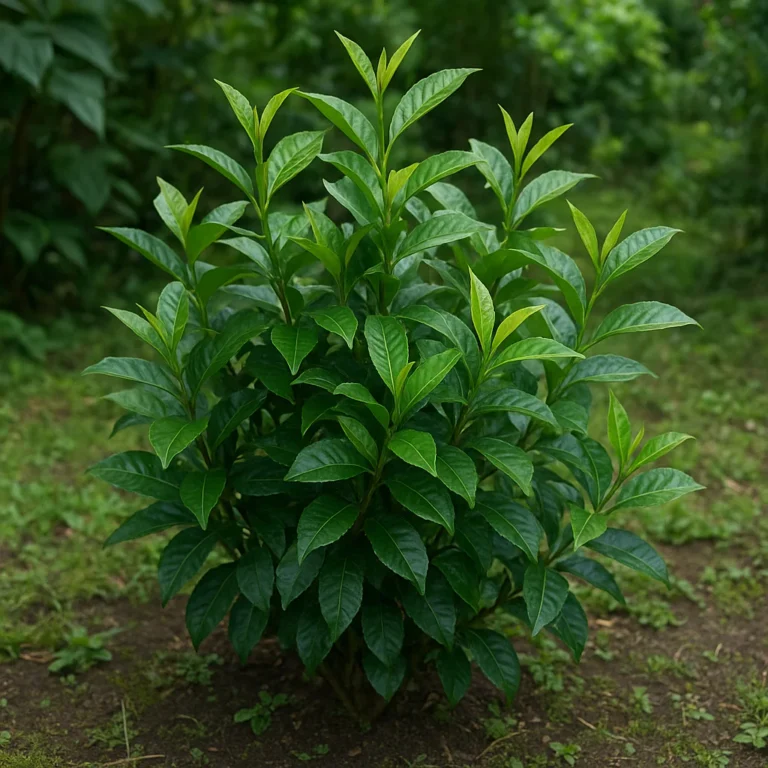
The queen of tea plants, Camellia sinensis var. sinensis is the source of green, white, and olong teas. It’s naturally a shrub but can be pruned to stay compact.
| Feature | Rating (1-10) |
|---|---|
| Ease of Growing | 7 |
| Flavor Quality | 10 |
| Space Efficiency | 6 |
| Light Requirement | 8 |
| Pest Resistance | 6 |
Why we love it: It produces authentic tea leaves with rich flavor. Indors, it needs bright light and humidity but rewards you with the freshest green tea you can imagine.
Drawbacks: Requires patience; slow-growing and sensitive to low humidity.
2. Camellia sinensis var. assamica – Bold Flavors from Compact Plants
This variety is known for robust black teas. It tends to grow larger outdoors but can be managed indoors with pruning.
| Feature | Rating (1-10) |
|---|---|
| Ease of Growing | 6 |
| Flavor Quality | 9 |
| Space Efficiency | 5 |
| Light Requirement | 9 |
| Pest Resistance | 5 |
Pro tip: Use a dwarf cultivar or keep it in a smaller pot to control size.
3. Lemon Balm (Melissa officinalis) – A Citrus Twist for Herbal Tea
Not a true tea plant but a beloved herbal tea herb. Lemon Balm thrives indoors and adds a fresh, lemony aroma to your teas.
| Feature | Rating (1-10) |
|---|---|
| Ease of Growing | 9 |
| Flavor Quality | 8 |
| Space Efficiency | 9 |
| Light Requirement | 6 |
| Pest Resistance | 8 |
Why it’s great: Fast-growing, forgiving, and perfect for small pots or windowsills.
4. Mint Varieties – Pepermint and Spearmint for Refreshing Brews
Mint is a superstar for indoor tea gardens. It’s vigorous, fragrant, and easy to harvest.
| Feature | Rating (1-10) |
|---|---|
| Ease of Growing | 10 |
| Flavor Quality | 8 |
| Space Efficiency | 7 |
| Light Requirement | 5 |
| Pest Resistance | 7 |
Watch out: Mint can be invasive, so keep it contained in pots.
5. Holy Basil (Tulsi) – The Sacred Tea Herb
Holy Basil is revered in Ayurvedic medicine and makes a spicy, aromatic tea.
| Feature | Rating (1-10) |
|---|---|
| Ease of Growing | 8 |
| Flavor Quality | 9 |
| Space Efficiency | 8 |
| Light Requirement | 7 |
| Pest Resistance | 7 |
Bonus: It’s packed with antioxidants and adaptogens, making your tea both tasty and healthful.
6. Rooibos (Aspalathus linearis) – South African Red Tea for Indors
Rooibos is a hardy shrub producing caffeine-free red tea. It’s less common indoors but doable with the right care.
| Feature | Rating (1-10) |
|---|---|
| Ease of Growing | 6 |
| Flavor Quality | 8 |
| Space Efficiency | 7 |
| Light Requirement | 9 |
| Pest Resistance | 8 |
Note: Needs excellent drainage and bright light.
7. Jasmine (Jasminum sambac) – Fragrant Tea Companion Plants
While not a tea plant itself, jasmine is often grown alongside tea for its intoxicating scent that infuses teas.
| Feature | Rating (1-10) |
|---|---|
| Ease of Growing | 7 |
| Flavor Quality | N/A (companion) |
| Space Efficiency | 6 |
| Light Requirement | 7 |
| Pest Resistance | 6 |
🌞 How to Create the Perfect Indoor Environment for Tea Plants
Lighting Requirements: Natural vs. Artificial
Tea plants are sun lovers. Ideally, place them near a south-facing window with filtered light. If natural light is scarce, supplement with LED grow lights like the Spider Farmer SF-100 or VIPARSPECTRA Pro Series. These provide full-spectrum light essential for photosynthesis.
- Tip: Keep grow lights 12-18 inches above plants, running 12-16 hours daily.
- Watch out: Avoid direct harsh sunlight through glass, which can scorch leaves.
Humidity and Temperature Control Tips
Tea plants thrive at 50-70% humidity and temperatures between 65-75°F (18-24°C).
- Use a humidifier or peble trays filled with water to boost humidity.
- Avoid placing plants near heating vents or air conditioners.
- Group plants together to create a microclimate.
Choosing the Right Containers and Soil Mixes
- Use pots with drainage holes to prevent root rot.
- Choose acidic, well-draining soil: a mix of peat moss, perlite, and organic compost works wonders.
- Repot every 2-3 years to refresh soil and prevent root crowding.
💧 Mastering Watering and Fertilizing for Indoor Tea Plants
Watering
- Keep soil consistently moist but not sogy.
- Water when the top inch of soil feels dry.
- Use room-temperature, filtered water if possible to avoid chlorine damage.
Fertilizing
Tea plants are moderate feeders. Use a balanced, acidic fertilizer like Espoma Holly-tone or a diluted liquid seaweed fertilizer.
- Fertilize monthly during the growing season (spring and summer).
- Avoid over-fertilizing, which can cause leaf burn.
For more on feeding your tea plants, explore our Fertilizers for Tea Plants section.
✂️ Pruning and Harvesting: Maximizing Flavor and Growth in Limited Space
Pruning Tips
- Prune regularly to keep plants bushy and compact.
- Remove dead or yellow leaves promptly.
- Don’t remove more than 1/3 of the plant at a time to avoid stress.
Harvesting
- Pick young, tender leaves and buds for the best flavor.
- Harvest in the morning after dew dries for optimal freshness.
- Use shears or pinch leaves gently to avoid damaging stems.
🐞 Pest and Disease Management for Indoor Tea Gardens
Indoor tea plants can attract pests like spider mites, aphids, and mealybugs.
Prevention
- Keep plants clean by wiping leaves with a damp cloth.
- Quarantine new plants before introducing them.
- Maintain good air circulation.
Treatment
- Use neem oil or insecticidal soap sprays.
- For severe infestations, consider introducing beneficial insects like ladybugs.
🛠️ DIY Tips: Building Your Own Mini Greenhouse or Grow Box for Tea
If you’re serious about indoor tea gardening, creating a controlled environment can be a game-changer.
Mini Greenhouse Ideas
- Use a clear plastic storage container with ventilation holes.
- Add a small humidifier or water tray inside.
- Place under grow lights for year-round growth.
Grow Box Setup
- Build or buy a wooden box lined with reflective material.
- Install adjustable LED grow lights.
- Include a small fan for air circulation.
This DIY approach lets you control light, humidity, and temperature precisely, boosting your tea plant’s health.
🍵 How to Process and Brew Your Homegrown Tea Leaves
Once you’ve harvested your leaves, the fun begins!
Processing Basics
- Green Tea: Quickly steam or pan-fry leaves to stop oxidation, then dry.
- Black Tea: Allow leaves to wither, roll, and fully oxidize before drying.
- Herbal Teas: Dry leaves and flowers slowly in a dark, ventilated space.
Brewing Tips
- Use fresh, filtered water heated to the right temperature (usually 160-185°F for green teas, 200-212°F for black).
- Step leaves for 2-5 minutes depending on type.
- Experiment with blends—try mixing your mint and lemon balm harvests for a refreshing twist!
📦 Where to Buy Quality Tea Seeds and Seedlings for Indoor Growing
Finding reliable seeds or seedlings is crucial. Here are trusted sources:
| Supplier | What They Offer | Notes |
|---|---|---|
| Raintree Nursery | Camellia sinensis seedlings | Widely recommended for quality stock |
| Baker Creek Heirloom Seeds | Lemon Balm, Mint, Holy Basil seeds | Non-GMO, heirloom varieties |
| Mountain Rose Herbs | Organic herbal seeds and plants | Great for herbal tea varieties |
| Amazon | Wide selection of seeds and grow kits | Check reviews for best sellers |
👉 CHECK PRICE on:
- Camellia sinensis seedlings: Amazon | Raintree Nursery
- Herbal tea seeds (Mint, Lemon Balm, Tulsi): Amazon | Baker Creek
💡 Troubleshooting Common Problems When Growing Tea Indors
Problem: Yellowing Leaves
- Cause: Overwatering or poor drainage.
- Fix: Let soil dry slightly; repot if drainage is poor.
Problem: Legy Growth
- Cause: Insufficient light.
- Fix: Move closer to window or add grow lights.
Problem: Leaf Drop
- Cause: Suden temperature changes or drafts.
- Fix: Stabilize environment; avoid vents.
Problem: Pests
- Cause: Dry air or overcrowding.
- Fix: Increase humidity; treat with neem oil.
🎉 Fun Facts and Anecdotes from Our Indoor Tea Growing Journey
Did you know? Our lead grower once rescued a struggling Camellia sinensis plant from a local nursery that was nearly dead. With a little love, proper pruning, and a grow light upgrade, it not only survived but thrived—producing enough leaves for a fresh pot of green tea every week! 🍵
Another fun tidbit: Lemon Balm is like the “party herb” of our indoor garden. It grows so fast and smells so amazing that visitors often ask if they can take cutings home. It’s the perfect herb for beginners who want quick results.
And here’s a teaser: We’ll soon share a secret blend of indoor-grown teas that combines Tulsi, Mint, and Jasmine to create a calming, aromatic brew that’s become our team’s favorite after a long day. Stay tuned!
For a practical take on indoor herbal tea gardening, check out this insightful YouTube video that covers space-saving tips, pest management, and favorite herbs like mint and lemon balm. It’s a great companion to our guide!