Support our educational content for free when you purchase through links on our site. Learn more
🌱 Black vs. Green vs. White Tea: The Soil Secrets Revealed (2026)

The single most critical difference between growing black, green, and white tea lies in their soil pH tolerance and drainage needs: black tea thrives in richer, slightly less acidic loam, while green and white teas demand increasingly acidic, fast-draining, and often rockier soils to develop their delicate flavors.
You might assume that since all true tea comes from the same plant, Camellia sinensis, the dirt beneath it doesn’t matter much. You would be wrong. When we first tried to grow a prized Silver Needle white tea bush in our standard garden loam, it survived but produced leaves that tasted like wet cardboard instead of honey.
This brings us to the burning question: What are the differences between soil requirements for black, green, and white tea? The answer isn’t just about acidity; it’s about how the soil’s texture and mineral content dictate the plant’s chemical makeup before a single leaf is plucked.
Did you know that the malty punch of an Assam black tea is directly linked to the alluvial clay soils of India, whereas the umami sweetness of Japanese Matcha relies on volcanic ash soils? It turns out the earth beneath the roots is just as important as the tea master’s hand.
Key Takeaways
- Black Tea flourishes in rich, loamy to clay-loam soils with a pH between 5.5 and 6.5, supporting rapid growth and robust flavor.
- Green Tea requires sandy-loam soils with excellent drainage and a pH of 5.0 to 6.0 to preserve delicate amino acids and prevent bitterness.
- White Tea is the most finicky, demanding highly acidic (4.5–5.5), rocky, and fast-draining soils often found at high altitudes to achieve its subtle floral notes.
- Drainage is non-negotiable for all varieties; waterlogged roots will ruin the harvest regardless of the tea type.
- Soil pH directly controls flavor: Higher pH favors boldness (black tea), while lower pH enhances sweetness and umami (green/white tea).
Table of Contents
- ⚡️ Quick Tips and Facts
- 🌱 From Leaf to Cup: A Brief History of Tea Cultivation
- 🏔️ The Teroir Triangle: How Altitude and Climate Shape Soil Needs
- 🧪 Decoding the Dirt: Essential Soil pH, Texture, and Drainage for Camellia sinensis
- 🍵 1. Black Tea Soil Requirements: Embracing Rich, Well-Aerated Earth
- 🌿 2. Green Tea Soil Requirements: Seeking Cool, Moist, and Acidic Conditions
- 🌸 3. White Tea Soil Requirements: The Delicate Balance of High-Altitude Loam
- ⚖️ Head-to-Head: Comparing Soil Needs Across Black, Green, and White Varieties
- 🌍 Global Soil Profiles: Famous Tea Regions and Their Unique Earth
- 🛠️ Cultivation Secrets: Preparing Your Garden Bed for Optimal Growth
- 🚫 Common Soil Mistakes That Ruin Your Tea Harvest
- 💧 Water Management: The Sibling of Soil Health in Tea Farming
- 🌱 Organic vs. Conventional: Fertilizing Strategies for Different Tea Types
- 🔬 The Science of Flavor: How Soil Composition Directly Impacts Taste and Aroma
- 🌏 An Overview of Germany’s Favorite Tea Varieties and Their Soil Origins
- 🏆 Conclusion
- 🔗 Recommended Links
- ❓ FAQ
- 📚 Reference Links
⚡️ Quick Tips and Facts
Before we grab our shovels and start digging into the dirt, let’s hit the rewind button on a few common misconceptions. Here at Growing Teas™, we’ve seen more than a few gardeners try to force a delicate white tea bush into heavy clay or drown a robust black tea plant in a bog. Spoiler alert: it rarely ends well.
- The Great Myth: Black, green, and white teas are different species. False! They all come from the same plant: Camellia sinensis. The difference lies entirely in how they are processed and where they grow.
- The Soil Truth: While the plant is the same, its soil preferences shift dramatically based on the desired end product. A soil that makes a bold Assam black tea might produce a bitter, grassy mess if you tried to grow white tea in it.
- The pH Sweet Spot: Most Camellia sinensis varieties crave acidic soil, but the “sweet spot” varies. We’re talking ranges between 4.5 and 6.5.
- Drainage is King: No matter the tea type, waterlogged roots are the fastest way to kill your plant. If your soil holds water like a sponge, you’re in trouble.
For a deep dive into the foundational elements of your garden bed, check out our guide on What kind of soil is best for growing tea?.
🌱 From Leaf to Cup: A Brief History of Tea Cultivation

You might think tea has always been a global commodity, but its journey began in the misty mountains of Yunnan, China, thousands of years ago. Legend has it that Emperor Shen Nung discovered tea in 2737 BC when leaves from a wild bush drifted into his boiling water. But the real story of soil begins when humans started cultivating rather than just foraging.
The Ancient Roots of Teroir
Long before we had pH meters, ancient farmers noticed that tea bushes on sloping hillsides with volcanic soil tasted different from those in the flat, alluvial plains. This concept, known as teroir, is the soul of tea.
- China: The birthplace of all true tea. Early cultivators in Fujian and Yunnan realized that high-altitude, rocky soils produced the most delicate leaves, perfect for what we now call white and green teas.
- India: In the 19th century, the British East India Company discovered wild tea in Assam. The soil there was rich, alluvial, and heavy, perfect for the robust, malty black tea the British craved.
- Japan: Japanese monks brought tea seeds from China, but the temperate, humid climate and sandy-loam soils of regions like Uji led to the development of unique green tea varieties like Matcha and Sencha.
“The flavor profile of tea is dependent on the growing regions, including their weather conditions and soil characteristics.” — Paper and Tea
This historical divergence is why we can’t just plant a black tea bush anywhere and expect it to taste like Earl Grey. The soil dictates the chemical composition of the leaf, which the processing then amplifies.
🏔️ The Teroir Triangle: How Altitude and Climate Shape Soil Needs
Wait, isn’t this about soil? Yes, but soil doesn’t exist in a vacuum. It’s part of a triangular relationship with altitude and climate. You can’t talk about soil requirements without understanding where that soil sits on the map.
Altitude: The Elevation Effect
As you climb higher, the temperature drops, and the growing season slows down.
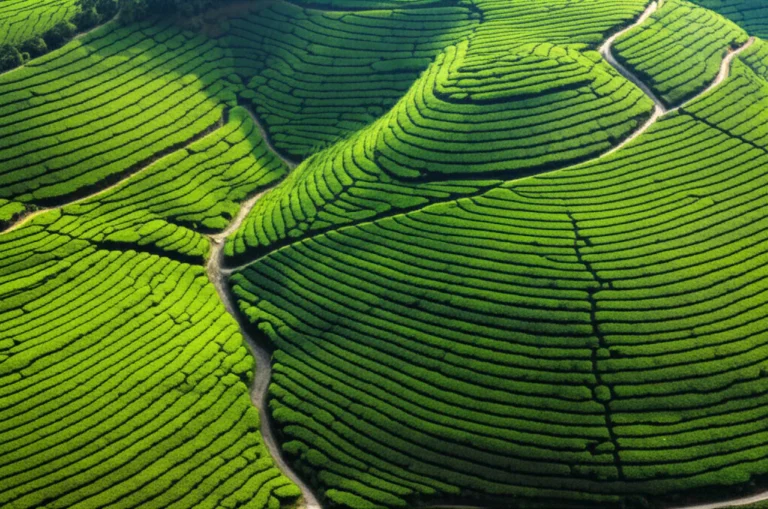
- High Altitude (1,50m+): Found in Darjeling and Taiwan. The soil here is often thin, rocky, and well-drained. The slow growth allows the plant to concentrate flavor compounds and essential oils. This is prime real estate for white tea and high-grade green tea.
- Low Altitude (Sea Level to 50m): Found in Assam and Kenya. The soil is deep, fertile, and often clay-heavy. The heat accelerates growth, producing large, robust leaves ideal for black tea.
Climate: The Rain Factor
- Monsoon Climates: Heavy rainfall requires soil with exceptional drainage. If the soil stays wet, the roots rot. This is why Assam tea gardens often have raised beds.
- Mist and Fog: Common in Fujian and Yunnan. These conditions keep the soil moist but not saturated, preserving the delicate amino acids (like theanine) crucial for white tea and green tea.
🧪 Decoding the Dirt: Essential Soil pH, Texture, and Drainage for Camellia sinensis
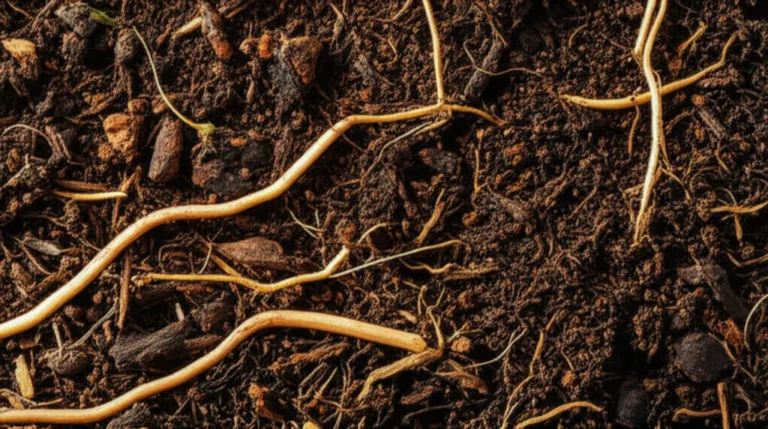
Let’s get our hands dirty. Literally. If you want to grow tea, you need to understand the three pillars of soil health: pH, texture, and drainage.
1. Soil pH: The Acid Test
Camellia sinensis is an acid-loving plant. It thrives in acidic conditions.
- Ideal Range: pH 4.5 to 6.0.
- Why it matters: In alkaline soil (pH > 7.0), the plant cannot absorb iron and manganese, leading to chlorosis (yellowing leaves) and stunted growth.
- The Nuance: While all tea likes acid, black tea can tolerate a slightly higher pH (up to 6.5) compared to the finicky white tea, which prefers the lower end (4.5–5.5).
2. Soil Texture: The Goldilocks Zone
You need a balance between water retention and aeration.
- Sandy Soil: Drains too fast, dries out the roots. Good for white tea if amended with organic matter.
- Clay Soil: Holds too much water, suffocates roots. Good for black tea if the structure is broken up.
- Loam: The perfect mix of sand, silt, and clay. This is the holy grail for green tea.
3. Drainage: The Lifeblood
Waterlogging is the number one killer of tea plants.
- The Rule: Water should pass through the soil profile within 24 hours of heavy rain.
- The Fix: If your soil is heavy, add perlite, coarse sand, or compost to improve structure.
🍵 1. Black Tea Soil Requirements: Embracing Rich, Well-Aerated Earth
Black tea is the workhorse of the tea world. It’s robust, forgiving, and thrives in conditions that would stress out a delicate white tea bush.
The Ideal Profile
- pH: 5.5 to 6.5. It’s slightly more tolerant of neutral soils.
- Texture: Loamy to Clay-Loam. It needs a soil that holds nutrients well.
- Drainage: Good, but it can handle slightly heavier moisture than other types.
- Nutrients: High demand for nitrogen to support rapid leaf growth.
Why This Soil Works
Black tea leaves are harvested when they are mature and larger. The soil needs to support this vigorous growth. The clay content helps retain the nitrogen and potassium needed for the full oxidation process that creates that signature malty flavor.
Pro Tip: If you’re growing Assam-style black tea, mimic the alluvial soil of India. Mix in plenty of aged compost and well-roted manure to boost fertility.
Common Pitfalls
- ❌ Too much sand: The plant will grow, but the leaves will be thin and lack the body needed for a good black tea.
- ❌ Alkaline soil: The leaves will turn yellow, and the flavor will be flat.
🌿 2. Green Tea Soil Requirements: Seeking Cool, Moist, and Acidic Conditions
Green tea is the sensitive artist of the group. It requires a soil environment that preserves the chlorophyll and amino acids (like theanine) that give it that umami and grassy profile.
The Ideal Profile
- pH: 5.0 to 6.0. It needs a consistently acidic environment.
- Texture: Sandy-Loam. It needs to drain well to prevent root rot, but retain enough moisture to keep the leaves tender.
- Drainage: Excellent. Green tea plants hate “wet feet.”
- Nutrients: Balanced nitrogen and phosphorus. Too much nitrogen can make the tea too bitter.
The Japanese Influence
In Japan, where Sencha and Matcha are king, the soil is often volcanic ash based. This soil is naturally acidic, porous, and rich in minerals. It allows for the rapid drainage needed in humid climates while holding just enough moisture to keep the leaves plump.
Did You Know? The steaming process used in Japanese green tea is designed to stop oxidation immediately. The soil must support a leaf that is chemically “alive” and full of enzymes until the moment of harvest.
Cultivation Secrets
- Mulching: Essential for green tea. A thick layer of organic mulch keeps the soil cool and moist, mimicking the forest floor conditions of its native habitat.
- Shade: Many green tea varieties (like Gyokuro) are grown under shade. The soil under shade retains moisture longer, so drainage is even more critical.
🌸 3. White Tea Soil Requirements: The Delicate Balance of High-Altitude Loam
White tea is the diva. It demands the most specific conditions. If the soil isn’t perfect, the subtle floral and honey notes vanish, replaced by astringency.
The Ideal Profile
- pH: 4.5 to 5.5. It needs to be highly acidic.
- Texture: Sandy-Loam with high organic matter. It must be light and airy.
- Drainage: Superior. White tea is often grown on mountain slopes where water runs off quickly.
- Nutrients: Low to moderate. White tea comes from young buds and the first two leaves. The plant doesn’t need the massive nitrogen boost that black tea does. In fact, too much nitrogen can ruin the delicate flavor.
The “Frost in the Soil” Rule
As noted in our research, white tea harvesters in Fujian will not pick if there is frost in the soil. This indicates the soil temperature is too low, which can damage the delicate buds. The soil must be warm enough to support the rapid, tender growth of the spring flush.
Why High Altitude Matters
White tea is almost exclusively grown at high elevations. The soil here is often rocky and thin. This stress forces the plant to produce more secondary metabolites (flavor compounds), resulting in the complex, floral profile we love.
⚖️ Head-to-Head: Comparing Soil Needs Across Black, Green, and White Varieties
Let’s put them all in one place. It’s time to see how they stack up.
| Feature | Black Tea | Green Tea | White Tea |
|---|---|---|---|
| pH Range | 5.5 – 6.5 (Most Tolerant) | 5.0 – 6.0 (Moderate) | 4.5 – 5.5 (Most Acidic) |
| Texture | Loam to Clay-Loam | Sandy-Loam | Sandy-Loam / Rocky |
| Drainage | Good | Excellent | Superior (Fast) |
| Nutrient Demand | High (Nitrogen) | Moderate (Balanced) | Low to Moderate |
| Ideal Location | Lowlands, Valeys | Mid-Altitude, Humid | High Altitude, Slopes |
| Key Flavor Driver | Robustness, Malt | Umami, Grass | Floral, Honey, Delicacy |
| Harvest Timing | Mature Leaves | Young Leaves | Buds & First 2 Leaves |
🌍 Global Soil Profiles: Famous Tea Regions and Their Unique Earth
Let’s travel the world and see how soil defines the tea.
1. Assam, India (Black Tea)
- Soil Type: Alluvial, rich in silt and clay.
- Characteristics: Deep, fertile, and holds moisture well.
- Result: Large, dark leaves with a malty, bold flavor. The soil’s high nutrient content supports the rapid growth needed for multiple harvests a year.
2. Darjeling, India (Black/Green/White)
- Soil Type: Sandy-loam with rocky inclusions.
- Characteristics: Well-drained, acidic, and located at high altitudes.
- Result: The “Champagne of Teas.” The soil stress creates a floral, muscatel flavor profile that is unique to the region.
3. Fujian, China (White & Green Tea)
- Soil Type: Red earth (laterite) and granite-derived soils.
- Characteristics: Highly acidic, mineral-rich, and often found on misty mountains.
- Result: The Silver Needle white tea gets its silvery appearance and sweet flavor from the specific mineral balance of this soil.
4. Uji, Japan (Green Tea)
- Soil Type: Volcanic ash and sandy loam.
- Characteristics: Excellent drainage, naturally acidic, rich in trace minerals.
- Result: The deep umami and sweetness of Matcha and Gyokuro. The soil allows the plant to thrive in the humid, rainy climate without roting.
🛠️ Cultivation Secrets: Preparing Your Garden Bed for Optimal Growth
Ready to plant? Don’t just throw the seed in the ground. You need to prepare the stage.
Step 1: Test Your Soil
Before you do anything, get a soil test kit. You need to know your pH and nutrient levels.
- Action: If pH is too high (alkaline), add sulfur or peat moss.
- Action: If pH is too low (too acidic), add a tiny bit of lime (but be careful, tea hates lime!).
Step 2: Amend the Soil
- For Black Tea: Mix in aged compost and well-roted manure to boost fertility.
- For Green/White Tea: Mix in coarse sand and pine bark fines to improve drainage and acidity.
Step 3: Planting Technique
- Spacing: Tea bushes need room to breathe. Space them 1.5 to 2 meters apart.
- Depth: Plant the root ball at the same depth it was in the pot. Do not bury the stem.
- Mulch: Apply a 2-3 inch layer of pine needles or shredded leaves. This keeps the soil acidic and moist.
Check out our guide on Organic Farming Techniques for more tips on building healthy soil without chemicals.
🚫 Common Soil Mistakes That Ruin Your Tea Harvest
We’ve seen it all. Here are the deadly sins of tea gardening.
- Ignoring Drainage: Planting in a low spot where water pools. Result: Root rot, dead plant.
- Using Garden Soil: Regular garden soil is often too heavy or alkaline. Result: Chlorosis, stunted growth.
- Over-Fertilizing: Especially with high-nitrogen fertilizers. Result: Bitter, astringent tea with no flavor complexity.
- Wrong pH: Trying to grow white tea in neutral soil. Result: The plant will survive, but the tea will taste like grass water.
- Compacting the Soil: Walking on the roots or tilling too deeply. Result: Poor aeration, shallow root systems.
💧 Water Management: The Sibling of Soil Health in Tea Farming
Soil and water are inseparable. You can have the perfect soil, but if you water it wrong, you’re doomed.
- Frequency: Tea plants like consistent moisture, but not sogginess. Water when the top inch of soil feels dry.
- Method: Drip irrigation is the best. It delivers water directly to the roots and keeps the leaves dry (preventing fungal diseases).
- Quality: Avoid hard water (high in calcium) if possible, as it can raise the soil pH over time. Rainwater is ideal.
Pro Tip: In the dry season, mulch heavily to retain moisture. In the wet season, ensure your drainage channels are clear.
🌱 Organic vs. Conventional: Fertilizing Strategies for Different Tea Types
How do you feed your tea? Organic or chemical?
Organic Approach (Recommended)
- Benefits: Improves soil structure, adds beneficial microbes, and produces better flavor.
- What to Use: Compost, fish emulsion, bone meal, and kelp meal.
- Strategy: Apply compost in the spring and fall. Use fish emulsion as a liquid feed during the growing season.
Conventional Approach
- Benefits: Fast results, precise nutrient control.
- What to Use: NPK fertilizers (Nitrogen, Phosphorus, Potassium).
- Strategy: Use a balanced fertilizer (e.g., 10-10-10) for black tea. Use a low-nitrogen formula for white tea to avoid bitterness.
Explore our Fertilizers for Tea Plants category for specific product recommendations.
🔬 The Science of Flavor: How Soil Composition Directly Impacts Taste and Aroma
Why does Assam taste like malt and Darjeling taste like floral? It’s the soil.
- Nitrogen: High nitrogen levels (common in rich, lowland soils) lead to rapid growth and high caffeine content. This creates the bold, robust flavor of black tea.
- Theanine: This amino acid is responsible for umami and sweetness. It thrives in cool, shaded, high-altitude soils with good drainage. This is the secret behind green and white tea.
- Minerals: Trace minerals like magnesium and iron from volcanic soil contribute to the complexity and aftertaste of the tea.
“In addition to the growing conditions in the country of origin, the various production methods significantly influence the outcome.” — Paper and Tea
But remember, without the right soil, the processing can’t save the tea. The soil provides the raw material; the processing just reveals it.
🌏 An Overview of Germany’s Favorite Tea Varieties and Their Soil Origins
Germany is a tea-loving nation, second only to the UK in per capita consumption. But what do Germans drink, and where does it come from?
- Black Tea: The most popular. Germans love Assam and Ceylon blends. These come from rich, alluvial soils in India and Sri Lanka.
- Green Tea: Growing in popularity. Often sourced from Japan (Uji, Shizuoka) where the volcanic soil produces the umami flavor Germans appreciate.
- White Tea: A niche but growing market. Sourced from Fujian, China, grown in acidic, high-altitude soils.
Germans also have a unique tradition of growing tea in the East Frisia region, where they create their own blends using Assam and Ceylon leaves, often served with cream and sugar. The soil in East Frisia is sandy and acidic, but they don’t grow tea there; they just brew it!
Curious about the health benefits of these varieties? Check out our Health Benefits of Tea section.
🎥 Featured Video: The Oxidation Connection
You might be wondering, “If the soil is so different, why do they all come from the same plant?”
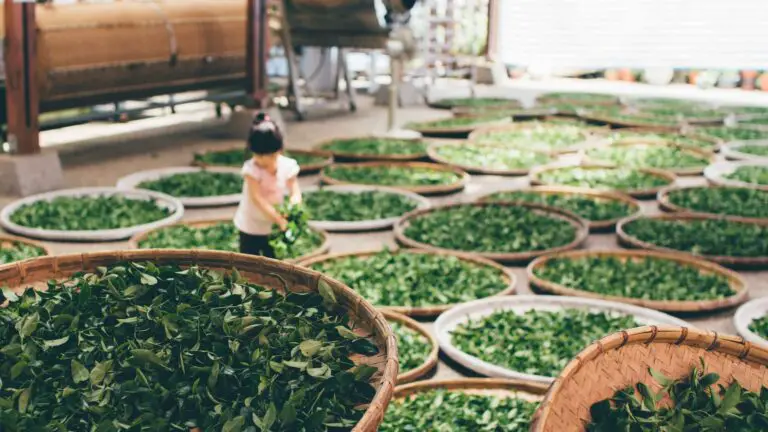
The answer lies in oxidation. As the “first YouTube video” in our series explains, the processing is what creates the difference. White tea is the easiest to make because it’s just withered and dried. Black tea is fully oxidized. Green tea is heat-treated to stop oxidation.
But the soil determines the potential of the leaf. A leaf grown in poor soil will never make great tea, no matter how you process it. The soil provides the chemical building blocks for the flavor.
Watch the full video here: The Oxidation Connection
🏆 Conclusion

So, what’s the verdict? Can you grow all three types of tea in the same garden?
Yes, but with a catch. You can grow Camellia sinensis in one spot, but to get the distinct flavors of black, green, and white tea, you need to mimic their native soil conditions.
- Black Tea: Needs rich, loamy, slightly acidic soil with good drainage.
- Green Tea: Needs sandy-loam, acidic soil with excellent drainage and consistent moisture.
- White Tea: Needs highly acidic, rocky, well-drained soil, ideally at high altitude.
If you’re a beginner, start with black tea. It’s the most forgiving. If you’re an expert looking for a challenge, try white tea. It will test your soil management skills to the limit.
Final Recommendation:
- For the Bold: Go for Assam or Ceylon varieties. They thrive in fertile, loamy soil.
- For the Delicate: Choose Darjeling or Fujian varieties. They need acidic, well-drained, high-altitude conditions.
Remember, soil is the foundation. Without the right dirt, you can’t have the right tea. Happy growing!
🔗 Recommended Links
Ready to get your hands dirty? Here are the tools and resources you need to start your tea garden.
- Soil Test Kits:
Luster Leaf Rapitest: Amazon | Walmart
Thorne Soil Test Kit: Brand Official - Tea Plant Seeds & Seedlings:
Growing Teas™ Camellia sinensis: Growing Teas Shop
Assam Black Tea Seeds: Amazon
Japanese Green Tea Seeds: Etsy - Books:
“The Tea Garden: A Guide to Growing Your Own Tea” by Jane Pettigrew: Amazon
“Tea: A Global History” by Elizabeth L. Ross: Amazon
❓ FAQ

How does soil pH affect the flavor profile of black versus green tea?
Soil pH directly influences the availability of nutrients like nitrogen and manganese.
- Black Tea: Prefers a slightly higher pH (5.5-6.5). This allows for robust nitrogen uptake, leading to higher caffeine and polyphenol content, which translates to a bold, malty, and astringent flavor.
- Green Tea: Thrives in lower pH (5.0-6.0). This acidic environment preserves theanine and chlorophyll, resulting in a sweet, umami, and grassy profile. If the pH is too high, the tea becomes bitter and loses its delicate aroma.
What soil amendments are best for growing white tea plants?
White tea is the most demanding. To mimic its native high-altitude environment:
- Peat Moss: To lower pH and increase acidity.
- Coarse Sand or Perlite: To ensure superior drainage.
- Pine Bark Fines: To add organic matter and maintain acidity.
- Avoid: Heavy clay or lime, which will raise the pH and ruin the delicate flavor.
Read more about “🌱 How Often to Fertilize Tea Plants: The 2026 Guide for Optimal Soil Health”
Can black and green tea be grown in the same soil conditions?
Technically yes, but not optimally.
- You can grow both in a neutral loam, but the black tea might lack body, and the green tea might become bitter.
- Recommendation: If you have limited space, aim for a compromise (pH 5.5) and use mulch to adjust the micro-environment. However, for the best flavor, separate beds with different soil mixes are ideal.
Read more about “🌱 Can I Grow Tea Plants in Containers? The 2026 Verdict”
How does drainage impact the quality of white tea leaves?
Drainage is critical for white tea.
- Poor Drainage: Leads to root rot and fungal diseases, which destroy the delicate buds.
- Good Drainage: Forces the roots to dig deeper, absorbing more minerals and flavor compounds. It also prevents the leaves from becoming waterlogged, which dilutes the floral and honey notes.
- Result: Well-drained soil produces higher quality white tea with a complex, nuanced flavor.
Read more about “🌱 7 Steps to Perfect Soil Preparation for Tea Plantation (2026)”
📚 Reference Links
- Paper and Tea: Difference Between Black, White, Green Tea
- Osterlandsk: White Tea Origins and Varieties
- Redcup Beverage: Differences Between Black, Green, White, and Red Teas
- Growing Teas™: What kind of soil is best for growing tea?
- Growing Teas™: Green Tea Cultivation
- Growing Teas™: Organic Farming Techniques
- Growing Teas™: Health Benefits of Tea
- Growing Teas™: Fertilizers for Tea Plants