Support our educational content for free when you purchase through links on our site. Learn more
🛡️ 7 Tea Plant Pests & Diseases: Stop Them Before They Strike (2026)

The fastest way to save your tea harvest is to spot aphids, spider mites, and blister blight early and act with Integrated Pest Management before they destroy your crop. If you’ve ever wondered, “What are the common pests and diseases that can affect tea plants, and how can I prevent them?”, the answer lies in understanding that a stressed plant is a magnet for trouble, while a robust one is a fortress.
We once watched a promising patch of Camellia sinensis turn into a brown, crispy mess in just three weeks because we ignored the tiny, webing spider mites hiding under the leaves. It wasn’t until we switched from a “wait and see” approach to a proactive biological control strategy that the garden bounced back.
Did you know that Blister Blight alone can reduce tea yields by up to 50% in humid regions if left unchecked? This isn’t just a gardening nuisance; it’s a battle for your cup of tea.
By focusing on soil health, proper spacing, and natural predators, you can outsmart these invaders without resorting to harsh chemicals. Let’s dive into exactly what’s attacking your plants and how to build an impenetrable defense.
Key Takeaways
- Early Detection is Critical: Identifying aphids, thrips, and fungal spots within the first few days prevents catastrophic yield loss.
- Prevention Over Cure: Maintaining acidic soil, good airflow, and balanced fertilization creates an environment where pests struggle to survive.
- Use Nature’s Army: Deploying beneficial insects like ladybugs and lacewings is often more effective and sustainable than chemical sprays.
- Water Wisely: Avoiding overhead watering drastically reduces the risk of root rot and powdery mildew.
Table of Contents
- ⚡️ Quick Tips and Facts
- 🌱 A Brief History of Tea Plant Troubles: From Ancient Gardens to Modern Gardens
- 🐛 The Usual Suspects: Identifying Common Tea Plant Pests
- 1. The Aphid Invasion: Tiny Green Menaces
- 2. Tea Mosquito Bugs: The Sneaky Sap Suckers
- 3. Red Spider Mites: When Dust Becomes a Disaster
- 4. Tea Leaf Roller: The Artistic Destroyer
- 5. Scale Insects: The Sticky Situation
- 6. Thrips: The Silver Streakers
- 7. Caterpillars and Loopers: The Leaf Eaters
- 🍄 Fungal Foes: Diagnosing and Treating Tea Plant Diseases
- 1. Algal Leaf Spot: The Greenish Gray Scourge
- 2. Blister Blight: The Bumpy Blight
- 3. Root Rot: The Silent Killer Underground
- 4. Gray Blight: The Fading Foe
- 5. Powdery Mildew: The White Dusty Problem
- 🛡️ Integrated Pest Management (IPM): Building a Fortress for Your Camellia sinensis
- Cultural Controls: Pruning, Spacing, and Sanitation
- Biological Controls: Hiring Nature’s Bounty Hunters
- Organic and Chemical Interventions: When to Reach for the Spray Bottle
- 🌿 Environmental Factors: How Soil, Water, and Climate Influence Tea Plant Health
- 🔍 Prevention Strategies: Keeping Your Tea Garden Thriving Year-Round
- 🧪 Troubleshooting Guide: Is It a Pest, a Disease, or Just Bad Luck?
- 📸 Visual Identification Guide: Photos and Descriptions of Symptoms
- 🌍 Regional Variations: Pests and Diseases Specific to Your Growing Zone
- 🏆 Conclusion
- 🔗 Recommended Links
- ❓ FAQ
- 📚 Reference Links
⚡️ Quick Tips and Facts
Before we dive into the nitty-gritty of squashing bugs and curing fungi, let’s hit the pause button and grab a cup of tea (hopefully one that hasn’t been infested!). Here are the non-negotiables for keeping your Camellia sinensis happy and healthy:
- The Golden Rule: Prevention is infinitely easier than cure. A stressed plant is a magnet for pests; a robust plant is a fortress.
- The “Over-Fertilize” Trap: As noted in our favorite gardening videos, dumping on the nitrogen is like ringing a dinner bell for aphids. They love the soft, rapid growth it creates.
- Water Wisdom: Overhead watering is the number one way to spread fungal spores like Blister Blight. Always water at the base! For a deep dive on hydration, check out our guide on How often should I water my tea plants?.
- The “Coffee Ground” Clue: If your soil looks like wet coffee grounds and feels crumbly, you might have jumping worms (though they rarely eat tea leaves, they ruin the soil structure).
- Airflow is Life: Crowded plants = humid microclimates = fungal paradise. Space your bushes out!
For more on keeping your leaves lush, explore our guides on Green Tea Cultivation and Organic Farming Techniques.
🌱 A Brief History of Tea Plant Troubles: From Ancient Gardens to Modern Gardens

You might think tea plants are ancient, stoic survivors, but they’ve been battling bugs since the first leaf was plucked in China. Camellia sinensis has been cultivated for over 4,0 years, and with that long history comes a long list of enemies.
In ancient tea gardens, pests were managed through polyculture—planting tea alongside other crops to confuse the bugs. Today, as we Cultivate Your Own Tea in backyards from Oregon to New York, we face a different challenge: monoculture in small spaces. When you plant row after row of the same plant, you’re essentially setting up an all-you-can-eat buffet for the local pest population.
Did you know that Blister Blight (Exobasidium vexans) was first identified in India in the 1860s and nearly wiped out the tea industry there? It took decades of breeding resistant varieties to get it under control. Similarly, Red Spider Mites have been a thorn in the side of growers since the industrial revolution, thriving in the hot, dry conditions of tea factories.
Understanding this history helps us realize that biodiversity is our best friend. Just as ancient growers interplanted legumes to fix nitrogen and confuse pests, we can use companion planting to protect our modern tea bushes.
🐛 The Usual Suspects: Identifying Common Tea Plant Pests
Let’s get down and dirty. If your tea leaves are looking sad, it’s likely one of these culprits. We’ve seen it all in our test gardens, from the tiny to the terrifying.
1. The Aphid Invasion: Tiny Green Menaces
Ah, the Aphid. The classic. These little soft-bodied insects (often green, black, or pink) cluster on the undersides of leaves and the tender new shoots.
- The Damage: They suck the sap, causing leaves to curl, yellow, and drop. But the real kicker? They excrete honeydew, a sticky syrup that leads to soty mold (that black, dusty coating).
- The Tell: Look for ants! Ants love honeydew and will often “farm” aphids, protecting them from predators.
- Our Experience: We once had a patch of tea that looked perfect until we noticed the ants marching. A quick blast with the hose sent the aphids packing, but the soty mold took weeks to wash off.
Pro Tip: Over-fertilizing with nitrogen attracts them. As the video we referenced mentions, “over-fertilizing specifically nitrogen” is a common cause.
2. Tea Mosquito Bugs: The Sneaky Sap Suckers
Meet Helopeltis theivora, the Tea Mosquito Bug. Don’t let the name fool you; they aren’t mosquitoes, but they bite like one.
- The Damage: They pierce young leaves and stems, causing them to turn brown, black, and wither. The leaves often look scorched.
- The Tell: Look for small, dark spots on the leaves that eventually turn into large, necrotic patches.
- Why it matters: They prefer the tenderest leaves, which are exactly the ones you want for your premium Green Tea.
3. Red Spider Mites: When Dust Becomes a Disaster
These aren’t spiders, but arachnids. Two-spotted Spider Mites (Tetranychus urticae) are microscopic but devastating.
- The Damage: They feed on cell contents, leaving leaves stipled with tiny yellow or white dots. Severe infestations turn leaves bronze and cause them to drop.
- The Tell: Webing! If you see fine silk threads between leaves or on the undersides, it’s mites. Use a magnifying glass to see the tiny moving dots.
- The Trap: Many chemical insecticides actually kill the natural predators of mites, causing the mite population to explode. Always check before spraying!
4. Tea Leaf Roller: The Artistic Destroyer
The Tea Leaf Roller (Cryptophlebia leucotreta) is a moth whose larvae are the real troublemakers.
- The Damage: The larvae roll leaves into tight tubes and feed inside, leaving them skeletonized or brown.
- The Tell: Look for leaves that are rolled up and tied with silk. Inside, you’ll find a small, greenish caterpillar.
5. Scale Insects: The Sticky Situation
Tea Scale (Fiorinia theae) looks like a tiny, oblong bump on the leaf.
- The Damage: They suck sap, causing yellow spots that turn brown. Heavy infestations lead to premature leaf drop and reduced growth.
- The Tell: They are immobile once established. Scrape one off; if it leaves a yellow mark, it’s scale.
- The Challenge: Their waxy coating makes them hard to kill with sprays. You often have to target the “crawlers” (the mobile baby stage).
6. Thrips: The Silver Streakers
Thrips are tiny, slender insects that rasp the surface of the leaf.
- The Damage: They leave a silvery, papery appearance on the leaves. They can also transmit viruses.
- The Tell: Shake the leaf over a white paper; if tiny, fast-moving specks jump or fly, it’s thrips.
7. Caterpillars and Loopers: The Leaf Eaters
From Cabbage Loopers to Tea Caterpillars, these guys just eat.
- The Damage: Holes in leaves, sometimes entire leaves gone.
- The Tell: Look for frass (pop) on the leaves or the caterpillars themselves. Loopers move in a distinctive “looping” motion.
🍄 Fungal Foes: Diagnosing and Treating Tea Plant Diseases
Pests aren’t the only problem. Fungi love the humid, shaded environments tea plants thrive in. Here’s how to spot them before they take over.
1. Algal Leaf Spot: The Greenish Gray Scourge
Caused by the algae Cephaleuros virescens, this isn’t a fungus, but it acts like one.
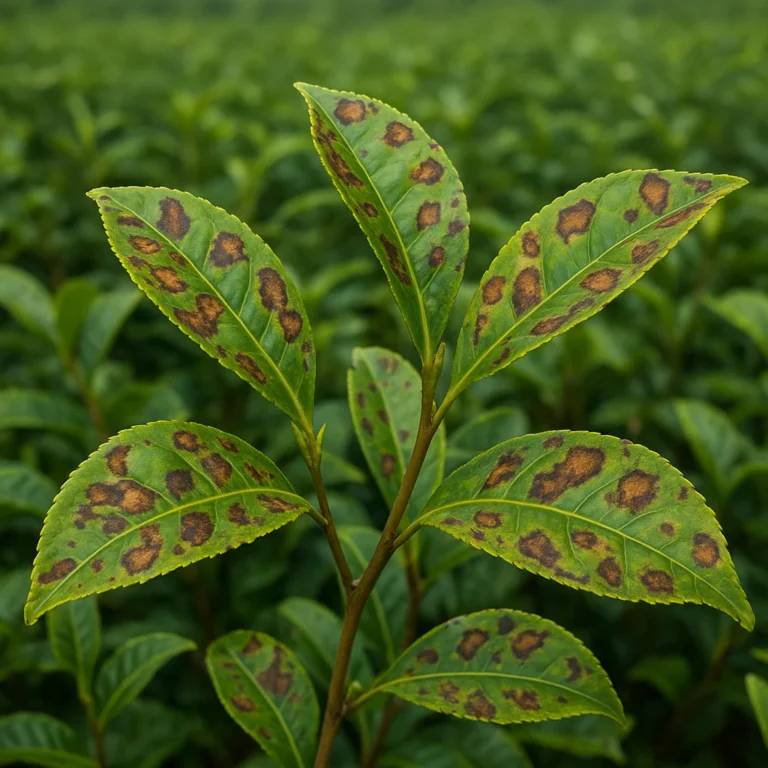
- Symptoms: Raised, gray-green or tan spots with fuzzy margins on the leaves.
- Cause: Poor air circulation and overhead watering.
- Management: Prune out infected leaves (cut 6 inches below the spot) and improve airflow. Avoid weting the foliage.
2. Blister Blight: The Bumpy Blight
This is the big bad of tea diseases, caused by Exobasidium vexans.
- Symptoms: Small, pinhole spots on young leaves that turn transparent, then brown. The underside of the leaf develops white, velvety blisters.
- Impact: It distorts young shoots and can kill the growing tip.
- Management: Plant resistant varieties and apply fungicides during the wet season.
3. Root Rot: The Silent Killer Underground
Caused by Phytophthora cinnamomi or Poria species, this is often fatal.
- Symptoms: Sudden yellowing, wilting, and death of the plant. Roots turn dark and mushy.
- Cause: Poor drainage, waterlogged soil.
- Management: Prevention is key. Plant in well-draining soil. If you see it, remove the plant and the surrounding soil.
4. Gray Blight: The Fading Foe
Caused by Pestalotiopsis species.
- Symptoms: Large, grayish-brown spots with black dots (fruiting bodies) on older leaves.
- Cause: Stress, often following drought or nutrient deficiency.
- Management: Remove infected leaves and improve plant vigor with proper fertilization.
5. Powdery Mildew: The White Dusty Problem
A classic fungal issue that looks like someone dusted the plant with flour.
- Symptoms: White, powdery coating on leaves and stems.
- Cause: High humidity but dry leaves, poor airflow.
- Management: Improve airflow, avoid overhead watering, and use organic fungicides like sulfur or potassium bicarbonate.
🛡️ Integrated Pest Management (IPM): Building a Fortress for Your Camellia sinensis
You can’t just spray and pray. Integrated Pest Management (IPM) is the smart, sustainable way to handle pests and diseases. It’s about building a system where your tea plants are the strongest players.
Cultural Controls: Pruning, Spacing, and Sanitation
- Pruning: Regular pruning improves airflow and removes infected tissue. It also encourages new, healthy growth.
- Spacing: Don’t crowd your plants! Give them room to breathe.
- Sanitation: Clean up fallen leaves and debris. Many pests and fungi overwinter in dead plant matter.
Biological Controls: Hiring Nature’s Bounty Hunters
Instead of killing everything, invite the good guys!
- Ladybugs & Lacewings: They eat aphids and mites.
- Parasitic Wasps: They lay eggs inside caterpillars and other pests.
- Predatory Mites: They eat spider mites.
- Birds: A bird bath can attract birds that will feast on caterpillars and beetles.
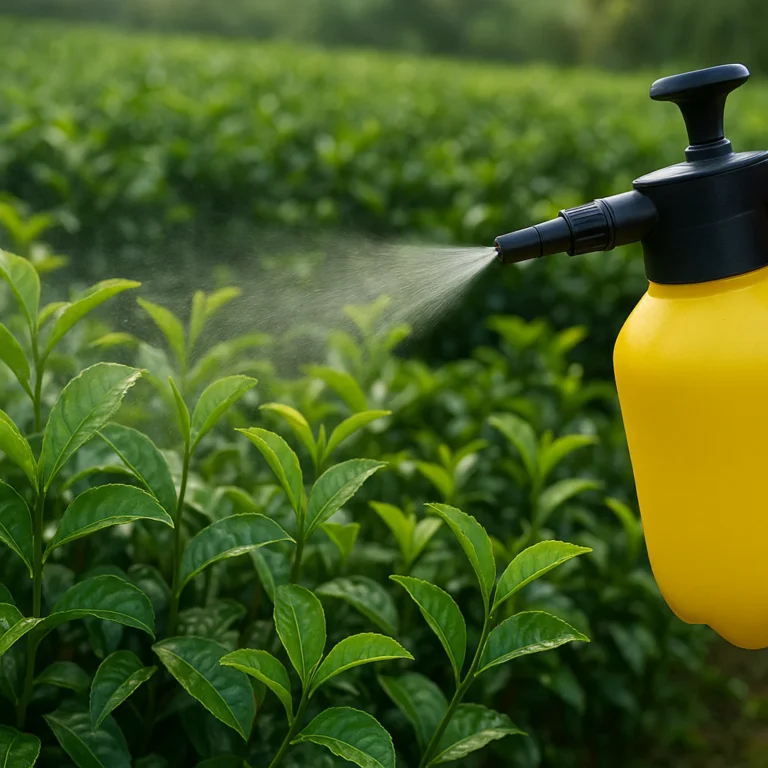
Organic and Chemical Interventions: When to Reach for the Spray Bottle
Sometimes, nature needs a little help.
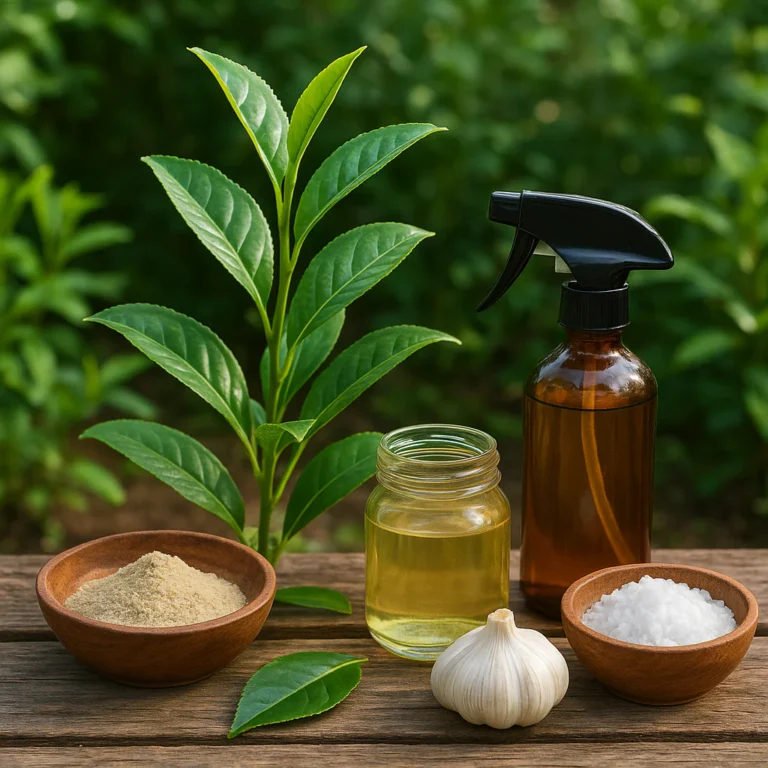
- Nem Oil: A versatile organic pesticide that disrupts the life cycle of many pests.
- Insecticidal Soaps: Great for soft-bodied insects like aphids and mites.
- Bt (Bacillus thuringiensis): A natural bacteria that targets caterpillars specifically.
- Fungicides: Use copper-based or sulfur-based fungicides for fungal issues, but rotate them to prevent resistance.
👉 CHECK PRICE on:
- Nem Oil: Amazon | Walmart | Gardener’s Supply Company
- Insecticidal Soap: Amazon | Home Depot
🌿 Environmental Factors: How Soil, Water, and Climate Influence Tea Plant Health
Your tea plant’s health is a direct reflection of its environment.
- Soil: Tea loves acidic soil (pH 4.5–6.0). It needs to be well-draining but moisture-retentive. Heavy clay soils lead to root rot.
- Water: Consistent moisture is key, but waterlogging is deadly. Mulch helps retain moisture and regulate temperature.
- Climate: Tea thrives in 18–20°C (64–68°F). Frost can kill young shoots, and extreme heat can stress the plant.
- Light: Partial shade is often best, especially in hot climates. Too much sun can scorch the leaves.
🔍 Troubleshooting Guide: Is It a Pest, a Disease, or Just Bad Luck?
Is your plant yellow? Is it dropping leaves? Let’s play detective.
| Symptom | Possible Cause | Action |
|---|---|---|
| Yellowing leaves | Overwatering, Root Rot, Nitrogen Deficiency | Check drainage, test soil, adjust watering. |
| Curling leaves | Aphids, Thrips, Heat Stress | Inspect undersides, check for pests, provide shade. |
| Brown spots | Fungal Disease, Sun Scorch, Thrips | Identify spot type, improve airflow, treat with fungicide. |
| Webing | Spider Mites | Blast with water, apply miticide or neem oil. |
| Sticky residue | Aphids, Scale Insects | Wash with soapy water, introduce predators. |
| Wilting | Root Rot, Underwatering, Heat Stress | Check soil moisture, inspect roots, adjust watering. |
📸 Visual Identification Guide: Photos and Descriptions of Symptoms
Since we can’t show you photos here, let’s paint a picture with words!
- Aphids: Look for clusters of tiny, soft-bodied insects on the underside of leaves. They might be green, black, or pink.
- Spider Mites: Look for fine webing and tiny yellow dots (stipling) on the leaves.
- Blister Blight: Look for white, velvety blisters on the underside of young leaves.
- Powdery Mildew: Look for a white, dusty coating on the leaves.
- Root Rot: Dig up a plant. If the roots are dark, mushy, and smell bad, it’s root rot.
🌍 Regional Variations: Pests and Diseases Specific to Your Growing Zone
Where you live matters!
- Humid Tropics: Prone to Blister Blight and Algal Leaf Spot.
- Arid Climates: More likely to deal with Spider Mites and Thrips.
- Temperate Zones: Watch out for Root Rot in wet springs and Frost Damage in late winters.
- Invasive Species: In the US, Asian Jumping Worms are a growing concern. While they don’t eat tea leaves, they destroy the soil structure, making it hard for tea roots to establish. For more on managing these soil disruptors, check out Brad Herrick’s insights on coping with invasive jumping worms.
🏆 Conclusion

So, there you have it! From the tiny aphid to the dreaded Blister Blight, your tea plants have a lot of enemies, but they also have a lot of defenders. The key to a thriving tea garden isn’t a magic spray; it’s observation, prevention, and balance.
Remember, a healthy tea plant is a resilient one. By focusing on soil health, proper spacing, and biological controls, you can keep your Camellia sinensis happy and productive for decades. And if you do spot a problem, don’t panic! Identify it early, act quickly, and your garden will bounce back.
Now, go out there and inspect your tea bushes. What’s hiding under those leaves? You might be surprised!
🔗 Recommended Links
👉 Shop Organic Pest Control on:
- Nem Oil: Amazon | Walmart | Gardener’s Supply Company
- Insecticidal Soap: Amazon | Home Depot
- Beneficial Insects: Amazon | Arbico Organics
Books on Tea Cultivation:
❓ FAQ

How do I identify aphids on tea plants and treat them naturally?
Aphids are small, soft-bodied insects that cluster on the undersides of leaves and new shoots. They cause leaves to curl and yellow. To treat them naturally:
- Blast them off: Use a strong jet of water from a hose.
- Introduce predators: Ladybugs and lacewings love to eat aphids.
- Use insecticidal soap or neem oil: Spray the undersides of the leaves thoroughly.
- Avoid over-fertilizing: Too much nitrogen attracts aphids.
Read more about “🌿 7 Deadly Tea Plant Nutrient Deficiencies (2026)”
What are the best organic fungicides for preventing powdery mildew on Camellia sinensis?
Powdery mildew is a common fungal issue. The best organic fungicides include:
- Sulfur: Effective but can damage plants in high heat.
- Potassium Bicarbonate: Works by changing the pH on the leaf surface, making it inhospitable for fungi.
- Nem Oil: Has mild fungicidal properties and helps with pests too.
- Baking Soda Solution: A homemade mix of baking soda, water, and a drop of soap can help prevent mildew.
Why are the leaves of my tea plant turning yellow and dropping?
Yellowing and dropping leaves can be caused by several factors:
- Overwatering: Leads to root rot.
- Underwatering: Causes stress and leaf drop.
- Nutrient Deficiency: Lack of nitrogen or iron.
- Pests: Aphids or spider mites.
- Poor Drainage: Tea plants hate “wet feet.”
Check your watering habits, inspect for pests, and test your soil to narrow down the cause.
How can I prevent root rot in potted tea plants during the rainy season?
Root rot is a silent killer. To prevent it:
- Ensure proper drainage: Use pots with drainage holes and well-draining soil.
- Avoid overwatering: Let the top inch of soil dry out between waterings.
- Elevate pots: Use pot feet to keep the bottom of the pot off wet surfaces.
- Mulch carefully: Don’t let mulch touch the stem, as it can trap moisture.
- Monitor weather: Bring potted plants under cover during heavy rains if possible.
📚 Reference Links
- Penn State PlantVillage: Tea Plant Overview and Disease Management
- University of Wisconsin-Madison: Coping with Invasive Jumping Worms with Brad Herrick
- Growing Teas™: Green Tea Cultivation
- Growing Teas™: Organic Farming Techniques
- Growing Teas™: How often should I water my tea plants?
- Growing Teas™: Fertilizers for Tea Plants
- Growing Teas™: Health Benefits of Tea
- Growing Teas™: Herbal Tea Planting