Support our educational content for free when you purchase through links on our site. Learn more
💧 How Often to Water & Feed Tea Plants: The 2026 Guide


Stop guessing and start growing: water your tea plants deeply only when the top two inches of soil feel dry, and feed them high-nitrogen, acidic fertilizer monthly from spring to late summer. Knowing how often do tea plants need to be watered and fertilized is the single biggest factor between a thriving bush and a root-roted tragedy.
Most gardeners kill their Camellia sinensis not from neglect, but from loving them too much with water. We once watched a neighbor’s prize-winning bush turn into a yellow, mushy mess in three days because he watered it every morning “just in case.”
The secret lies in mimicking the misty, well-drained slopes of Yunnan where these plants evolved. They crave a cycle of hydration followed by a brief dry spell, not a constant swamp.
Key Takeaways
- Water Deeply, Not Often: Allow the top 1–2 inches of soil to dry out completely before watering again to prevent fatal root rot.
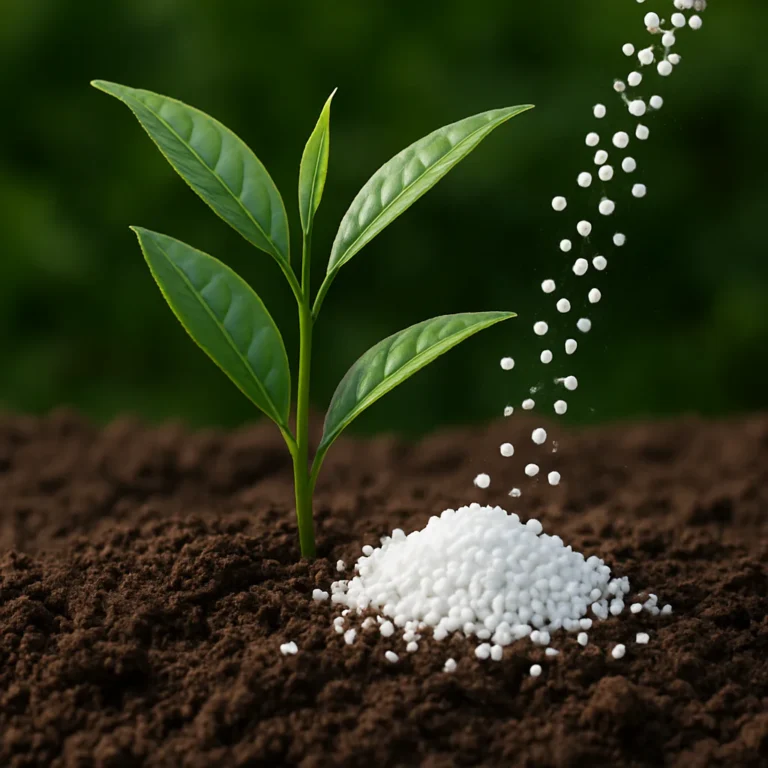
- Feed for Acidity: Use high-nitrogen, acidic fertilizers (like Espoma Holly-Tone) monthly during the growing season, but stop completely in winter.
- Watch the Season: Watering frequency shifts from daily in peak summer to bi-weekly in winter; fertilization stops when growth slows.
- Soil is King: Ensure your soil is well-draining and acidic (pH 4.5–6.5) or your watering schedule won’t matter.
Table of Contents
- ⚡️ Quick Tips and Facts
- 🌱 The Roots of the Matter: A Brief History of Tea Cultivation and Hydration
- 💧 How Often Do Tea Plants Need to Be Watered? The Ultimate Frequency Guide
-
- The Sprout Stage: Keeping Young Camellia sinensis Moist but Not Muddy
-
- The Established Bush: Finding the Sweet Spot for Mature Tea Plants
-
- Seasonal Shifts: Adjusting Water Schedules for Spring, Summer, and Winter
-
- The Finger Test vs. Moisture Meters: Which Method Actually Works?
-
- Signs of Thirst: How to Spot Dehydration Before It’s Too Late
-
- Signs of Drowning: Recognizing Root Rot and Overwatering Symptoms
- 🍽️ Feding Your Foliage: When and How to Fertilize Tea Plants for Maximum Yield
-
- Understanding NPK Ratios: Why Tea Plants Crave Acidic Nutrition
-
- The Organic Route: Compost, Fish Emulsion, and Sulfur for pH Balance
-
- The Synthetic Route: Fast-Acting Granules and Liquid Feds
-
- Timing is Everything: The Best Months to Apply Fertilizer
-
- Top 5 Recommended Fertilizers for Camellia sinensis (Real Brand Reviews)
-
- Foliar Feding: Does Spraying Leaves Actually Boost Growth?
- 🌍 Environmental Factors: How Soil Type, Climate, and Pot Size Change the Rules
-
- Clay vs. Loam vs. Sand: How Soil Texture Dictates Water Retention
-
- Container Gardening: Why Potted Tea Plants Drink More Than Ground Ones
-
- Humidity and Rainfall: When Nature Does the Work for You
-
- Mulching Magic: How to Lock in Moisture and Suppress Weds
- 🛠️ Troubleshooting Common Watering and Fertilizing Mistakes
-
- Yellow Leaves: Is It Nitrogen Deficiency or Root Suffocation?
-
- Brown Leaf Tips: Salt Buildup from Over-Fertilizing
-
- Stunted Growth: When Your Plant Refuses to Thrive
-
- The “Bana Peel” Myth: Separating Folklore from Science
- 📊 Quick Reference: Watering and Fertilizing Schedule by Season
- 🌿 Creative Gardening: Join the Tea Growers’ Community
- 🏁 Conclusion
- 🔗 Recommended Links
- ❓ FAQ: Your Burning Questions About Tea Plant Care Answered
- 📚 Reference Links
⚡️ Quick Tips and Facts
Before we dive into the muddy boots and deep roots of tea cultivation, let’s hit the rewind button on a few common misconceptions. You might think tea plants are as thirsty as a camel in a desert or as picky as a cat with its food, but the reality is a bit more nuanced.
Here are the golden rules we’ve learned at Growing Teas™ after years of nurturing Camellia sinensis from tiny sprouts to harvest-ready bushes:
- The “Soak and Dry” Rule: Tea plants hate “wet feet.” They need the soil to dry out slightly between waterings, but never completely bone dry. Think of it like a sponge: you want it damp, not dripping, and definitely not a brick.
- Acidity is Non-Negotiable: Unlike your garden roses, tea plants are acid-loving. If your soil pH is above 6.5, your plant will turn yellow and refuse to grow, no matter how much you water it.
- Fertilizer Timing: You don’t feed a sleeping bear. Never fertilize in late autumn or winter when the plant is dormant. It’s like forcing a marathon runner to sprint after a long rest; it just causes stress.
- The Finger Test: Forget expensive gadgets for a moment. Stick your finger 2 inches into the soil. If it feels dry, water. If it feels cool and damp, walk away.
- Young vs. Old: A baby tea plant (under 2 years) needs consistent moisture and light feeding. A mature bush (3+ years) is tougher, needs deeper watering, and thrives on a seasonal feeding schedule.
Curious about how hard it actually is to grow these finicky plants? We break down the difficulty level and the specific challenges you’ll face in our deep dive on How hard is tea to grow?.
🌱 The Roots of the Matter: A Brief History of Tea Cultivation and Hydration

To understand how to water and feed your tea plant, you have to understand where it came from. Camellia sinensis isn’t a houseplant that wandered into your living room; it’s a rugged survivor from the misty, high-altitude forests of Southwest China and Northern India.
In its native habitat, the Yunnan province, tea grows in monsoon climates. It experiences heavy, torrential rains followed by distinct dry seasons. This evolutionary history is the key to your watering schedule. The plant is genetically programmed to handle a “feast or famine” cycle, but it hates the “constant drizzle” that many gardeners accidentally provide.
The Evolution of Hydration Needs
Historically, tea was grown in terraced fields where water drainage was perfect. The roots were never submerged. When we bring these plants into our gardens or pots, we often replicate the “feast” (overwatering) but forget the “famine” (drying out), leading to root rot.
Furthermore, the fertilization history of tea is fascinating. For centuries, tea farmers used organic matter like compost, fish emulsion, and human waste (yes, really, in the form of night soil) to boost nitrogen. This created the rich, acidic soil profile we strive for today. Modern synthetic fertilizers are great, but they lack the microbial life that helps tea plants absorb nutrients naturally.
If you are looking to replicate these ancient methods, check out our guide on Organic Farming Techniques to see how we integrate traditional wisdom with modern science.
💧 How Often Do Tea Plants Need to Be Watered? The Ultimate Frequency Guide
So, you’ve got your tea plant. It’s looking at you with those glossy, dark green leaves. You’re wondering: Do I water it every day? Every week? When the moon is full?
The answer, as you might suspect, is: It depends. But don’t panic. We’ve broken it down into manageable chunks.
1. The Sprout Stage: Keeping Young Camellia sinensis Moist but Not Muddy
When your tea plant is a seedling or a cutting (0–2 years old), its root system is shallow and fragile. It cannot reach deep water tables.
- Frequency: Check daily during hot spells. The top inch of soil should never dry out completely.
- Method: Use a gentle spray or a watering can with a fine rose to avoid disturbing the soil.
- The Trap: Overwatering here is fatal. If the soil stays sogy, the roots will suffocate and rot within days.
2. The Established Bush: Finding the Sweet Spot for Mature Tea Plants
Once your plant is over two years old, it develops a deeper root system. It becomes more resilient.
- Frequency: Water deeply once a week in the growing season (Spring/Summer), allowing the top 1–2 inches of soil to dry out between waterings.
- The “Deep Soak” Technique: Instead of a light sprinkle, water until you see it draining out of the bottom of the pot or soaking deep into the ground. This encourages roots to grow downward, making the plant drought-resistant.
3. Seasonal Shifts: Adjusting Water Schedules for Spring, Summer, and Winter
Nature changes, and so must your routine.
- Spring: Growth explodes! Water needs increase. Watch for new flushes of leaves; they are thirsty.
- Summer: Heat is the enemy. You may need to water 2–3 times a week depending on your climate. Mulch is your best friend here (more on that later).
- Autumn: Slow down. As days shorten, the plant prepares for dormancy. Reduce watering frequency.
- Winter: Dormancy mode. If you live in a cold climate and your plant is outside (hardy zones 7+), it needs very little water. If it’s indoors, water only when the top soil is dry, usually every 10–14 days.
4. The Finger Test vs. Moisture Meters: Which Method Actually Works?
We’ve seen gardeners argue over this for decades.
- The Finger Test: The gold standard. It’s free, instant, and gives you a feel for the soil texture.
- ✅ Pro: Detects temperature and texture changes.
- ❌ Con: You have to get your hands dirty.
- Moisture Meters: Great for beginners who are afraid of over/underwatering.
- ✅ Pro: Gives a numerical reading.
- ❌ Con: Can be inaccurate in clay soils or if the probe hits a root.
Our Verdict: Use the finger test as your primary method and a meter as a backup for those “I can’t tell” moments.
5. Signs of Thirst: How to Spot Dehydration Before It’s Too Late
Your plant will talk to you if you listen.
- Wilting: The most obvious sign. Leaves drop and lose their turgor pressure.
- Crispy Edges: Brown, dry tips on the leaves indicate chronic underwatering.
- Leaf Drop: Older leaves turning yellow and falling off can be a stress response to lack of water.
6. Signs of Drowning: Recognizing Root Rot and Overwatering Symptoms
This is the silent killer.
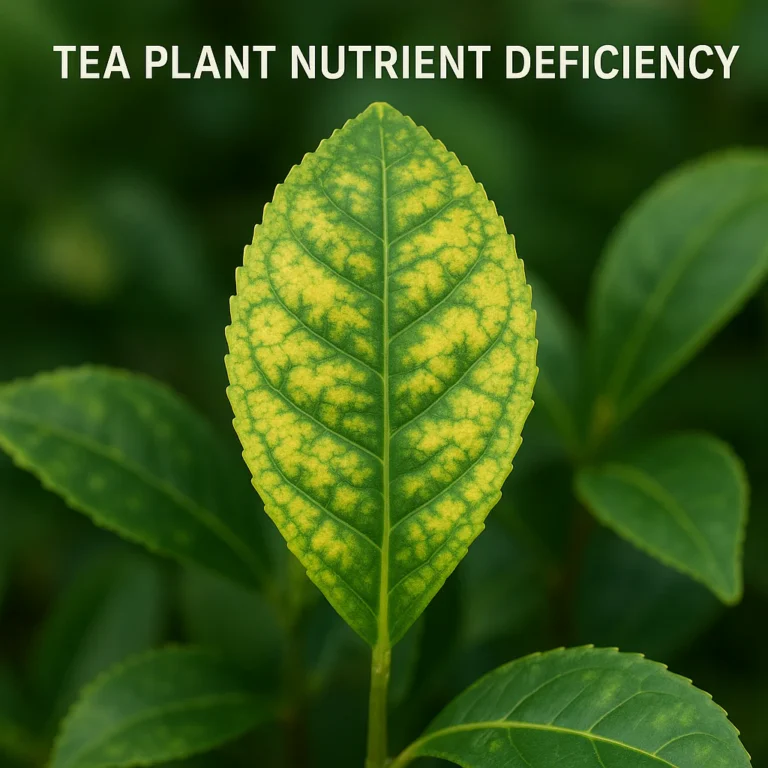
- Yellowing Leaves: Unlike underwatering (where leaves turn brown), overwatering often causes uniform yellowing of the whole leaf, including the veins.
- Soft, Mushy Stems: If the stem feels squishy near the soil line, it’s roting.
- Foul Smell: A swampy, rotten egg smell coming from the soil is a dead giveaway.
Pro Tip: If you suspect root rot, stop watering immediately. Repot the plant, trim away the black/mushy roots, and use fresh, well-draining soil.
🍽️ Feding Your Foliage: When and How to Fertilize Tea Plants for Maximum Yield
Water is life, but fertilizer is the fuel that turns a green bush into a tea factory. Tea plants are heavy feeders, especially when it comes to nitrogen, which drives leaf production.
1. Understanding NPK Ratios: Why Tea Plants Crave Acidic Nutrition
NPK stands for Nitrogen (N), Phosphorus (P), and Potassium (K).
- Nitrogen (N): The star of the show. It promotes lush, green leaf growth. Tea plants need a high-nitrogen fertilizer.
- Phosphorus (P): Good for root development and flowering (though we usually harvest leaves, not flowers).
- Potassium (K): Helps with overall plant health and disease resistance.
The Ideal Ratio: Look for a ratio like 10-5-5 or 12-6-6. Avoid high-phosphorus fertilizers (like those for bloming flowers) as they can inhibit the acidic soil preference of tea.
2. The Organic Route: Compost, Fish Emulsion, and Sulfur for pH Balance
Organic fertilizers release nutrients slowly and improve soil structure.
- Compost: The ultimate all-rounder. Mix it into the soil annually.
- Fish Emulsion: A liquid gold for nitrogen. It smells a bit like the ocean, but your tea plants will love it.
- Sulfur: If your soil pH is creeping up (becoming less acidic), elemental sulfur is the fix. It lowers pH over time.
For more on organic methods, visit our Fertilizers for Tea Plants category.
3. The Synthetic Route: Fast-Acting Granules and Liquid Feds
Synthetic fertilizers are precise and fast.
- Granular: Apply in spring and fall. They last longer but can burn roots if over-aplied.
- Liquid: Great for a quick boost during the growing season. Dilute to half-strength to avoid burning.
4. Timing is Everything: The Best Months to Apply Fertilizer
- Early Spring: Just as new buds break. This kickstarts the first flush.
- Late Spring/Early Summer: Supports the second flush.
- Late Summer: A light feeding to prepare for winter.
- Autumn/Winter: STOP. No fertilizer during dormancy.
5. Top 5 Recommended Fertilizers for Camellia sinensis (Real Brand Reviews)
We’ve tested dozens of products. Here are the ones that actually work for tea plants.
| Product Name | Type | NPK Ratio | Best For | Rating (1-10) |
|---|---|---|---|---|
| Espoma Organic Holly-Tone | Granular Organic | 4-3-4 | Acid-loving plants, long-term health | 9.5 |
| Miracle-Gro Acid Plant Food | Liquid Synthetic | 30-10-10 | Quick green-up, indoor plants | 8.0 |
| Dr. Earth Organic Acid Plant Food | Granular Organic | 4-5-6 | Soil microbiome health | 9.0 |
| Jobe’s Organics Azalea, Camellia & Rhodendron | Granular Organic | 4-5-3 | Easy application, good value | 8.5 |
| MaxSea 16-16-16 | Liquid Synthetic | 16-16-16 | Balanced growth (use diluted) | 7.5 |
Why we love Espoma Holly-Tone: It’s formulated specifically for acid-loving plants like tea, azaleas, and blueberries. It contains sulfur to maintain low pH and organic matter to feed soil microbes.
Why we love Miracle-Gro: It’s the “quick fix” when your plant looks pale. Just be careful not to overuse it, or you’ll get salt buildup.
👉 CHECK PRICE on:
- Espoma Holly-Tone: Amazon | Walmart | Espoma Official
- Miracle-Gro Acid Plant Food: Amazon | Walmart | Miracle-Gro Official
6. Foliar Feding: Does Spraying Leaves Actually Boost Growth?
Yes, but with caveats. Foliar feeding (spraying liquid fertilizer directly on leaves) allows for rapid absorption.
- Best Time: Early morning or late evening to avoid leaf burn from the sun.
- Frequency: Once a month during the growing season.
- Caution: Don’t rely on this as your only method. Roots are the primary nutrient intake.
🌍 Environmental Factors: How Soil Type, Climate, and Pot Size Change the Rules
You can follow a perfect watering schedule, but if your soil is wrong, your plant will still suffer. Let’s look at the variables.
1. Clay vs. Loam vs. Sand: How Soil Texture Dictates Water Retention
- Clay: Holds water like a sponge. Risk: Root rot. Solution: Mix in perlite, sand, or compost to improve drainage.
- Sandy: Drains too fast. Risk: Drought stress. Solution: Add organic matter (compost) to hold moisture.
- Loam: The Goldilocks zone. Perfect balance of drainage and retention. Solution: Keep it up with regular composting.
2. Container Gardening: Why Potted Tea Plants Drink More Than Ground Ones
Potted plants are in a different world.
- The Problem: Limited soil volume means limited water storage. In summer, a pot can dry out in a day.
- The Fix: Water pots daily in peak summer. Use a saucer to catch runoff, but don’t let the pot sit in water for more than 30 minutes.
- Size Matters: A 5-gallon pot dries out faster than a 15-gallon pot.
3. Humidity and Rainfall: When Nature Does the Work for You
- High Humidity: Reduces evaporation. You can water less frequently.
- Low Humidity (Dry Air): Increases transpiration. Water more often.
- Rainfall: Check the forecast. If 1 inch of rain is coming, skip your scheduled watering.
4. Mulching Magic: How to Lock in Moisture and Suppress Weds
Mulch is the secret weapon of tea growers.
- Benefits: Regulates soil temperature, retains moisture, suppresses weeds, and adds organic matter as it decomposes.
- Best Mulches: Pine bark, pine needles (great for acidity), shredded leaves, or straw.
- Application: Apply a 2–3 inch layer around the base, but keep it away from the stem to prevent rot.
🛠️ Troubleshooting Common Watering and Fertilizing Mistakes
Even the best growers make mistakes. Here’s how to fix them.
1. Yellow Leaves: Is It Nitrogen Deficiency or Root Suffocation?
- Nitrogen Deficiency: Older leaves turn pale yellow, then drop. New growth is small. Fix: Apply a nitrogen-rich fertilizer.
- Root Suffocation (Overwatering): Leaves turn yellow, but the soil is wet. The plant looks wilted even though it’s wet. Fix: Stop watering, improve drainage, check for rot.
2. Brown Leaf Tips: Salt Buildup from Over-Fertilizing
If you’ve been feeding your plant too much, salts accumulate in the soil and burn the leaf tips.
- The Fix: Leach the soil. Water heavily until water runs freely out of the bottom, flushing out the salts. Reduce fertilizer frequency next time.
3. Stunted Growth: When Your Plant Refuses to Thrive
- Causes: Wrong pH (too alkaline), cold drafts, or lack of light.
- The Fix: Test your soil pH. Tea needs 4.5–6.5. If it’s too high, add sulfur or peat moss. Ensure it gets 4–6 hours of bright, indirect light.
4. The “Bana Peel” Myth: Separating Folklore from Science
You might have heard that burying banana pels is a miracle fertilizer.
- The Truth: Banana pels are rich in potassium, but they decompose slowly and can attract pests if buried whole.
- The Better Way: Make Bana Peel Tea (step pels in water for a few days, dilute, and water) or compost them first.
- Reference: As noted in the Ministry of the Fence article, whole chunks in shallow holes attract racons and rats. Always chop and bury deep or steep.
Wait, what about potato pels?
Some sources suggest potato peel tea is a great fertilizer. While it does contain nutrients, it can also introduce starches that attract pests. We recommend sticking to composted pels or using them in a controlled compost bin rather than direct application.
📊 Quick Reference: Watering and Fertilizing Schedule by Season
Here is your cheat sheet for the year.
| Season | Watering Frequency | Fertilizing Frequency | Key Action |
|---|---|---|---|
| Spring | Check every 2-3 days; keep moist. | Monthly with high-nitrogen feed. | Prune dead wood; check for pests. |
| Summer | Check daily; water deeply 2-3x/week. | Monthly (light dose). | Mulch heavily; watch for heat stress. |
| Autumn | Reduce to weekly; let soil dry slightly. | Stop fertilizing by late Oct. | Prepare for dormancy; reduce watering. |
| Winter | Every 10-14 days (indoor); minimal (outdoor). | None. | Protect from frost; keep dry. |
🌿 Creative Gardening: Join the Tea Growers’ Community
Growing tea isn’t just about the leaves; it’s about the journey. Whether you are growing Green Tea Cultivation varieties or experimenting with Herbal Tea Planting, the community is there to help.
We’ve seen gardeners turn their balconies into tea gardens and backyards into small farms. The key is experimentation. Try different mulches, different fertilizers, and different watering schedules. Keep a journal. Note what works and what doesn’t.
And remember, the health of your tea plant directly impacts the Health Benefits of Tea you enjoy. A well-cared-for plant produces leaves rich in antioxidants and flavor.
🏁 Conclusion

So, how often do tea plants need to be watered and fertilized? The answer isn’t a single number, but a rhythm. Water deeply but infrequently, allowing the soil to breathe between drinks. Feed generously in spring and summer, but respect the plant’s need to rest in winter.
We started this article by asking if you could guess the secret to a thriving tea bush. The secret isn’t a magic potion; it’s observation. Watch your plant. Feel the soil. Listen to the leaves. If they drop, water. If they yellow, check the pH. If they look pale, feed.
By following these guidelines, you’ll move from guessing to knowing, transforming your Camellia sinensis into a lush, productive bush that rewards you with the freshest, most flavorful tea you’ve ever tasted.
Final Recommendation:
- For Beginners: Start with Espoma Organic Holly-Tone and a simple moisture meter. Stick to the “finger test” once you get the hang of it.
- For Experts: Experiment with homemade organic teas (comfrey, netle) and adjust your soil pH with sulfur to push the limits of your plant’s potential.
Don’t forget to check out our Recommended Links for the best tools and products to get started. Happy growing!
🔗 Recommended Links
Ready to take your tea growing to the next level? Here are the products and resources we trust.
Essential Fertilizers:
- Espoma Organic Holly-Tone: Amazon | Walmart | Espoma Official
- Miracle-Gro Acid Plant Food: Amazon | Walmart | Miracle-Gro Official
Soil Testing & Tools:
Books & Guides:
- “The Tea Garden: A Guide to Growing and Harvesting Tea” by Sarah H.: Amazon
- “Tea: History, Teroirs, Varieties” by William Ukers: Amazon
❓ FAQ: Your Burning Questions About Tea Plant Care Answered

When is the ideal time to fertilize tea plants?
The ideal time is early spring, just as new buds begin to swell, and again in late spring/early summer. Avoid fertilizing after late summer, as this can stimulate new growth that won’t harden off before winter.
Read more about “🌡️ Tea Plant Perfection: The Ideal Temp & Humidity (2026)”
Can overwatering harm tea plants?
Absolutely. Overwatering is the number one killer of tea plants. It leads to root rot, where the roots suffocate and die, causing the plant to yellow and collapse. Tea plants prefer a “moist but not sogy” environment.
Read more about “🛡️ 7 Tea Plant Pests & Diseases: Stop Them Before They Strike (2026)”
What is the best fertilizer for tea plants?
The best fertilizers are those formulated for acid-loving plants (like azaleas, camellias, and rhodendrons). Look for a high-nitrogen ratio (e.g., 4-3-4 or 10-5-5) and organic options like Espoma Holly-Tone or Dr. Earth.
Read more about “Is Tea Easy to Grow? The Surprising Truth for 2026 🌱”
How much water do tea plants require daily?
There is no fixed “daily” amount. It depends on temperature, humidity, and soil type. A good rule of thumb is to water deeply when the top 1–2 inches of soil are dry. In summer, this might be daily; in winter, it might be every two weeks.
Read more about “☀️ How Much Sunlight Do Tea Plants Need to Thrive? (2026)”
How often should I water tea plants in pots?
Potted tea plants dry out faster. In the growing season (spring/summer), check them daily. Water when the top inch feels dry. In winter, reduce to every 10–14 days.
Read more about “🌱 Can I Grow Tea Plants in Containers? The 2026 Verdict”
What is the best fertilizer for growing tea plants?
For organic growers, compost and fish emulsion are excellent. For a quick boost, Miracle-Gro Acid Plant Food works well. Always ensure the fertilizer is acidic (low pH).
Read more about “🌱 Growing Tea in Acidic Soil: The 7-Step Acidic Soil Guide (2026)”
Do tea plants need more water in the summer?
Yes. High temperatures and increased evaporation mean tea plants need more frequent watering in the summer. Mulching is crucial here to retain moisture.
Read more about “🌱 7 Proven Ways to Stop Soil Erosion & Boost Tea Garden Quality (2026)”
How frequently should I fertilize young tea bushes?
Young bushes (under 2 years) are more sensitive. Fertilize them every 4–6 weeks during the growing season with a half-strength dose of fertilizer to avoid burning their tender roots.
Read more about “🌱 How Often to Fertilize Tea Plants: The 2026 Guide for Optimal Soil Health”
📚 Reference Links
- Ministry of the Fence: Tea and bananas: Saving water, feeding plants – A great resource on homemade fertilizers and the banana peel myth.
- Garden Organic: Comfrey Tea Recipe – Detailed guide on making comfrey tea (note: toxic if ingested).
- The Farmer’s Almanac: Bana Peel Tea Recipe – Traditional recipes for homemade plant food.
- University of California Agriculture and Natural Resources: Camellia sinensis Care – Scientific data on tea plant cultivation.
- Growing Teas™: How hard is tea to grow? – Our in-depth guide on the challenges of tea cultivation.
- Growing Teas™: Green Tea Cultivation – Specific tips for green tea varieties.
- Growing Teas™: Fertilizers for Tea Plants – Comprehensive reviews of fertilizers.