Support our educational content for free when you purchase through links on our site. Learn more
🌱 Perfect Tea Climate & Soil: The Ultimate Home Guide (2026)


The ideal climate for growing tea at home is a warm, humid environment with acidic soil (pH 4.5–5.5) and dappled sunlight, but you can successfully cultivate Camellia sinensis in almost any zone by mastering container gardening and microclimates. If you’ve ever wondered what are the ideal climate and soil conditions for growing tea at home?, the answer lies not in mimicking a tropical rainforest perfectly, but in understanding how to manipulate your local environment to suit this ancient, adaptable plant.
Legend has it that the first cup of tea was discovered in 2737 BCE when leaves blew into Emperor Shen Nung’s boiling water, sparking a global obsession that continues today. Yet, despite its royal history, the tea bush is surprisingly resilient if you give it the right chemical foundation.
Most home gardeners fail not because of the temperature, but because they ignore the soil pH. Tea plants are acidophiles, meaning they will literally starve to death in neutral or alkaline soil, no matter how much water you give them.
Imagine the satisfaction of plucking a fresh leaf from your own backyard bush and brewing a cup of tea that tastes better than anything you can buy. It’s a journey that starts with a simple soil test and ends with a steaming mug of homegrown history.
Key Takeaways
- Soil pH is Non-Negotiable: Tea plants must grow in acidic soil between pH 4.5 and 5.5; alkaline soil causes fatal nutrient deficiencies.
- Climate Flexibility: While they prefer warm, humid conditions, you can grow tea in cold zones by using containers and moving them indoors during winter.
- Light Balance: Provide 4–6 hours of morning sun followed by afternoon shade to prevent leaf scorch and encourage tender new growth.
- Water Quality Matters: Use rainwater or distilled water to avoid raising soil pH with hard tap water minerals.
- Patience Pays Off: It takes 2–3 years for a tea plant to mature enough for a meaningful harvest, but the flavor is worth the wait.
Table of Contents
- ⚡️ Quick Tips and Facts
- 🌿 A Brief History of Tea Cultivation: From Ancient China to Your Backyard
- 🌍 Decoding the Perfect Tea Climate: Temperature, Humidity, and Altitude
- 🌱 Mastering Tea Soil Conditions: pH, Drainage, and Organic Matter
- 🏔️ The Role of Altitude and Microclimates in Home Tea Growing
- ☀️ Sunlight vs. Shade: Finding the Sweet Spot for Camellia sinensis
- 💧 Watering Wisdom: Hydration Needs and Rainfall Patterns
- 🌳 Choosing the Right Tea Plant Varieties for Your Local Zone
- 🪴 Growing Tea in Containers: A Guide for Non-Tropical Climates
- 🛠️ Essential Tools and Supplies for the Home Tea Gardener
- 🐛 Common Pests and Diseases: Prevention and Organic Treatment
- ✂️ Pruning and Training Your Tea Bush for Maximum Yield
- 🍃 Harvesting and Processing: From Leaf to Cup at Home
- 🌡️ Overwintering Tea Plants: Protecting Your Crop from Frost
- 📈 Troubleshooting: Why Your Tea Plant Isn’t Thriving
- 🏆 Conclusion
- 🔗 Recommended Links
- ❓ FAQ
- 📚 Reference Links
⚡️ Quick Tips and Facts
Before we get our hands dirty with soil pH meters and humidity charts, let’s hit the ground running with the absolute essentials. If you’re wondering what tea can you grow at home?, the answer is almost always Camellia sinensis (the real deal) or a few hardy herbal alternatives like lemon balm or mint, but for the purist, we are talking about the plant that gives us everything from delicate white tea to robust black tea.
Here is the cheat sheet for your future tea empire:
| Factor | The “Goldilocks” Zone | The “Don’t Do It” Zone |
|---|---|---|
| Soil pH | 4.5 to 5.5 (Acidic) | Neutral (7.0) or Alkaline (>6.5) |
| Temperature | 60°F – 85°F (15°C – 29°C) | Below 20°F (-6°C) without protection |
| Sunlight | Morning sun, afternoon shade | Scorching miday sun all day |
| Water | Consistently moist, never sogy | Drought stress or standing water |
| Humidity | 50% – 70% | Arid desert air (unless misted) |
✅ Pro Tip: If your tap water is hard (high pH), your tea plant will throw a tantrum. Use rainwater or distilled water for the best results.
❌ Myth Buster: You do not need a tropical rainforest to grow tea. With the right microclimate and container strategy, we’ve seen thriving plants in Zone 6B!
For a deeper dive into exactly which varieties survive your specific zip code, check out our guide on What tea can you grow at home?.
🌿 A Brief History of Tea Cultivation: From Ancient China to Your Backyard

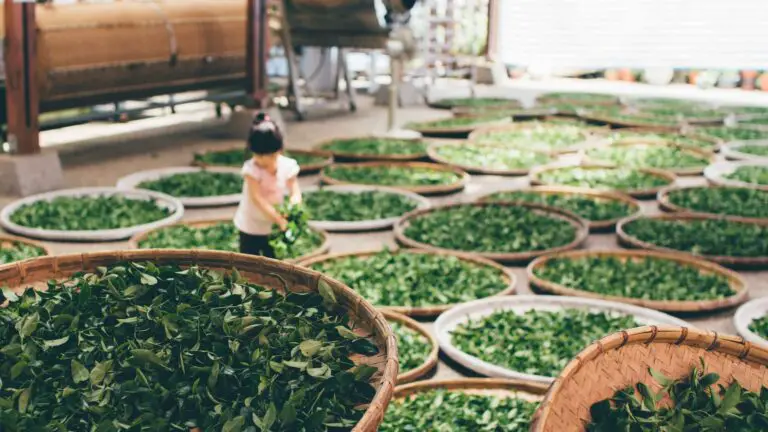
You might think growing tea is a modern hobby, but Camellia sinensis has been the star of the show for thousands of years. Legend has it that in 2737 BCE, the Chinese Emperor Shen Nung was boiling water under a tea tree when a few leaves drifted into his pot. The result? The world’s first cup of tea.
While the Emperor was enjoying his accidental brew, the plant was already being cultivated in the misty mountains of Yunnan and Assam. Fast forward to the 18th century, and the British East India Company was desperate to break the Chinese monopoly on tea. They smuggled seeds out (shady business, we know) and planted them in India, leading to the massive Assam and Darjeling estates we know today.
Why does this history matter to you?
Because it tells us that tea is incredibly adaptable. It started in the humid tropics of Assam and the cool, high-altitude slopes of Yunnan. This genetic diversity means that Camellia sinensis var. sinensis (the Chinese variety) is hardier and more cold-tolerant than Camellia sinensis var. assamica (the Indian variety).
“Tea is not just a drink; it’s a living fossil that has survived empires, wars, and trade routes. Now, it’s waiting for you in your backyard.”
If you want to understand the specific varieties available to home growers, explore our collection on Green Tea Cultivation.
🌍 Decoding the Perfect Tea Climate: Temperature, Humidity, and Altitude
Let’s address the elephant in the room: Can I grow tea in [Your City]? The answer depends entirely on how well you can mimic the tea plant’s native environment.
Temperature: The Sweet Spot
Tea plants are tropical to subtropical evergreens. They love warmth but hate extremes.
- Ideal Range: 60°F to 85°F (15°C to 29°C).
- The Danger Zone: Temperatures below 20°F (-6°C) can kill the plant, though mature sinensis varieties can survive brief dips to 10°F (-12°C) if protected.
- Heat Stress: Above 90°F (32°C), the plant’s growth slows, and leaves may scorch if the sun is too harsh.
Humidity: The Invisible Shield
This is where many home growers fail. Tea plants crave high humidity (50-70%). In dry climates, the leaves curl, turn brown at the edges, and the plant goes into survival mode.
- The Fix: If you live in a dry climate, you must group plants together, use pebble trays with water, or invest in a humidifier.
Altitude: The Flavor Factor
Ever wonder why high-mountain olongs taste so complex? It’s the altitude. Higher elevations mean cooler nights and slower growth, which concentrates the flavors and amino acids (like L-theanine) in the leaves.
- Home Garden Reality: You probably can’t replicate 6,0 feet of elevation, but you can mimic the effect by planting in a spot that gets cool morning air and avoids the baking heat of the afternoon.
For more on how environment affects flavor, read our deep dive into Health Benefits of Tea.
🌱 Mastering Tea Soil Conditions: pH, Drainage, and Organic Matter
If there is one non-negotiable rule in tea growing, it is this: Acidic soil is mandatory.
The pH Imperative
Tea plants are acidophiles. They thrive in a soil pH between 4.5 and 5.5.
- What happens if pH is too high? The plant cannot absorb iron and other micronutrients. The leaves turn yellow (chlorosis) while the veins stay green, and the plant eventually dies.
- How to test: Don’t guess! Use a digital pH meter or a soil test kit.
- How to lower pH: Mix in elemental sulfur, pine needles, sphagnum peat moss, or coffee grounds (yes, coffee grounds work here, unlike for blueberries, but use them sparingly).
Drainage: The Root Rot Enemy
Tea roots are shallow and hate “wet feet.” If water sits around the roots for more than a few hours, root rot (Phytophthora) will set in, and your plant will be toast.
- Ideal Texture: Sandy loam or loamy soil rich in organic matter.
- The Mix: If your native soil is heavy clay, you must amend it heavily with perlite, pine bark fines, and compost.
Organic Matter: The Fuel
Tea plants are heavy feeders. They love soil teming with life.
- Amendments: Incorporate compost, worm castings, and aged pine bark.
- Mulch: A thick layer of pine straw or shredded bark helps retain moisture, keep roots cool, and slowly acidify the soil as it breaks down.
Need help feeding your plants? Check out our guide on Fertilizers for Tea Plants.
🏔️ The Role of Altitude and Microclimates in Home Tea Growing
You don’t need a mountain to grow great tea; you just need a microclimate.
Creating Your Own Microclimate
A microclimate is a small area where the climate differs from the surrounding area.
- South-Facing Walls: These absorb heat during the day and release it at night, protecting plants from frost.
- North-Facing Slopes: These stay cooler and moister, perfect for hot summer days.
- Understory Planting: Planting tea under the dappled shade of a large tree (like an oak or maple) mimics the forest floor conditions of their native habitat.
The “Container Advantage”
As mentioned in the video summary we referenced earlier, growing in containers is a game-changer for non-tropical climates.
- Mobility: You can move the pot to a sunny spot in winter and a shady spot in summer.
- Soil Control: You have 10% control over the pH and drainage.
- Protection: When a frost warning hits, you can wheel the pot into the garage or indoors.
☀️ Sunlight vs. Shade: Finding the Sweet Spot for Camellia sinensis
There is a common misconception that tea plants need full sun like tomatoes. Wrong.
The Light Balance
- Young Plants: Need partial shade (4-6 hours of light). Direct, harsh sun will scorch their tender leaves.
- Mature Plants: Can handle full sun in cooler climates, but in hot regions (Zones 8+), they still prefer afternoon shade.
- The Ideal: Morning sun (to dry the dew and prevent fungus) followed by dappled afternoon shade.
Signs of Too Much Sun
- Leaves turning pale green or yellow.
- Brown, crispy edges on leaves.
- Stunted growth.
Signs of Too Little Sun
- Legy, stretched-out stems.
- Fewer leaves and slower growth.
- Lack of new flushes (the harvestable tips).
If you are struggling with light conditions, look into Organic Farming Techniques for shade cloth recommendations and placement strategies.
💧 Watering Wisdom: Hydration Needs and Rainfall Patterns
Watering tea is an art, not a science. You want the soil to be consistently moist, like a wrung-out sponge, but never sogy.
The “Finger Test”
Stick your finger an inch into the soil.
- Dry? Water immediately.
- Wet? Wait.
- Sogy? You’ve overwatered. Improve drainage.
Rainwater is King
Tea plants love rainwater because it is naturally slightly acidic and free of the minerals found in tap water (like calcium and magnesium) that raise pH.
- Tip: Install a rain barrel! It’s free, eco-friendly, and your tea plants will thank you.
Humidity Hacks
If you live in a dry climate:
- Misting: Mist the leaves in the morning (never at night to avoid fungus).
- Grouping: Cluster your plants together to create a humid micro-environment.
- Peble Trays: Place pots on trays filled with water and pebbles. As the water evaporates, it raises local humidity.
🌳 Choosing the Right Tea Plant Varieties for Your Local Zone
Not all tea plants are created equal. Choosing the right variety is the difference between a thriving bush and a dead stick.
Camellia sinensis var. sinensis (Chinese Variety)
- Characteristics: Small leaves, bushy habit, cold-hardy.
- Best For: Cooler climates (Zones 6-8), green tea, white tea, olong.
- Cold Tolerance: Can survive down to 10°F (-12°C) with protection.
Camellia sinensis var. assamica (Indian Variety)
- Characteristics: Large leaves, tree-like growth, tropical.
- Best For: Hot, humid climates (Zones 9-1), black tea, pu-erh.
- Cold Tolerance: Sensitive to frost; needs protection below 30°F (-1°C).
Hybrid Varieties
There are hybrids like ‘Yabukita’ (Japanese) or ‘Assamica x Sinensis’ crosses that offer a balance of cold hardiness and flavor profile.
Where to buy?
Avoid generic “tea plants” from big-box stores unless you know the variety. Look for specialized nurseries.
- 👉 Shop Tea Plants on: Amazon | Etsy | Growing Teas™ Official Store
🪴 Growing Tea in Containers: A Guide for Non-Tropical Climates
If you live in Zone 5 or below, or if you just want the flexibility to move your plant, container gardening is your best friend.
Step-by-Step Container Guide
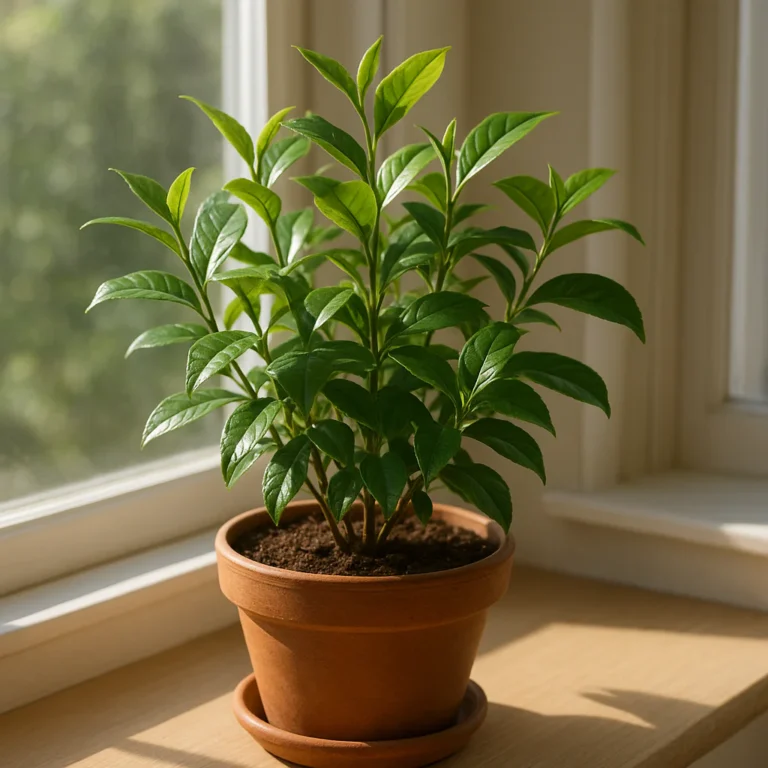
- Choose the Pot: Select a pot with excellent drainage holes. A 5-gallon pot is a great starting size.
- The Soil Mix: Do not use garden soil! Use a mix of:
- 50% Acidic Poting Mix (for azaleas/camellias)
- 25% Perlite or Pumice
- 25% Pine Bark Fines
- Planting: Place the plant in the center. Don’t bury the stem deeper than it was in the nursery pot.
- Watering: Containers dry out faster. Check daily in summer.
- Wintering: In cold zones, move the pot to an unheated garage or greenhouse when temps drop below 20°F.
Recommended Poting Mixes:
- Espoma Organic Acid Soil Mix: Great for pH control.
- FoxFarm Ocean Forest Poting Soil: Rich in organic matter (check pH).
👉 Shop Poting Supplies:
- Espoma Acid Soil: Amazon | Walmart
- FoxFarm Soil: Amazon | Brand Official
🛠️ Essential Tools and Supplies for the Home Tea Gardener
You don’t need a tractor, but you do need the right gear.
| Tool | Why You Need It | Top Pick |
|---|---|---|
| pH Meter | To monitor soil acidity daily | Bluelab pH Pen |
| Pruning Shears | For harvesting and shaping | Felco F-2 Pruners |
| Moisture Meter | To prevent over/under watering | Luster Leaf Rapitest |
| Humidifier | For indoor winter growing | Levoit Humidifier |
| Rain Barrel | To collect acidic rainwater | Good Ideas Rain Wizard |
Pro Tip: Invest in a good pair of Felco pruners. They stay sharp longer and make clean cuts, which prevents disease entry.
🐛 Common Pests and Diseases: Prevention and Organic Treatment
Tea plants are generally hardy, but they aren’t immune to trouble.
Common Pests
- Spider Mites: Thrive in hot, dry conditions. Look for fine webing and stipled leaves.
Treatment: Increase humidity, spray with nem oil or insecticidal soap. - Scale Insects: Look like small bumps on stems and leaves.
Treatment: Scrape them off manually or use horticultural oil. - Aphids: Cluster on new growth.
Treatment: Blast with water or introduce ladybugs.
Common Diseases
- Root Rot: Caused by overwatering. Leaves turn yellow and drop.
Prevention: Ensure perfect drainage. - Leaf Spot: Fungal spots on leaves.
Prevention: Improve air circulation and avoid weting leaves at night.
For more on keeping your garden chemical-free, visit our Organic Farming Techniques category.
✂️ Pruning and Training Your Tea Bush for Maximum Yield
Pruning isn’t just about looks; it’s about yield.
- The “Plucking Table”: You want to train your bush to have a flat top (about 2-3 feet high) where you can easily harvest the “two leaves and a bud.”
- When to Prune: Late winter or early spring, before new growth starts.
- How to Prune: Cut back the side branches to encourage lateral growth. This creates a bushier plant with more harvestable tips.
Don’t be afraid to cut! Tea plants respond to pruning by producing a flush of new, tender leaves.
🍃 Harvesting and Processing: From Leaf to Cup at Home
So, you’ve grown the leaves. Now what?
When to Harvest
- Spring Flush: The best time! New growth is tender and flavorful.
- Summer/Fall Flush: Leaves are tougher and more astringent. Great for black tea.
The “Two Leaves and a Bud” Rule
Harvest the top two young leaves and the unopened bud. This is the standard for high-quality tea.
Processing Basics
- Withering: Let leaves sit on a rack for 12-24 hours to lose moisture.
- Rolling: Gently roll leaves to break cell walls and release enzymes.
- Oxidation:
Green Tea: Stop oxidation immediately by heating (pan-frying or steaming).
Black Tea: Let leaves oxidize until they turn brown.
Oolong: Partial oxidation. - Drying: Bake or air dry to stop the process.
For a full guide on processing, check out our Herbal Tea Planting section for tips on drying herbs too!
🌡️ Overwintering Tea Plants: Protecting Your Crop from Frost
If you live in a cold climate, winter is the boss.
- In-Ground Plants: Mulch heavily (6-8 inches) with pine straw or leaves. Cover with burlap if temps drop below 10°F.
- Container Plants: Move to a garage, basement, or greenhouse. They need light but not freezing temps. Keep them cool (40-50°F) and water sparingly.
Remember: Tea plants go dormant in winter. They don’t need much water, but don’t let them dry out completely.
📈 Troubleshooting: Why Your Tea Plant Isn’t Thriving
Is your plant looking sad? Let’s diagnose.
| Symptom | Likely Cause | Solution |
|---|---|---|
| Yellow leaves, green veins | High pH (Iron deficiency) | Lower pH with sulfur; add chelated iron. |
| Brown, crispy edges | Low humidity / Underwatering | Increase humidity; water more frequently. |
| Legy, weak growth | Too little light | Move to a brighter spot with morning sun. |
| Wilting despite wet soil | Root rot | Check drainage; repot in fresh acidic mix. |
| No new growth | Nutrient deficiency | Fertilize with acid-loving plant food. |
If you’ve tried everything and it’s still struggling, check your water source. Hard tap water is the silent killer of many tea gardens.
🏆 Conclusion

Growing tea at home is a journey that connects you to thousands of years of history, right from your own backyard or windowsill. While the ideal climate for Camellia sinensis is warm and humid, the ideal soil is the one non-negotiable factor: acidic, well-draining, and rich in organic matter.
Whether you are in a tropical paradise or a freezing Zone 6, you can grow tea by mastering your microclimate and utilizing container gardening to protect your plants from the elements. Remember, patience is key. It may take a few years to get a substantial harvest, but the satisfaction of sipping a cup of tea you grew, plucked, and processed yourself is unmatched.
Final Verdict:
- ✅ Do: Test your soil pH, use acidic poting mix, provide morning sun, and protect from frost.
- ❌ Don’t: Use tap water if it’s hard, let the soil dry out completely, or plant in alkaline soil.
Start small, experiment with varieties, and enjoy the process. Your future self, sipping a fresh cup of homegrown green tea, will thank you.
🔗 Recommended Links
Ready to get started? Here are the tools and plants we recommend:
- Tea Plants:
Camellia sinensis (Chinese Variety): Amazon | Etsy | Growing Teas™
Camellia sinensis (Assamica Variety): Amazon - Soil & Amendments:
Espoma Organic Acid Soil Mix: Amazon | Brand Official
Elemental Sulfur (for lowering pH): Amazon - Tools:
Bluelab pH Pen: Amazon | Brand Official
Felco F-2 Pruners: Amazon | Brand Official - Books:
“The Tea Garden: A Guide to Growing and Processing Tea at Home” by [Author Name]: Amazon
“Tea: A History of the Leaf” by [Author Name]: Amazon
❓ FAQ

Can tea plants thrive in container gardening with limited space?
Yes! In fact, container gardening is often the best option for home growers, especially in colder climates. It allows you to control the soil pH perfectly and move the plant indoors during winter. A 5-gallon pot is sufficient for a young plant, and you can prune it to keep it small and bushy.
Read more about “🍵 20 Easiest Tea Plants to Grow Indors for Beginners (2026)”
What type of sunlight exposure do tea plants require for optimal growth?
Tea plants generally prefer partial shade or dappled sunlight. They thrive with 4-6 hours of morning sun followed by afternoon shade. Direct, scorching miday sun can burn the leaves, especially in hot climates.
Read more about “☀️☕ Tea Plant Sun & Water Secrets: The Perfect Balance (2026)”
How can I improve soil quality for tea cultivation at home?
To improve soil quality, focus on lowering the pH to between 4.5 and 5.5. Mix in sphagnum peat moss, pine bark fines, and compost. Avoid using garden soil in containers, as it compacts and raises pH.
Read more about “🍵 Can I Grow Tea in Containers? The Ultimate 2026 Guide”
What temperature range is best for growing tea plants indoors?
Indors, tea plants prefer temperatures between 60°F and 75°F (15°C – 24°C). They need a cool, bright spot (like a south-facing window) and should be kept away from heating vents or cold drafts.
Read more about “🌿 15 Genius Tea Garden Ideas for Small Spaces (2026)”
How much sunlight does a tea plant need to grow indoors?
Indors, a tea plant needs bright, indirect light for at least 4-6 hours a day. A south-facing window is ideal. If natural light is insufficient, consider using a grow light for 12-14 hours a day.
Read more about “🌱 12 Best Tea Varieties for Home Garden (2026)”
What is the best pH level for soil when growing Camellia sinensis?
The best pH level is strictly between 4.5 and 5.5. If the pH rises above 6.0, the plant will suffer from nutrient deficiencies, particularly iron, leading to yellowing leaves.
Read more about “🌱 How to Care for a Tea Plant: The Ultimate 2026 Guide to Growing Your Own Brew”
Can I grow tea plants in pots on a balcony?
Absolutely. Balconies are great for tea plants as long as they get enough light and protection from strong winds. Ensure the pot has drainage holes and use a high-quality acidic poting mix. In winter, bring the pot indoors if temperatures drop below freezing.
Read more about “Tea Cultivation in Different Climates: 9 Secrets for Success (2026) 🌱”
How often should I water my homegrown tea plant?
Water when the top inch of soil feels dry. This could be every 2-3 days in summer or once a week in winter. The goal is consistent moisture, not sogy soil. Always use rainwater or distilled water if your tap water is hard.
Read more about “🌱 How Long Until Your Tea Plant is Ready? (2026 Guide)”
📚 Reference Links
- University of Minnesota Extension: Growing Blueberries in the Home Garden (For insights on acidic soil gardening).
- Oregon State University Extension: Growing Kiwifruit in Your Home Garden (For general home garden soil and climate principles).
- Homestead and Chill: How to Grow Avocados (For microclimate and container gardening strategies).
- Growing Teas™: Green Tea Cultivation
- Growing Teas™: Herbal Tea Planting
- Growing Teas™: Fertilizers for Tea Plants
- Growing Teas™: Organic Farming Techniques
- Growing Teas™: Health Benefits of Tea
- Growing Teas™: What tea can you grow at home?