Support our educational content for free when you purchase through links on our site. Learn more
🍵 Ideal pH for Tea Plants: The Secret to Thriving Bushes (2026)

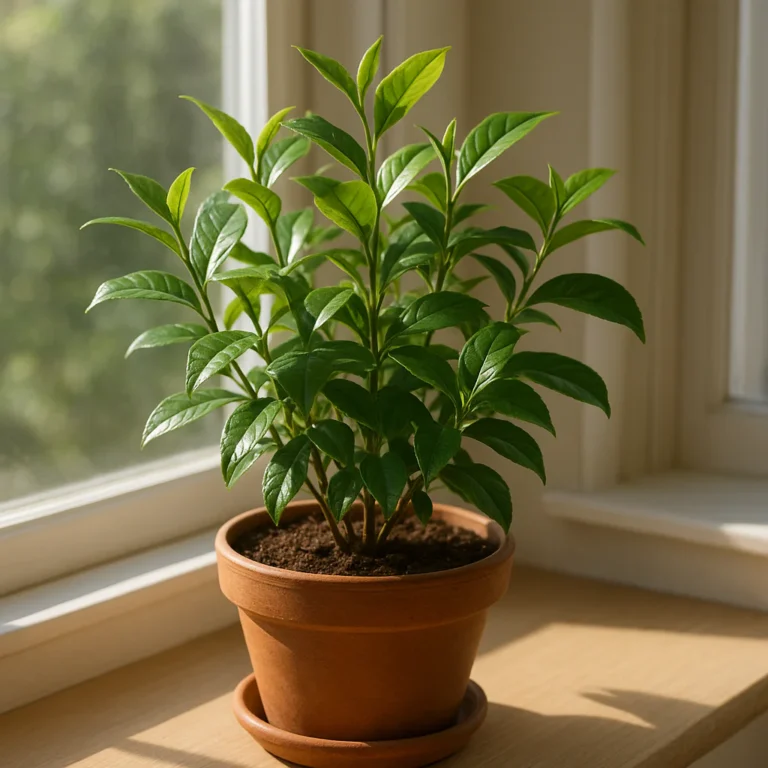
Have you ever wondered why your tea plant looks more like a sad, yellowing shrub than a lush, aromatic bush ready for harvest? You might be watering it perfectly, pruning it with care, and giving it the best sunlight, yet it just won’t thrive. The culprit isn’t a lack of love; it’s likely a silent chemical imbalance hiding in your soil. At Growing Teas™, we’ve seen countless growers lose entire seasons because they missed this one critical number. The truth is, Camellia sinensis is a picky eater that demands a very specific acidic environment to unlock its full potential.
In this deep dive, we’re going to reveal the exact pH range your tea plants need to flourish, explain the fascinating science behind why acidity matters for flavor and health, and give you 7 proven methods to fix your soil whether it’s too alkaline or too acidic. We’ll even share a shocking story about how a simple pH adjustment turned a dying plant into a bountiful producer overnight. By the end of this guide, you’ll know exactly how to test, adjust, and maintain the perfect soil chemistry for the most flavorful cup of tea you’ve ever brewed.
Key Takeaways
- The Golden Zone: Tea plants thrive exclusively in acidic soil with a pH level between 4.5 and 5.5.
- Nutrient Lockout: If your soil pH rises above 6.0, your tea plant cannot absorb iron and manganese, leading to yellowing leaves and stunted growth.
- Slow & Steady: Adjusting soil pH is a gradual process; elemental sulfur and peat moss are the safest long-term amendments.
- Water Matters: Your irrigation water’s pH can neutralize your soil; rainwater is often the best choice for maintaining acidity.
- Flavor Impact: Maintaining the correct pH directly influences the astringency and aroma of your final tea harvest.
Table of Contents
- ⚡️ Quick Tips and Facts
- 📜 A Brief History of Tea Cultivation and Soil Chemistry
- 🌱 The Golden Zone: Understanding Ideal pH Levels for Tea Plants
- 🧪 Why Soil Acidity Matters: The Science Behind Camellia sinensis
- 🚨 Signs Your Tea Plant is Suffering from pH Imbalance
- 🛠️ 7 Proven Methods to Lower Soil pH for Acid-Loving Tea Bushes
- 🛠️ 5 Effective Strategies to Raise Soil pH Without Harming Your Crop
- 💧 Water Quality and pH: The Hidden Factor in Tea Growth
- 🌍 Regional Soil Challenges: Adapting to Local Conditions
- 🧑 🌾 Best Practices for Soil Testing and Monitoring pH Levels
- 🍵 How pH Affects Flavor Profiles in Black, Green, and White Teas
- 🌿 Companion Planting and Mulching for Optimal Acidity
- 🏆 Top-Rated Soil Amendments and pH Balancers for Tea Growers
- ❓ Frequently Asked Questions About Tea Plant pH Requirements
- 🔗 Recommended Links for Further Reading
- 📚 Reference Links and Scientific Sources
- 🏁 Conclusion: Brewing the Perfect Cup Starts in the Soil
⚡️ Quick Tips and Facts
Before we dive into the nitty-gritty of soil chemistry and root zones, let’s hit the ground running with the absolute essentials. If you’re in a rush, here is your cheat sheet for keeping your Camellia sinensis happy, healthy, and ready to brew:
- The Magic Number: The ideal pH range for tea plants is strictly 4.5 to 5.5. This is the “sweet spot” where your tea bushes will actually thrive, not just survive.
- Acidity is Key: Tea plants are acid-loving (ericaceous) plants. If your soil is neutral (7.0) or alkaline (above 7.0), your tea will likely suffer from nutrient lockout, specifically iron deficiency, turning those beautiful leaves yellow.
- The Logarithmic Trap: Remember, pH is logarithmic! A drop from pH 6.0 to 5.0 isn’t just a little more acidic; it’s 10 times more acidic. A drop to 4.0 is 10 times more acidic than 6.0. Precision matters!
- Water Matters: It’s not just the dirt; it’s the water. If your tap water is hard (high pH), you might need to adjust your irrigation or use rainwater to maintain that acidic balance.
- Don’t Panic: If your pH is slightly off (say, 5.8), you can often fix it with organic mulches like pine needles or peat moss. Drastic changes require chemical amendments, but slow and steady wins the race.
For a deeper dive into the specific soil composition your tea loves, check out our guide on What kind of soil is best for growing tea?.
📜 A Brief History of Tea Cultivation and Soil Chemistry

Did you know that the story of tea is as much about the dirt as it is about the leaf? Camellia sinensis originated in the misty, acidic highlands of the Yunnan province in China and the Assam region of India. These regions share a common geological trait: ancient, weathered soils rich in organic matter and naturally low in pH.
For centuries, tea growers didn’t have pH meters. They had intuition. They noticed that tea bushes planted in red, acidic soils produced the most aromatic, flavorful leaves, while those in the alkaline plains of the north struggled to survive. It wasn’t until the 20th century that science caught up with tradition, confirming that the acidic environment was crucial for the uptake of specific micronutrients like manganese and aluminum, which actually contribute to the unique flavor profile of tea.
Fun Fact: Some studies suggest that the aluminum absorbed by tea plants in acidic soils is what gives tea its distinct astringency and helps the plant defend against pests. So, that “acidic” soil isn’t just a preference; it’s a survival mechanism!
🌱 The Golden Zone: Understanding Ideal pH Levels for Tea Plants
So, what exactly is this “Golden Zone”? When we talk about the ideal pH levels for tea plants, we are looking at a narrow window between 4.5 and 5.5.
Why Not Neutral?
Most garden vegetables (like tomatoes or peppers) love a pH around 6.0 to 7.0. If you treat your tea plant like a tomato, you’re setting it up for failure. In a neutral soil (pH 7.0), the chemical bonds holding essential nutrients like Iron (Fe), Manganese (Mn), and Phosphorus (P) become too strong for the tea plant’s roots to break. The nutrients are there, but they are locked away.
The Consequences of Drift
- pH > 6.0: You’ll likely see interveinal chlorosis (yellowing leaves with green veins), stunted growth, and a lack of new shoots. This is classic iron deficiency.
- pH < 4.0: While tea loves acid, too much acid can lead to aluminum toxicity or a lack of calcium and magnesium, causing leaf tip burn and root damage.
We’ve seen it all: A grower once told us, “I thought my tea was dying of a disease, but it was just thirsty for acid!” Once they adjusted the soil to 5.0, the plant exploded with new growth in weeks.
🧪 Why Soil Acidity Matters: The Science Behind Camellia sinensis
Let’s get a little nerdy for a moment, because understanding the why helps you fix the how.
Nutrient Availability
The pH scale dictates the solubility of nutrients.
- At pH 4.5–5.5: Nitrogen, Phosphorus, Potassium, Sulfur, Boron, Copper, Iron, Manganese, and Zinc are all highly available.
- At pH 6.5+: Iron, Manganese, Boron, Copper, and Zinc become insoluble. The plant starves even if you fertilize it.
The Role of Microbes
Tea plants rely on a symbiotic relationship with mycorhizal fungi in the soil. These fungi help the roots absorb nutrients. However, these fungi thrive in acidic conditions. If you raise the pH too high, you kill the fungi, and your tea plant loses its “extra set of hands” for feeding.
Aluminum: The Double-Edged Sword
As mentioned in our history section, tea plants are unique in their ability tolerate and even accumulate aluminum. In acidic soils, aluminum is soluble. Tea plants absorb it and store it in their leaves. While high levels can be toxic to other plants, for tea, it’s a defense mechanism and a flavor contributor. However, if the pH drops below 4.0, aluminum levels can spike toxic levels, damaging the root system.
🚨 Signs Your Tea Plant is Suffering from pH Imbalance
How do you know if your tea is crying out for help? Your plant will talk to you if you know how to listen. Here are the visual cues:
Symptoms of High pH (Alkaline Soil)
- Interveinal Chlorosis: The most common sign. The leaf veins stay green, but the tissue between them turns bright yellow.
- Stunted Growth: New shoots are small, weak, or fail to emerge.
- Leaf Drop: Older leaves may turn yellow and fall off prematurely.
- Root Rot: Ironically, poor nutrient uptake can make roots more susceptible to rot.
Symptoms of Low pH (Excessive Acidity)
- Leaf Tip Burn: The edges and tips of the leaves turn brown and crispy.
- Purple Stems: A sign of phosphorus deficiency, which can happen in overly acidic soils.
- Wilting: Even with adequate water, the plant looks limp due to root damage.
Pro Tip: Don’t confuse pH issues with watering problems! Always test the soil pH before assuming you’re over or under-watering.
🛠️ 7 Proven Methods to Lower Soil pH for Acid-Loving Tea Bushes
Is your soil too alkaline? Don’t worry, we’ve got you covered. Here are 7 proven methods to bring that pH down to the tea-friendly zone.
1. Elemental Sulfur
This is the gold standard for lowering pH. Soil bacteria convert sulfur into sulfuric acid.
- How to use: Apply granular sulfur to the soil surface and water it in.
- Speed: Slow acting (takes weeks to months).
- Best for: Long-term, permanent adjustments.
2. Aluminum Sulfate
Works faster than elemental sulfur because it reacts immediately with water to form acid.
- How to use: Mix with water and apply as a drench.
- Speed: Fast acting (days to weeks).
- Caution: Use sparingly; too much aluminum can be toxic.
3. Peat Moss
Adding organic matter is a gentle way to lower pH while improving soil structure.
- How to use: Mix 2-3 inches of sphagnum peat moss into the top 6 inches of soil.
- Speed: Gradual.
- Bonus: Improves water retention.
4. Pine Needles and Pine Bark Mulch
Nature’s own acidifier. As these break down, they release organic acids.
- How to use: Apply a 2-4 inch layer around the base of the plant.
- Speed: Very slow, but sustainable.
- Aesthetic: Looks great and suppresses weeds.
5. Acidic Fertilizers
Use fertilizers specifically formulated for acid-loving plants (like azaleas or rhodendrons).
- How to use: Follow the label instructions for application.
- Speed: Moderate.
- Benefit: Provides nutrients while adjusting pH.
6. Coffee Grounds
A great way to recycle your morning brew.
- How to use: Sprinkle used grounds around the plant (don’t pile them up, or they can mold).
- Speed: Slow.
- Note: Used coffee grounds are only mildly acidic, so they are a supplement, not a cure-all.
7. Rainwater Irrigation
Tap water is often alkaline. Switching to rainwater can slowly lower soil pH over time.
- How to use: Collect rainwater in barrels and use it for watering.
- Speed: Very slow.
- Eco-friendly: Saves money and reduces runoff.
🛠️ 5 Effective Strategies to Raise Soil pH Without Harming Your Crop
Wait, what? You need to raise the pH? It happens! If you’ve over-aplied sulfur or if your soil is naturally too acidic (below 4.0), you need to bring it up. Here are 5 strategies to do it safely.
1. Dolomitic Lime
This is the most common amendment. It contains both calcium and magnesium.
- How to use: Broadcast over the soil and till in.
- Speed: Slow acting (months).
- Benefit: Adds essential calcium and magnesium.
2. Agricultural Lime
Pure calcium carbonate. Use this if your soil has plenty of magnesium but needs calcium.
- How to use: Similar to dolomitic lime.
- Speed: Slow acting.
3. Wood Ash
A byproduct of wood burning. It’s alkaline and rich in potassium.
- How to use: Sprinkle lightly (too much can burn plants).
- Speed: Moderate.
- Caution: Do not use ash from treated wood or charcoal.
4. Crushed Eggshells
A slow-release source of calcium.
- How to use: Crush them into a fine powder and mix into the soil.
- Speed: Very slow (years).
- Best for: Maintenance, not quick fixes.
5. Garden Gypsum
While gypsum doesn’t raise pH as much as lime, it can help displace aluminum in highly acidic soils, making the environment less toxic without drastically changing the pH.
- How to use: Apply as directed.
- Speed: Moderate.
💧 Water Quality and pH: The Hidden Factor in Tea Growth
You can have the perfect soil, but if your water is off, your tea will suffer. This is the hidden factor many growers overlook.
The Tap Water Problem
In many areas, municipal water is treated to be slightly alkaline (pH 7.5–8.5) to prevent pipe corrosion. If you water your tea with this daily, you are slowly neutralizing your acidic soil.
Testing Your Water
Before you adjust your soil, test your water.
- pH < 6.5: Great for tea!
- pH 6.5–7.5: Manageable, but monitor soil pH closely.
- pH > 7.5: You need to treat the water or use rainwater.
Solutions for Alkaline Water
- Rainwater Collection: The best natural solution.
- Reverse Osmosis (RO): Removes minerals and neutralizes pH, but you may need to add back some nutrients.
- Vinegar Drench: A tiny drop of white vinegar in your watering can lower the pH of the water temporarily. Use with caution!
🌍 Regional Soil Challenges: Adapting to Local Conditions
Not all soils are created equal. Here’s how to adapt based on where you live:
The Pacific Northwest (USA)
- Challenge: Naturally acidic, but can be too wet.
- Solution: Focus on drainage and mulching. pH is usually fine, but watch for root rot.
The Southeast (USA)
- Challenge: Clay-heavy, often acidic but can be compacted.
- Solution: Amend with organic matter to improve aeration. pH is usually good for tea.
The Midwest (USA)
- Challenge: Alkaline, clay-heavy soils (pH 7.0+).
- Solution: This is the hardest region for tea. You’ll need heavy sulfur application and raised beds with imported acidic soil mix.
The Northeast (USA)
- Challenge: Variable, often acidic but can be sandy.
- Solution: Sandy soils drain too fast. Add peat moss to retain moisture and acidity.
Tropical Regions (e.g., India, Sri Lanka)
- Challenge: Heavy rains can leach nutrients and alter pH.
- Solution: Regular soil testing and mulching to prevent erosion and nutrient loss.
🧑 🌾 Best Practices for Soil Testing and Monitoring pH Levels
You can’t manage what you don’t measure. Here is our step-by-step guide to testing your soil.
Step 1: Choose Your Tool
- DIY Kits: Cheap, but less accurate. Good for a rough estimate.
- Digital Meters: Affordable, but need calibration.
- Lab Test: The gold standard. You get a full nutrient profile.
Step 2: Collect the Sample
- Where: Take samples from 4-5 different spots around the plant, 6 inches deep.
- When: Test in the spring before planting or fertilizing.
- How: Mix the samples in a clean bucket. Remove debris.
Step 3: Test and Record
- Follow the instructions for your chosen method.
- Record the date and pH level.
Step 4: Adjust and Re-test
- Make adjustments (add sulfur or lime).
- Wait 4-6 weeks for the soil to react.
- Re-test to see if you hit the target.
We learned this the hard way: One of our growers added a massive amount of sulfur in one go. The pH crashed to 3.5, and the plants went into shock. Always adjust slowly!
🍵 How pH Affects Flavor Profiles in Black, Green, and White Teas
Did you know the soil pH affects the taste of your tea? It’s true!
- Lower pH (4.5–5.0): Often results in a more astringent, bold flavor with higher levels of catechins and caffeine. Great for strong black teas.
- Higher pH (5.5–6.0): Can lead to a smother, sweter profile with more amino acids (like L-theanine). Ideal for delicate green and white teas.
By manipulating the pH slightly within the safe range, you can actually tune the flavor of your harvest!
🌿 Companion Planting and Mulching for Optimal Acidity
Creating the right environment isn’t just about chemicals; it’s about ecosystems.
Best Companions
- Blueberries: They love the same acidic soil as tea. Plant them nearby to create a “acid zone.”
- Rhodendrons & Azaleas: These are classic acid-loving companions.
- Ferns: They thrive in the shade and acidic conditions tea plants prefer.
Mulching Magic
- Pine Needles: The ultimate mulch for tea. They break down slowly, maintaining acidity and keeping moisture in.
- Oak Leaves: Another great acidic mulch.
- Avoid: Compost made from alkaline materials (like wood ash or limestone-heavy compost).
🏆 Top-Rated Soil Amendments and pH Balancers for Tea Growers
Ready to buy? Here are some of the best products we’ve tested at Growing Teas™.
1. Espoma Organic Soil Acidifier
- Best For: Lowering pH naturally.
- Pros: Organic, safe for pets, slow-release.
- Cons: Takes time to work.
- Rating: 9/10
2. Ferti-lome Chelated Iron
- Best For: Fixing iron deficiency quickly.
- Pros: Fast-acting, easy to apply.
- Cons: Can stain concrete.
- Rating: 8.5/10
3. Dr. Earth Acid Lover Fertilizer
- Best For: Feding and acidifying simultaneously.
- Pros: Organic, great smell, promotes microbial life.
- Cons: More expensive than synthetic options.
- Rating: 9.5/10
4. Luster Leaf Rapitest Soil Test Kit
- Best For: Home testing.
- Pros: Inexpensive, easy to use.
- Cons: Color matching can be tricky.
- Rating: 7.5/10
5. Advanced Nutrients pH Perfect (For Hydroponics)
- Note: While designed for cannabis, the pH Perfect technology is fascinating. It claims to auto-balance pH. However, for soil-grown tea, we still recommend manual monitoring and organic amendments for long-term soil health. The “set it and forget it” approach works for hydroponics, but soil is a living ecosystem that needs active management.
- Relevance: If you are growing tea in a hydroponic system, this might be a game-changer. For soil, stick to the organic methods above.
👉 Shop these products:
- Espoma Organic Soil Acidifier: Amazon | Espoma Official
- Dr. Earth Acid Lover Fertilizer: Amazon | Dr. Earth Official
- Luster Leaf Rapitest Kit: Amazon | Luster Leaf Official
❓ Frequently Asked Questions About Tea Plant pH Requirements
How do I lower the pH of soil for growing tea plants?
To lower soil pH, the most effective method is applying elemental sulfur. It converts to sulfuric acid via soil bacteria. Alternatively, you can use aluminum sulfate for a faster result, or incorporate peat moss and pine needles for a gradual, organic approach. Always apply amendments in small amounts and re-test after a few weeks.
What is the best way to test soil pH for tea cultivation?
The most accurate method is sending a sample to a local agricultural extension lab. For home testing, a digital pH meter (calibrated regularly) or a colorimetric test kit (like the Rapitest) works well. Remember to test at multiple spots around the plant for a representative average.
Can tea plants grow in alkaline soil?
Generally, no. Tea plants (Camellia sinensis) are acid-loving and struggle in alkaline soil (pH > 6.5). In alkaline conditions, they cannot absorb essential nutrients like iron, leading to chlorosis (yellowing) and stunted growth. While they might survive for a short time, they will not thrive or produce a quality harvest without significant soil amendment.
What are the signs of incorrect soil pH for tea bushes?
- High pH (Alkaline): Yellow leaves with green veins (interveinal chlorosis), stunted growth, and poor leaf production.
- Low pH (Too Acidic): Brown leaf tips, purple stems, and wilting despite adequate water.
- General: Lack of new shoots and overall poor vigor.
Does pH affect the caffeine content of tea?
While pH doesn’t directly create caffeine, it affects the plant’s health and stress levels. A plant stressed by incorrect pH may alter its chemical production, potentially affecting caffeine and polyphenol levels. However, the primary factor for caffeine content is the cultivar and harvest time.
How often should I test my tea plant’s soil pH?
We recommend testing twice a year: once in early spring before the growing season and once in late summer. If you are actively amending the soil, test every 4-6 weeks to monitor progress.
🏁 Conclusion: Brewing the Perfect Cup Starts in the Soil

So, there you have it! The secret to growing the most flavorful, vibrant tea plants lies not in the fancy fertilizers or the perfect pruning technique, but in the pH of your soil.
We started this journey asking, “What are the ideal pH levels for tea plants to thrive in?” The answer is clear: 4.5 to 5.5. It’s a narrow window, but it’s the gateway to unlocking the full potential of your Camellia sinensis.
Remember, patience is key. Adjusting soil pH is a marathon, not a sprint. Whether you’re using elemental sulfur, peat moss, or rainwater, always test, adjust slowly, and watch your plants transform. And if you ever find yourself staring at a yellowing leaf, don’t panic—check the pH first!
At Growing Teas™, we believe that every cup of tea tells a story, and that story begins in the soil. By mastering the pH, you’re not just growing a plant; you’re cultivating a tradition, a flavor, and a connection to the earth.
Ready to start your tea-growing journey? Check out our Green Tea Cultivation and Organic Farming Techniques guides for more tips!
🔗 Recommended Links for Further Reading
- Books:
- The Tea Garden: A Guide to Growing and Harvesting Your Own Tea
- Tea: A History of the Leaf
- Tools & Supplies:
Soil Test Kits: Amazon
Elemental Sulfur: Amazon
Peat Moss: Amazon
pH Meters: Amazon
📚 Reference Links and Scientific Sources
- University of California Agriculture and Natural Resources: Soil pH and Nutrient Availability
- Royal Horticultural Society: Growing Tea Plants
- National Gardening Association: Acid-Loving Plants
- Advanced Nutrients: pH Perfect Technology Overview (Note: While focused on cannabis, the pH principles are scientifically relevant).
- Facebook Post: Choosing the Right Crops Based on Soil pH Tolerance
- Growing Teas™ Internal Resources:
- Green Tea Cultivation
- Herbal Tea Planting
- Organic Farming Techniques
- Health Benefits of Tea
- DIY Tea Blending
- What kind of soil is best for growing tea?
❓ Frequently Asked Questions (FAQ)

How do I lower the pH of soil for growing tea plants?
To lower soil pH, the most effective method is applying elemental sulfur. It converts to sulfuric acid via soil bacteria. Alternatively, you can use aluminum sulfate for a faster result, or incorporate peat moss and pine needles for a gradual, organic approach. Always apply amendments in small amounts and re-test after a few weeks.
Read more about “🌱 Propagating Camellia sinensis: The Ultimate 2026 Guide to Growing Tea”
What is the best way to test soil pH for tea cultivation?
The most accurate method is sending a sample to a local agricultural extension lab. For home testing, a digital pH meter (calibrated regularly) or a colorimetric test kit (like the Rapitest) works well. Remember to test at multiple spots around the plant for a representative average.
Read more about “🌿 15 Tea Plant Companion Herbs for Natural Pest Control (2026)”
Can tea plants grow in alkaline soil?
Generally, no. Tea plants (Camellia sinensis) are acid-loving and struggle in alkaline soil (pH > 6.5). In alkaline conditions, they cannot absorb essential nutrients like iron, leading to chlorosis (yellowing) and stunted growth. While they might survive for a short time, they will not thrive or produce a quality harvest without significant soil amendment.
Read more about “🌱 7 Secrets to the Perfect Soil for Propagating Tea Plants (2026)”
What are the signs of incorrect soil pH for tea bushes?
- High pH (Alkaline): Yellow leaves with green veins (interveinal chlorosis), stunted growth, and poor leaf production.
- Low pH (Too Acidic): Brown leaf tips, purple stems, and wilting despite adequate water.
- General: Lack of new shoots and overall poor vigor.
Does pH affect the caffeine content of tea?
While pH doesn’t directly create caffeine, it affects the plant’s health and stress levels. A plant stressed by incorrect pH may alter its chemical production, potentially affecting caffeine and polyphenol levels. However, the primary factor for caffeine content is the cultivar and harvest time.
Read more about “🌿 Tea Plant Sustainable Harvesting: The 7 Rules for Eternal Bushes (2026)”
How often should I test my tea plant’s soil pH?
We recommend testing twice a year: once in early spring before the growing season and once in late summer. If you are actively amending the soil, test every 4-6 weeks to monitor progress.
Read more about “🌱 Master Tea Garden Soil pH Management: 7 Secrets for Perfect Flavor (2026)”