Support our educational content for free when you purchase through links on our site. Learn more
🍄 5 Deadly Soil Pests & Diseases Threatening Your Tea (2026)

Yes, there are specific, silent killers lurking in your soil that can decimate your Camellia sinensis before you even brew your first cup. The answer to “Are there any specific soil-borne diseases or pests that I should be aware of when growing tea plants?” is a resounding yes, with Phytophthora root rot and root-knot nematodes being the top two threats you must identify immediately.
We once watched a promising harvest vanish in a single rainy week because the soil stayed too wet, turning vibrant green roots into black mush. It wasn’t a lack of care; it was a microscopic invasion that went unnoticed until it was too late.
Did you know that a single gram of infected soil can contain thousands of nematode eggs, waiting for the perfect moment to strike? That’s why understanding the underground battlefield is just as critical as tending to the leaves above.
Key Takeaways
- Phytophthora root rot is the most devastating fungal threat, thriving in waterlogged soils and causing rapid plant collapse.
- Root-knot nematodes are microscopic worms that create galls on roots, stunting growth and inviting secondary infections.
- Prevention is paramount: Maintain acidic soil (pH 5.0–6.5) and ensure excellent drainage to create an environment hostile to these pests.
- Early detection is your best defense; regularly inspect roots for discoloration, mushiness, or unusual knots.
- Integrated Pest Management (IPM) using beneficial microbes like Trichoderma and proper sanitation offers the most sustainable control.
Table of Contents
- ⚡️ Quick Tips and Facts
- 🌱 A Brief History of Tea Plant Pathology: From Ancient Roots to Modern Roots
- 🍄 The Fungal Foes: Identifying and Treating Root Rot and Leaf Blight
- 1. How to Spot Phytophthora Root Rot Before It Kills Your Camellia sinensis
- 2. Battling Exobasidium Leaf Blight: The White Mold Menace
- 3. Managing Algal Leaf Spot: When Green Turns to Gray
- 🐛 The Insect Invaders: Soil-Dwelling Pests That Threaten Your Harvest
- 1. Unearthing the Damage: Tea Wevils and Their Larvae
- 2. The Silent Strangler: Nematode Infestations in Tea Gardens
- 3. Root Aphids and Scale: The Underground Sappers
- 🧪 Soil Science 101: Creating an Unfriendly Environment for Pests and Diseases
- 1. Perfecting pH and Drainage to Prevent Waterlogged Roots
- 2. The Power of Organic Matter: Building Resilient Soil Structure
- 3. Crop Rotation and Companion Planting Strategies for Tea
- 🛡️ Integrated Pest Management (IPM): A Holistic Approach to Tea Health
- 1. Biological Controls: Using Beneficial Nematodes and Fungi
- 2. Organic Fungicides and Insecticides: What Actually Works?
- 3. Cultural Practices: Pruning, Sanitation, and Airflow
- 🔍 Diagnostic Deep Dive: How to Tell If Your Plant is Sick or Just Stressed
- 🌍 Global Perspectives: Regional Soil-Borne Issues in Major Tea Growing Zones
- 🧰 Top Choice Tools of the Pros: Testing Kits and Treatment Gear
- 📚 Recommended Links
- ❓ FAQ
- 📖 Reference Links
⚡️ Quick Tips and Facts
Before we dive into the muddy, microscopic world of what’s eating your Camellia sinensis roots, let’s hit the ground running with some non-negotiable truths about tea plant health. We’ve seen too many hopeful gardeners lose their entire crop because they ignored the basics.
- Drainage is King: Tea plants hate “wet feet.” If your soil stays sogy for more than 24 hours, you are practically inviting Phytophthora root rot to a party. ✅
- pH Matters: Aim for a slightly acidic soil between 5.0 and 6.5. Anything above 6.5 locks up nutrients and stresses the plant, making it a sitting duck for pests.
- The “Silent” Killers: Many soil-borne pests, like nematodes, do their damage underground. By the time you see yellowing leaves, the root system might already be compromised.
- Organic isn’t always “Safe”: Just because you’re using organic compost doesn’t mean it’s pathogen-free. Uncomposted manure can introduce E. coli or Salmonella, which is a nightmare for a food crop.
- Airflow is Armor: Good air circulation above ground helps dry the soil surface, reducing the humidity that fungal spores love.
If you are wondering, “But what exactly makes my soil perfect for tea?”, we’ve broken that down in detail over at our guide on What kind of soil is best for growing tea?.
🌱 A Brief History of Tea Plant Pathology: From Ancient Roots to Modern Roots

You might think soil diseases are a modern problem caused by industrial farming, but tea growers have been battling these invisible foes for centuries. In ancient China, tea was often grown in misty, mountainous regions where the soil was naturally well-drained and acidic. However, as cultivation moved to lower elevations and denser plantations, the “perfect storm” for disease emerged.
Historically, farmers noticed that certain fields would suddenly turn yellow and die, while neighboring plots thrived. They didn’t have microscopes, so they blamed “bad spirits” or poor luck. It wasn’t until the 19th and 20th centuries that science identified the culprits: fungi, bacteria, and nematodes.
One of the most famous historical outbreaks was the Tea Blight in the late 180s in India, which devastated the burgeoning tea industry. This led to the first major studies on Exobasidium leaf blight and the realization that soil health was inextricably linked to leaf health.
Today, we know that the soil microbiome is a delicate balance. When we disrupt this balance with poor drainage, incorrect pH, or chemical overuse, we tip the scales in favor of the pathogens. Understanding this history helps us appreciate why preventative soil management is far superior to reactive treatment.
🍄 The Fungal Foes: Identifying and Treating Root Rot and Leaf Blight
Fungi are the most common soil-borne enemies of the tea plant. They thrive in cool, wet, and poorly aerated soils. Let’s break down the big three fungal threats you need to watch out for.
1. How to Spot Phytophthora Root Rot Before It Kills Your Camellia sinensis
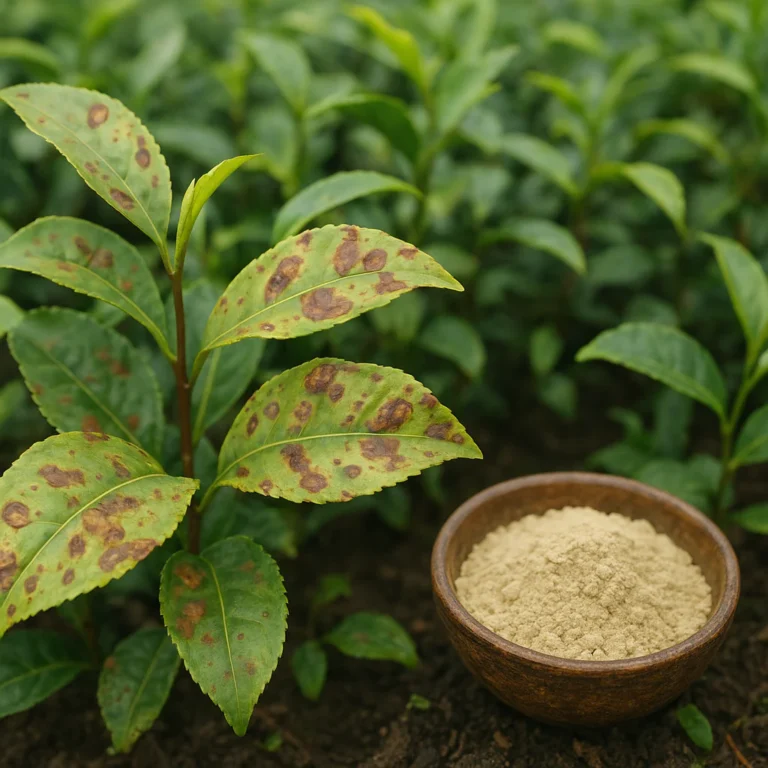
Phytophthora cinnamomi is the “wicked witch” of the tea world. It’s an omycete (water mold) that attacks the roots, causing them to turn brown and mushy.
- Symptoms:
Yellowing leaves that don’t recover with watering.
Wilting even when the soil is wet.
Root inspection: Healthy roots are white and firm; infected roots are dark, slimy, and smell like rot. - The Trap: Many gardeners see the wilting and think, “My plant is thirsty!” and water more, which only accelerates the rot. ❌
Treatment & Prevention:
- Immediate Action: If you catch it early, improve drainage immediately. Remove the plant, trim away all blackened roots, and replant in fresh, sterile soil.
- Chemical Control: Fungicides containing mefenoxam or phosphites can help, but they are often a band-aid.
- Organic Approach: Use Trichoderma harzianum, a beneficial fungus that competes with Phytophthora. You can find this in products like BioLogic Trichoderma.
Pro Tip: Always water in the morning so the soil surface dries out by evening. This simple habit can cut your risk of Phytophthora by half.
2. Battling Exobasidium Leaf Blight: The White Mold Menace
While Exobasidium vexans primarily affects the leaves, its lifecycle is deeply connected to soil moisture and humidity. It creates white, blister-like spots on the leaves that eventually turn brown and crispy.
- The Connection: High humidity and poor airflow create the perfect environment for spores to land and infect.
- Identification: Look for white, raised lesions on the underside of young leaves.
- Management:
Pruning: Remove infected leaves immediately to stop spore spread.
Fungicides: Copper-based fungicides (like Bonide Copper Fungicide) are effective if applied preventatively.
Soil Health: Ensure your soil isn’t waterlogged, as stressed plants are more susceptible.
For more on maintaining healthy leaves, check out our guide on Green Tea Cultivation.
3. Managing Algal Leaf Spot: When Green Turns to Gray
Caused by Cephaleuros virescens, this is a parasitic alga that looks like a fuzzy gray or green spot on the leaves. It’s often mistaken for a fungal infection.
- Conditions: It loves hot, humid, and shady conditions.
- Impact: It reduces photosynthesis, leading to weaker plants and lower yields.
- Solution:
Sunlight: Increase light exposure by pruning surrounding vegetation.
Copper Sprays: Similar to fungal blights, copper sprays work well.
Airflow: Space your plants out! Crowding is the enemy here.
🐛 The Insect Invaders: Soil-Dwelling Pests That Threaten Your Harvest
While fungi are the silent killers, insects are the active saboteurs. These pests live in the soil, attacking roots and making it impossible for the plant to uptake water and nutrients.
1. Unearthing the Damage: Tea Wevils and Their Larvae
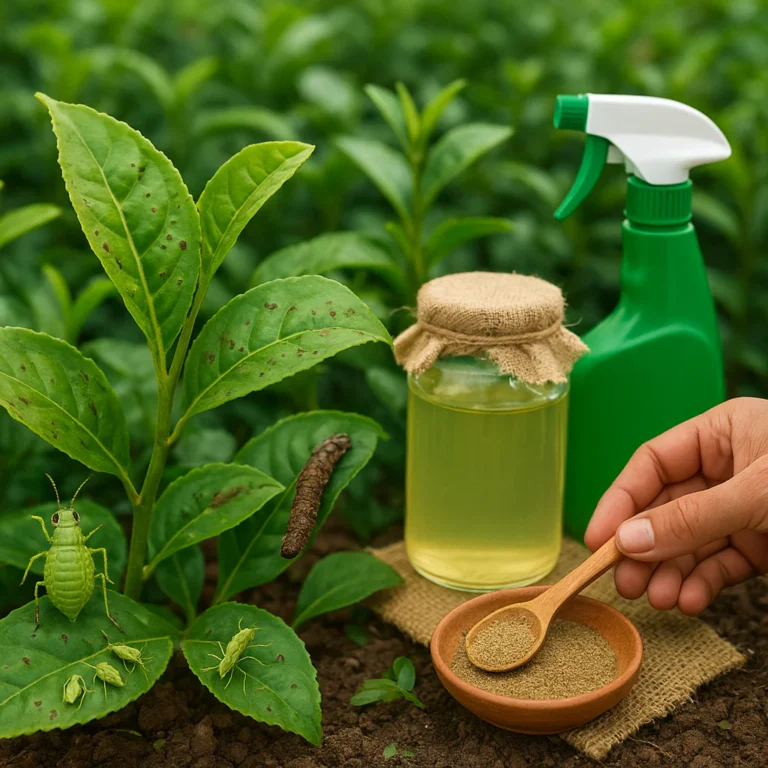
Tea Wevils (Apion species) are small, dark beetles. The adults chew on the leaves, but the larvae are the real troublemakers, burowing into the roots and stems.
- Signs of Infestation:
- Notches on leaf edges (adults).
- Stunted growth and yellowing (larvae).
- Small holes in the soil near the base of the plant.
- Control:
Handpicking: Adults are slow and can be picked off by hand in the early morning.
Nematodes: Apply beneficial nematodes (like Steinernema feltiae) to the soil to target the larvae.
Diatomaceous Earth: Sprinkle food-grade DE around the base to deter crawling adults.
2. The Silent Strangler: Nematode Infestations in Tea Gardens
Root-knot nematodes (Meloidogyne species) are microscopic worms that are nearly impossible to see without a microscope. They inject enzymes into the roots, causing galls (knots) that disrupt nutrient flow.
- Why they are dangerous: They are often undetected until the plant is severely stunted.
- Symptoms:
- General yellowing and stunting.
Galls on the roots (feel for lumps when you pull the plant up). - Increased susceptibility to fungal diseases.
- Management:
Solarization: Cover moist soil with clear plastic for 4-6 weeks in summer to cook the nematodes.
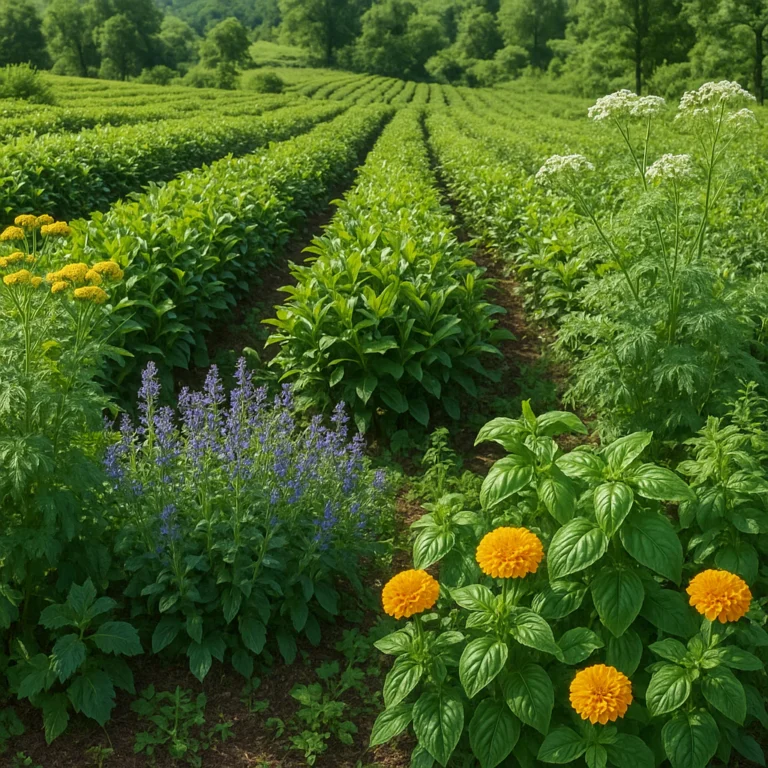
Marigolds: Plant French marigolds (Tagetes patula) as a trap crop; their roots release alpha-terthienyl, which is toxic to nematodes.
Organic Amendments: Add high levels of organic matter to encourage beneficial microbes that prey on nematodes.
3. Root Aphids and Scale: The Underground Sappers
While we usually think of aphids on leaves, root aphids and scale insects can live entirely underground, sucking sap from the roots.
- Identification: Look for white, waxy masses on the roots or sticky honeydew on the soil surface.
- Control:
Nem Oil: A soil drench with neem oil can suffocate these pests.
Beneficial Insects: Introduce predatory beetles or lacewings.
Soil Flushing: Sometimes, a heavy flush of water can dislodge them, but be careful not to waterlog the plant.
🧪 Soil Science 101: Creating an Unfriendly Environment for Pests and Diseases
You can’t fight a war if you don’t control the battlefield. In tea growing, the battlefield is your soil. By optimizing soil conditions, you make it incredibly difficult for pests and diseases to establish a foothold.
1. Perfecting pH and Drainage to Prevent Waterlogged Roots
Tea plants are acidophiles. They crave acidic soil. If your pH drifts above 6.5, the plant becomes stressed, and pathogens thrive.
- Testing: Use a reliable pH meter like the Luster Leaf Rapitest or send a sample to your local extension service.
- Lowering pH: Add elemental sulfur or peat moss to lower pH.
- Drainage: If you have clay soil, you must amend it.
Amendments: Mix in perlite, coarse sand, or pine bark fines.
Raised Beds: Consider planting in raised beds to ensure water drains away from the root zone.
2. The Power of Organic Matter: Building Resilient Soil Structure
Organic matter is the glue that holds soil together and feeds the beneficial microbes that fight off bad guys.
- Compost: Use well-composted organic matter. Remember the warning from the Holden Forest & Garden summary: uncomposted manure can introduce human pathogens.
- Mulch: Apply a 2-3 inch layer of pine straw or wood chips. This regulates soil temperature, retains moisture without waterlogging, and suppresses weeds.
- Microbial Diversity: A diverse soil microbiome is a healthy soil microbiome. Avoid broad-spectrum fungicides that kill good fungi along with the bad.
3. Crop Rotation and Companion Planting Strategies for Tea
While tea is a perennial and doesn’t rotate like annuals, you can use companion planting to disrupt pest cycles.
- Companions:
Marigolds: Deter nematodes.
Garlic/Onions: Their strong scent confuses pests and has natural antifungal properties.
Legumes: Fix nitrogen in the soil, reducing the need for synthetic fertilizers that can harm soil structure. - Avoid: Planting tea near other plants susceptible to the same diseases (like other Camellia species) to prevent cross-contamination.
For more on building a resilient garden, explore our Organic Farming Techniques category.
🛡️ Integrated Pest Management (IPM): A Holistic Approach to Tea Health
Integrated Pest Management (IPM) is not a single product; it’s a strategy. It combines cultural, biological, and chemical controls to manage pests with minimal environmental impact.
1. Biological Controls: Using Beneficial Nematodes and Fungi
Nature has its own army. Why not hire them?
- Beneficial Nematodes: Species like Steinernema carpocapsae hunt down soil-dwelling insect larvae.
- Trichoderma: This beneficial fungus colonizes roots and outcompetes pathogenic fungi like Phytophthora.
- Compost Tea: As discussed in the competing article summary, the efficacy of compost tea as a pathogen suppressor is debated. While it may not be a “silver bullet,” it can boost plant immunity if brewed correctly.
Recipe: Use aerated compost tea (ACT) with fish emulsion and kelp.
Timing: Apply within 4 hours of brewing.
Caution: Do not use on food crops within 120 days of harvest if the compost contains animal manure.
2. Organic Fungicides and Insecticides: What Actually Works?
Sometimes, you need a little help. Here are the most effective organic options:
- Copper Fungicides: Effective against fungal and bacterial diseases. Use sparingly to avoid copper buildup in the soil.
- Nem Oil: A multi-purpose oil that acts as an insecticide, miticide, and fungicide.
- Bacillus thuringiensis (Bt): Specifically targets caterpillars and larvae.
- Potassium Bicarbonate: Great for powdery mildew and algal spots.
Brand Recommendations:
- Bonide: Offers a wide range of organic copper and neem products.
- Garden Safe: Known for their organic fungicides and insecticides.
- Safer Brand: Excellent for neem oil and insecticidal soaps.
👉 Shop Bonide Products on:
3. Cultural Practices: Pruning, Sanitation, and Airflow
The best defense is a good offense.
- Sanitation: Remove fallen leaves and debris immediately. This is where many pathogens overwinter.
- Pruning: Thin out the center of the plant to improve airflow.
- Watering: Water at the base, not the leaves. Wet leaves invite fungal spores.
🔍 Diagnostic Deep Dive: How to Tell If Your Plant is Sick or Just Stressed
Is your tea plant yellow because of a disease, or just because you forgot to water it? This is the million-dollar question.
- Stress vs. Disease:
Stress: Usually affects the whole plant uniformly. Leaves turn yellow or drop, but roots are white and firm.
Disease: Often affects specific branches or shows distinct spots, galls, or rot. Roots are black, slimy, or have knots. - The Root Test: The only way to be sure is to gently dig up a small section of the root system.
Healthy: White, firm, no smell.
Unhealthy: Brown/black, mushy, foul smell, or galls.
If you are unsure, take a sample to your local Coperative Extension Service. They can often identify the pathogen for free or a small fee.
🌍 Global Perspectives: Regional Soil-Borne Issues in Major Tea Growing Zones
Tea is grown all over the world, and the pests vary by region.
- India (Assam/Darjeling): High humidity makes Exobasidium and algal leaf spot major issues.
- China: Phytophthora is a concern in lower elevation plantations.
- Japan: Nematodes are a significant problem in some regions due to intensive cultivation.
- USA (Hawaii/South Carolina): As tea cultivation expands in the US, we are seeing a mix of tropical and temperate pests. Root rot is the biggest threat in our humid, rainy climates.
Understanding your local climate and common pests is crucial for proactive management.
🧰 Top Choice Tools of the Pros: Testing Kits and Treatment Gear
You can’t manage what you can’t measure. Here are the tools we swear by at Growing Teas™.
| Tool | Purpose | Why We Love It |
|---|---|---|
| Luster Leaf Rapitest | Soil pH & Nutrient Testing | Affordable, easy to use, and gives quick results. |
| Garden Safe Take & Test | Soil pH & NPK | More detailed than basic testers, great for beginners. |
| BioLogic Trichoderma | Biological Fungicide | Highly effective against root rot and blight. |
| Bonide Copper Fungicide | Fungal/Bacterial Control | A classic, reliable organic option. |
| Diatomaceous Earth | Insect Deterent | Safe for humans, deadly to crawling pests. |
👉 Shop Soil Test Kits on:
👉 Shop Biological Controls on:
Conclusion

So, are there specific soil-borne diseases or pests you should be aware of when growing tea plants? Absolutely. From the silent, root-roting Phytophthora to the microscopic nematodes and the leaf-scorching Exobasidium, the threats are real. But here’s the good news: knowledge is power.
By understanding the soil conditions that favor these pests, maintaining proper drainage, and adopting an Integrated Pest Management (IPM) approach, you can grow healthy, vibrant tea plants that produce the best leaves for your cup. Remember, the goal isn’t to create a sterile environment, but a balanced ecosystem where beneficial microbes keep the bad guys in check.
Don’t let the fear of disease stop you from growing your own tea. Start with good soil, monitor your plants closely, and act fast if you see trouble. Your future cup of tea is worth the effort!
Final Recommendation:
- For Beginners: Start with raised beds and well-draining soil mix. Use compost and mulch to build soil health.
- For Experienced Growers: Implement soil testing and biological controls like Trichoderma and beneficial nematodes.
- The Golden Rule: Prevention is better than cure. A healthy plant is the best defense against disease.
Recommended Links
Essential Tools & Products:
- Soil Test Kits: Amazon | Walmart
- Organic Fungicides: Bonide Copper Fungicide | Garden Safe
- Beneficial Nematodes: BioLogic | EcoSafe
- Compost Tea Brewers: Back to the Roots | Gardener’s Supply
Books & Resources:
- The Tea Plant: A Comprehensive Guide to Growing and Brewing (Available on Amazon)
- Organic Gardening for Tea (Available on Amazon)
FAQ

What are the most common fungal diseases affecting tea plant roots?
The most common fungal (and omycete) diseases affecting tea roots are Phytophthora root rot and root-knot nematode infections (though nematodes are animals, they often act like fungal pathogens). Phytophthora thrives in wet, poorly drained soils and causes roots to turn brown and mushy. Exobasidium primarily affects leaves but is linked to high humidity and poor soil health.
How can I prevent root rot in my tea garden?
Prevention is key. Ensure your soil has excellent drainage by adding perlite, sand, organic matter. Plant in raised beds if you have heavy clay soil. Avoid overwatering; let the top inch of soil dry out between waterings. Maintain a pH between 5.0 and 6.5. If you suspect root rot, remove the plant, trim infected roots, and replant in fresh soil.
Read more about “🌱 7 Proven Ways to Stop Soil Erosion & Boost Tea Garden Quality (2026)”
Are there organic methods to control nematodes in tea soil?
Yes! You can use beneficial nematodes (Steinernema species) to prey on root-knot nematodes. Planting French marigolds (Tagetes patula) as a trap crop is also highly effective. Solarization (covering moist soil with clear plastic for 4-6 weeks) can cook nematodes in the top layer of soil. Adding high levels of organic matter encourages beneficial microbes that compete with nematodes.
Read more about “🌱 Black vs. Green vs. Herbal Tea: The Soil Truth (2026)”
What soil conditions make tea plants more susceptible to pests?
Poor drainage and waterlogged soil are the biggest culprits, as they create the perfect environment for Phytophthora and other root rot pathogens. High pH (above 6.5) stresses the plant, making it more susceptible to pests. Compacted soil restricts root growth and oxygen flow, weakening the plant’s natural defenses.
Read more about “🌱 7 Best Fertilizers for Tea Plants (2026)”
Reference Links
- Holden Forest & Garden: Compost Tea and Soil-Borne Disease/Pest Management
- Jackson & Perkins: Understanding Grafted vs. Own Root Roses
- University of California Agriculture and Natural Resources: Phytophthora Root Rot of Tea
- International Tea Committee: Tea Plant Diseases
- Growing Teas™: What kind of soil is best for growing tea?
- Growing Teas™: Green Tea Cultivation
- Growing Teas™: Organic Farming Techniques
- Growing Teas™: Fertilizers for Tea Plants
Featured Video:
For a visual guide on setting up your tea garden, check out this helpful video from Roots and Refuge Farm: What I’m growing in my TEA GARDEN (12 plants and how to use them).