Support our educational content for free when you purchase through links on our site. Learn more
10 Essential Tea Plant Care Tips for Lush Leaves 🍃 (2026)

If you want your tea plants to thrive, the secret lies in consistent watering, acidic soil, and strategic pruning. These core tea plant care tips ensure your Camellia sinensis grows healthy, vibrant, and ready for harvest. Skip the guesswork—start with these essentials and watch your tea garden flourish!
Did you know tea plants can live for decades and produce leaves that fuel the world’s favorite beverage? Our Growing Teas™ team once nurtured a tiny seedling that transformed into a thriving bush, yielding enough leaves for dozens of cups of fresh tea. The journey from seed to sip is rewarding, but only if you get the care right from the start.
Ready to grow your own tea? Let’s spill the leaves on everything you need to know.
Key Takeaways
- Water consistently but avoid waterlogging; tea plants prefer moist, well-drained soil.
- Use acidic soil with a pH between 5.0 and 6.5 to mimic their natural habitat.
- Prune regularly to encourage bushy growth and improve leaf yield.
- Provide partial shade for young plants and full sun for mature shrubs to optimize growth.
- Maintain high humidity and moderate temperatures for optimal plant health.
- Harvest the top two leaves and a bud for the best flavor and antioxidant content.
Table of Contents
- ⚡️ Quick Tips and Facts for Thriving Tea Plants
- 🌱 Tea Plant Origins and Growing History: From Camellia Sinensis to Your Garden
- 🍃 Tea Plant Basics: Understanding Camellia Sinensis Varieties and Growth Habits
- 1. 🌞 Mastering Sunlight Needs: How Much Light Does Your Tea Plant Crave?
- 2. 💧 Watering Wisdom: Keeping Your Tea Plant Hydrated Without Overdoing It
- 3. 🌿 Fertilising Fundamentals: Feeding Your Tea Plant for Lush Growth
- 4. ✂️ Pruning Perfection: Shaping Your Tea Plant for Health and Harvest
- 5. 🌡️ Temperature and Humidity: Creating the Ideal Climate for Tea Plant Success
- 6. 🪴 Growing Tea Plants Indors: Tips for Thriving Houseplant Tea Gardens
- 7. 🌿 Container Cultivation: Growing Tea Plants in Pots and Planters
- 8. 🐛 Pest Patrol: Identifying and Managing Common Tea Plant Pests and Diseases
- 9. 🍂 Harvesting Tea Leaves: When and How to Pick for Perfect Brew
- 10. 🍵 Post-Harvest Processing: Turning Leaves into Your Favorite Tea
- 🌍 Sustainable Tea Plant Care: Eco-Friendly Practices for Green Thumbs
- 🛠️ Troubleshooting Tea Plant Problems: Common Issues and Expert Fixes
- 📅 Seasonal Care Guide: What to Do Year-Round for Your Tea Plant
- 🎉 Fun Facts and Tea Plant Anecdotes from Our Growing Teas™ Team
- 🔗 Recommended Links for Tea Plant Enthusiasts
- ❓ FAQ: Your Burning Questions About Tea Plant Care Answered
- 📚 Reference Links and Further Reading
⚡️ Quick Tips and Facts for Thriving Tea Plants
Welcome to the world of tea plant care, where patience meets passion and every leaf tells a story! At Growing Teas™, we’ve nurtured Camellia sinensis from tiny seedlings to lush shrubs, and we’re here to share the juiciest tips and facts to get you started on your own tea-growing adventure.
- Tea plants thrive in acidic, well-drained soil (pH 5.0 to 6.5) — sogy roots are a big no-no!
- Water consistently but avoid waterlogging; tea plants like moist soil but hate “wet feet.”
- Partial shade to full sun works, but young plants prefer some shelter from harsh midday rays.
- Humidity is your friend; tea plants adore a humid environment, mimicking their native subtropical homes.
- Prune regularly to encourage bushy growth and better leaf harvests.
- Harvest young leaves and buds for the best flavor and highest antioxidant content.
Curious how often you should water your tea plants? We’ve got a detailed guide on that right here.
Stay tuned as we unpack these tips and much more — from soil secrets to harvesting hacks!
🌱 Tea Plant Origins and Growing History: From Camellia Sinensis to Your Garden
The tea plant, Camellia sinensis, is no ordinary shrub. It’s a botanical superstar with a history steeped in culture and ceremony. Originating in the misty mountains of China and India, this evergreen shrub has been cultivated for thousands of years, evolving into the source of all traditional teas — green, black, white, and olong.
A Brief Journey Through Time
- Ancient China: Tea drinking dates back to 2737 BC, credited to Emperor Shen Nong.
- Spread to Asia: Japan and Korea embraced tea culture, developing unique processing methods.
- Global Expansion: The British East India Company popularized tea in Europe, sparking a worldwide obsession.
Growing your own tea plant connects you to this rich heritage — a living link to centuries of tradition and tranquility.
🍃 Tea Plant Basics: Understanding Camellia Sinensis Varieties and Growth Habits
Before digging in, let’s get to know your future leafy friend better.
Varieties to Know
- Camellia sinensis var. sinensis: The Chinese variety, smaller leaves, cold-tolerant, often used for green and white teas.
- Camellia sinensis var. assamica: Larger leaves, thrives in tropical climates, commonly used for black teas.
Growth Habits
- Tea plants can grow into trees up to 30 feet tall in the wild but are typically kept as shrubs around 3-5 feet for easy harvesting.
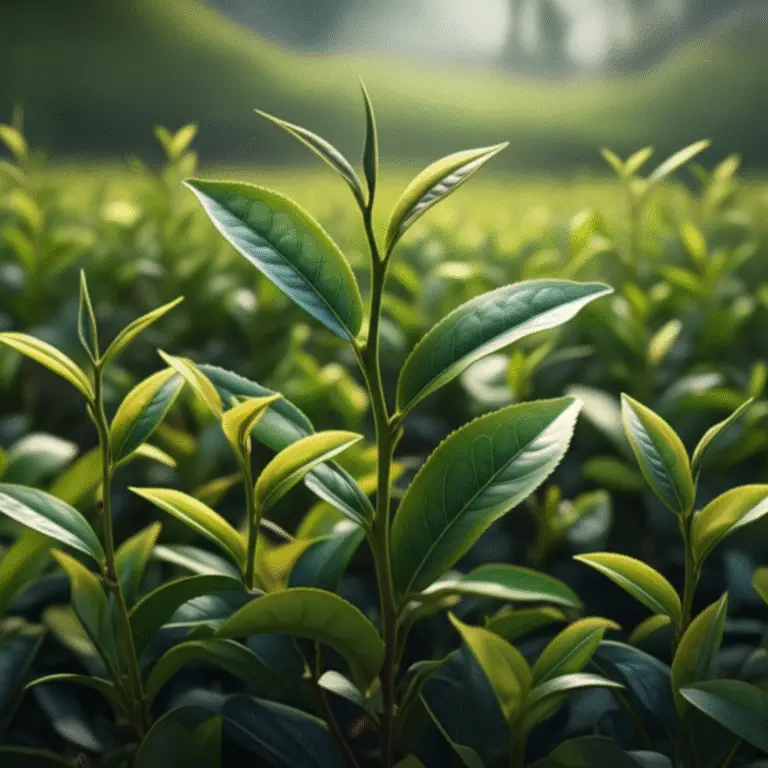
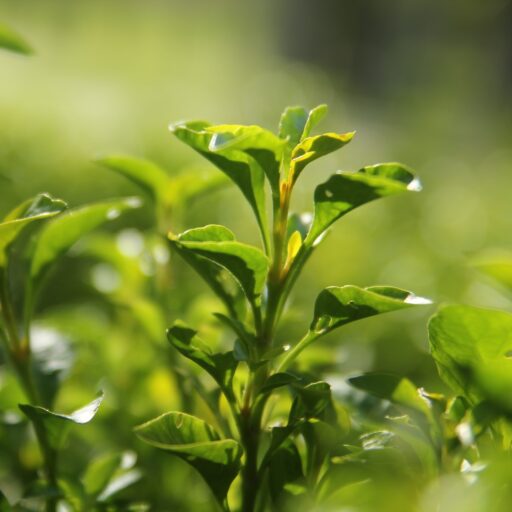
- They are evergreen, with glossy, dark green leaves that are the source of your brew.
- Flowers are small, white, and fragrant, attracting pollinators and adding ornamental charm.
1. 🌞 Mastering Sunlight Needs: How Much Light Does Your Tea Plant Crave?
Tea plants are sun lovers but with a twist.
Light Preferences
- Partial shade to full sun: Young plants prefer dappled sunlight to avoid leaf scorch. Mature plants can handle full sun, especially in cooler climates.
- Avoid harsh afternoon sun in hot regions; it can stress the plant and dry out the soil too quickly.
Tips from Growing Teas™
- We position our tea bushes where they get morning sun and afternoon shade — a sweet spot that balances energy and protection.
- Indors, place your tea plant near a bright window with filtered light.
2. 💧 Watering Wisdom: Keeping Your Tea Plant Hydrated Without Overdoing It
Watering is where many tea growers stumble — too little, and your plant wilts; too much, and roots rot.
Watering Essentials
- Tea plants like consistent moisture but not sogy soil.
- Use well-draining soil and pots with drainage holes to prevent waterlogging.
- Check soil moisture regularly; water when the top 1-2 inches feel dry.
Pro Tip
- Mulching around your tea plant helps retain moisture and regulate soil temperature.
- During hot, dry spells, increase watering frequency but always avoid standing water.
For a deep dive into watering schedules, check our article on How often should I water my tea plants?.
3. 🌿 Fertilising Fundamentals: Feeding Your Tea Plant for Lush Growth
Healthy tea plants are happy tea plants — and that means feeding them right.
What Fertilizers Work Best?
- Tea plants thrive on acidic fertilizers rich in nitrogen, potassium, and magnesium.
- Organic options like composted manure, fish emulsion, and seaweed extracts are excellent.
- Synthetic fertilizers like amonium sulfate can boost growth but use sparingly to avoid salt buildup.
Fertilizing Schedule
| Season | Fertilizer Type | Frequency | Notes |
|---|---|---|---|
| Spring | Balanced NPK (10-10-10) | Every 4-6 weeks | Supports new growth |
| Summer | Organic liquid feed | Every 3-4 weeks | Keeps leaves lush and green |
| Fall | Low nitrogen fertilizer | Once or twice | Prepares plant for dormancy |
| Winter | None | – | Plant rests, minimal feeding |
Our Experience
We swear by Espoma Holly-tone (an organic fertilizer for acid-loving plants) for our tea plants. It keeps the foliage glossy and vibrant without chemical overload.
👉 Shop Fertilizers for Tea Plants:
4. ✂️ Pruning Perfection: Shaping Your Tea Plant for Health and Harvest
Pruning isn’t just for looks — it’s a vital part of tea plant care.
Why Prune?
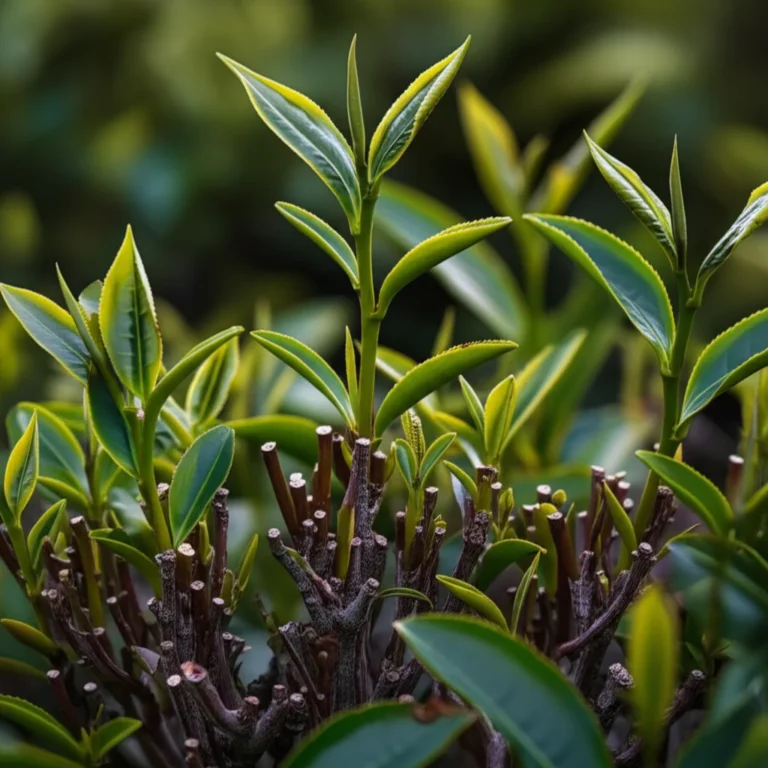
- Encourages bushy growth, increasing leaf yield.
- Removes dead or diseased branches to prevent infections.
- Helps maintain a manageable size for easier harvesting.
How to Prune
- Timing: Late winter or early spring before new growth begins.
- Tools: Sharp, clean pruning shears to avoid damaging the plant.
- Technique: Cut back about one-third of the plant, focusing on legy or weak branches.
Anecdote from Growing Teas™
Our first pruning was nerve-wracking — would we harm the plant? Turns out, it bounced back stronger, with denser foliage and more harvestable leaves. Lesson learned: pruning is a friend, not a foe!
5. 🌡️ Temperature and Humidity: Creating the Ideal Climate for Tea Plant Success
Tea plants hail from subtropical climates, so they have preferences.
Temperature Range
- Ideal daytime temps: 65°F to 85°F (18°C to 29°C).
- Can tolerate brief dips to 40°F (4°C) but not freezing.
- Protect from frost by moving container plants indoors or using frost cloths outdoors.
Humidity
- Tea plants love high humidity (60-80%).
- Use a humidifier indoors or mist leaves regularly if your air is dry.
Our Tip
We keep a shallow tray of water near indoor tea plants to boost humidity naturally — simple and effective!
6. 🪴 Growing Tea Plants Indors: Tips for Thriving Houseplant Tea Gardens
Indoor tea gardening is a rewarding challenge.
Container and Soil
- Use a 10-12 inch pot with drainage holes.
- Choose acidic, well-draining poting mix (amend with peat moss or pine bark).
Light and Placement
- Bright, indirect light near a south or east-facing window.
- Rotate the plant weekly for even growth.
Watering and Humidity
- Water when topsoil is dry; avoid overwatering.
- Increase humidity with peble trays or humidifiers.
Fertilizing
- Feed monthly during growing season with diluted organic fertilizer.
7. 🌿 Container Cultivation: Growing Tea Plants in Pots and Planters
Container growing lets you move your tea plant with the seasons.
Choosing the Right Container
| Container Type | Pros | Cons |
|---|---|---|
| Terracotta Pot | Breathable, classic look | Dries out quickly, needs frequent watering |
| Plastic Pot | Retains moisture longer | Less breathable, can overheat roots |
| Self-Watering Pot | Maintains consistent moisture | Risk of overwatering if not monitored |
Soil Mix
- Blend equal parts acidic poting soil, peat moss, and perlite for drainage and acidity.
Seasonal Care
- Bring pots indoors during frost.
- Repot every 2-3 years to refresh soil and prevent root crowding.
8. 🐛 Pest Patrol: Identifying and Managing Common Tea Plant Pests and Diseases
Tea plants are hardy but not invincible.
Common Pests
- Aphids: Small, sap-sucking insects that cause leaf curling.
- Spider mites: Tiny, web-spinning pests that cause speckled leaves.
- Scale insects: Hard-sheled bugs that stick to stems and leaves.
Disease Watch
- Root rot: Caused by overwatering and poor drainage.
- Leaf spot: Fungal infection causing brown spots on leaves.
Natural Remedies
- Spray with insecticidal soap or neem oil.
- Encourage beneficial insects like ladybugs.
- Improve air circulation and avoid waterlogging.
9. 🍂 Harvesting Tea Leaves: When and How to Pick for Perfect Brew
Harvesting is the reward for your care — but timing is everything.
What to Pick
- The top two leaves and a bud are the gold standard for tea making.
- Younger leaves have higher antioxidants and better flavor.
When to Harvest
- Start harvesting once the plant is about 3 years old.
- Pick in the morning after dew dries but before midday heat.
Harvesting Tips
- Use sharp scissors to avoid damaging the plant.
- Harvest regularly during the growing season to encourage new growth.
10. 🍵 Post-Harvest Processing: Turning Leaves into Your Favorite Tea
Harvesting is just the start — processing transforms leaves into tea.
Basic Processing Steps
| Tea Type | Processing Method |
|---|---|
| White Tea | Wither and dry leaves with minimal oxidation |
| Green Tea | Heat leaves immediately to stop oxidation (steaming or pan-firing) |
| Black Tea | Fully oxidize leaves before drying |
| Oolong Tea | Partial oxidation between green and black tea |
DIY Processing at Home
- Withering: Spread leaves thinly in a cool, airy spot for several hours.
- Heating: Use a pan or oven to stop oxidation for green tea.
- Rolling: Gently roll leaves to bruise and release enzymes.
- Drying: Use low heat or air dry until crisp.
🌍 Sustainable Tea Plant Care: Eco-Friendly Practices for Green Thumbs
We love tea plants and the planet, so sustainable care is a must.
Practices We Swear By
- Use organic fertilizers and avoid synthetic chemicals.
- Collect rainwater for irrigation.
- Compost pruned leaves and plant waste.
- Encourage pollinators by planting companion flowers.
🛠️ Troubleshooting Tea Plant Problems: Common Issues and Expert Fixes
Even the best gardeners hit snags. Here’s how to tackle common tea plant woes.
| Problem | Symptoms | Likely Cause | Fix |
|---|---|---|---|
| Yellowing leaves | Pale, yellow leaves | Overwatering or nutrient deficiency | Adjust watering; fertilize |
| Leaf drop | Leaves falling off | Suden temperature changes or underwatering | Stabilize environment; water |
| Stunted growth | Small leaves, slow development | Poor soil, lack of nutrients | Repot with fresh soil; fertilize |
| Brown leaf edges | Crispy, brown leaf margins | Low humidity or salt buildup | Increase humidity; flush soil |
📅 Seasonal Care Guide: What to Do Year-Round for Your Tea Plant
Keeping your tea plant happy means adapting care with the seasons.
| Season | Care Focus | Tips |
|---|---|---|
| Spring | Fertilize, prune, repot if needed | Encourage new growth |
| Summer | Water more frequently, watch for pests | Mulch to retain moisture |
| Fall | Reduce fertilizing, prepare for dormancy | Prune lightly |
| Winter | Protect from frost, reduce watering | Maintain humidity indoors |
🎉 Fun Facts and Tea Plant Anecdotes from Our Growing Teas™ Team
- Did you know tea plants can live for over 100 years? Our oldest bush is a venerable 15 years and still going strong!
- One of our team members accidentally brewed tea from a wild camellia — the flavor was surprisingly delightful, proving that Camellia sinensis is truly special.
- Tea gardens attract butterflies and bees, turning your backyard into a buzzing oasis.
🔗 Recommended Links for Tea Plant Enthusiasts
- Green Tea Cultivation
- Herbal Tea Planting
- Fertilizers for Tea Plants
- Organic Farming Techniques
- Health Benefits of Tea
❓ FAQ: Your Burning Questions About Tea Plant Care Answered

See the FAQ section below for detailed answers to your most pressing tea plant questions!
📚 Reference Links and Further Reading
- Jomo Studio: Green Tea Plant | Camellia Sinensis | Care Guide and Pro Tips
- Espoma Holly-tone Fertilizer
- USDA Plant Hardiness Zones
- Royal Horticultural Society: Growing Tea
- First YouTube Video on Tea Plant Care