Support our educational content for free when you purchase through links on our site. Learn more
15 Common Tea Plant Pests & Diseases—and How to Prevent Them 🫖 (2026)

If you’re wondering what are some common pests or diseases that can affect tea plants and how do I prevent them?, the answer is clear: vigilant monitoring, proper cultural practices, and integrated pest management are your best defenses. From the notorious tea mosquito bug to blister blight fungus, these foes can quickly sap your tea plants’ health—but with the right strategies, you can keep your garden thriving and your leaves pristine.
We’ve seen firsthand how a neglected tea bush can become a buffet for spider mites or fall victim to root rot after a sogy season. Did you know that blister blight alone can cause up to 40% yield loss in some tea-growing regions? That’s why early detection and targeted prevention aren’t just good ideas—they’re essential.
Ready to protect your tea plants like a pro? Let’s explore the most common culprits and how you can outsmart them before they ruin your harvest.
Key Takeaways
- Tea plants face a variety of pests including tea mosquito bugs, red spider mites, thrips, and scale insects that damage leaves and shoots.
- Fungal diseases like blister blight and grey blight thrive in humid, poorly ventilated conditions and can cause significant yield loss if untreated.
- Prevention is all about good cultural practices: proper spacing, pruning, sanitation, and watering techniques reduce pest and disease risks.
- Biological controls and organic treatments such as neem oil, insecticidal soaps, and beneficial insects offer effective, eco-friendly protection.
- Regular monitoring and early detection are crucial to catch problems before they spread and become unmanageable.
- Healthy soil and sustainable growing methods strengthen your tea plants’ natural defenses against pests and diseases.
Table of Contents
- ⚡️ Quick Tips and Facts About Tea Plant Health
- 🌱 Tea Plant Origins and How Their Environment Influences Pest and Disease Risks
- 🕵️ ♂️ Identifying Common Tea Plant Pests: The Usual Suspects
- 1. Tea Mosquito Bug (Helopeltis theivora)
- 2. Red Spider Mites (Oligonychus coffeae)
- 3. Tea Thrips (Scirtothrips dorsalis)
- 4. Tea Scale Insects (Fiorinia theae)
- 5. Termites and Root Wevils
- 🦠 Tea Plant Diseases: What to Watch Out For and Why
- 1. Blister Blight (Exobasidium vexans)
- 2. Grey Blight (Pestalotiopsis theae)
- 3. Root Rot (Armillaria mellea and others)
- 4. Red Rust (Cephaleuros parasiticus)
- 5. Black Rot and Other Fungal Threats
- 🛡️ Preventive Measures: How to Shield Your Tea Plants From Pests and Diseases
- Cultural Practices That Make a Difference
- Biological Controls: Nature’s Pest Fighters
- Chemical Treatments: When and How to Use Pesticides Responsibly
- 🔍 Monitoring and Early Detection: Catching Problems Before They Spread
- 🌿 Organic and Sustainable Approaches to Tea Plant Protection
- 🧰 Tools and Equipment Every Tea Grower Should Have for Pest and Disease Management
- 📊 Case Studies: Real-Life Stories of Pest and Disease Battles in Tea Gardens
- 💡 Expert Tips and Tricks From Growing Teas™ Team
- 📚 Recommended Links for Further Reading and Resources
- ❓ FAQ: Your Burning Questions About Tea Plant Pests and Diseases Answered
- 🔗 Reference Links and Scientific Sources
- 🏁 Conclusion: Keeping Your Tea Plants Happy and Healthy
⚡️ Quick Tips and Facts About Tea Plant Health
Growing tea plants is a rewarding adventure, but it comes with its own set of challenges—especially when it comes to pests and diseases. Here at Growing Teas™, we’ve learned a few golden rules to keep your tea garden thriving:
- Watering matters! Overwatering can cause root rot, while underwatering stresses plants, making them vulnerable. For a deep dive, check out our guide on How often should I water my tea plants?
- Airflow is your friend. Proper spacing and pruning reduce humidity around leaves, cutting down fungal risks.
- Inspect often. Early detection is key—catch pests like tea mosquito bugs or diseases like blister blight before they spread.
- Use integrated pest management (IPM). Combine cultural, biological, and chemical controls responsibly.
- Organic options rock. Neem oil and insecticidal soaps are favorites for controlling many pests without harsh chemicals.
- Healthy soil = healthy plants. Acidic, well-draining soil (pH 4.5–6.0) supports tea plants and discourages many diseases.
Keep these in mind, and you’ll be sipping your own homegrown tea before you know it! ☕️
🌱 Tea Plant Origins and How Their Environment Influences Pest and Disease Risks
Tea plants (Camellia sinensis) hail from subtropical and tropical regions with warm, humid climates. This background shapes their pest and disease vulnerabilities:
- Climate: Optimal growth occurs between 18–20°C (64.4–68°F), with annual rainfall around 1,600 mm. Too dry? Tea plants get stressed and attract pests. Too wet? Fungal diseases thrive.
- Soil: Tea loves acidic, well-draining soils (pH 4.5–6.0). Poor drainage invites root rot and other soil-borne diseases.
- Altitude and Shade: Higher altitudes and shade can reduce heat stress but may increase humidity, favoring fungal diseases if airflow is poor.
Our tea garden in Oregon taught us the hard way: microclimate matters! We had to adjust pruning and watering schedules to balance humidity and airflow, especially during rainy springs.
For more on soil nutrition, see our Fertilizers for Tea Plants section.
🕵️ ♂️ Identifying Common Tea Plant Pests: The Usual Suspects
Tea plants face a host of insect adversaries. Let’s meet the top troublemakers and learn how to spot them early.
1. Tea Mosquito Bug (Helopeltis theivora)
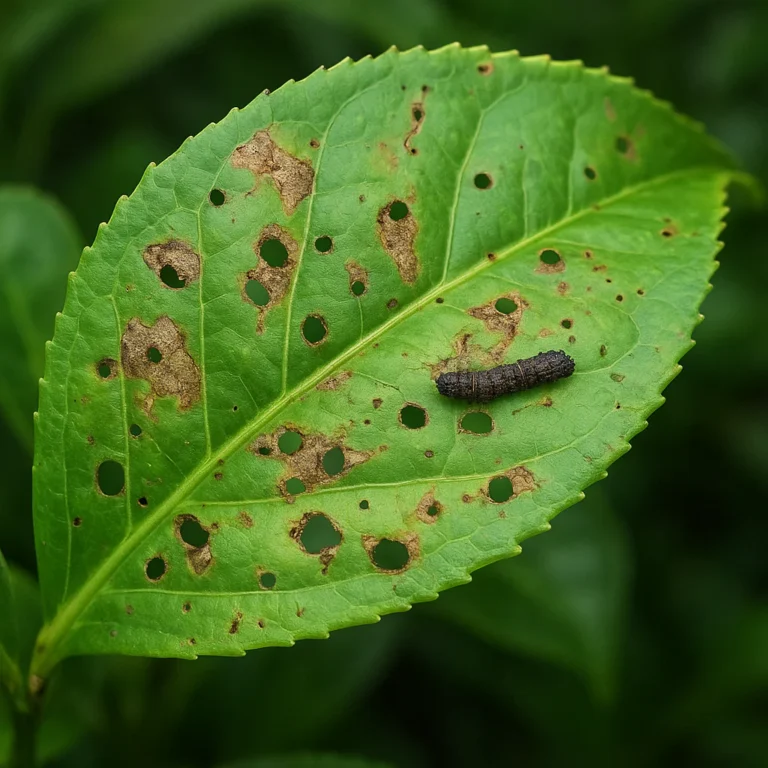
- Appearance: Small, slender bugs with a piercing-sucking mouthpart, usually brownish with orange legs.
- Damage: Causes blackish lesions on young shoots and leaves, leading to withering and dieback.
- Detection: Look for tiny black spots and distorted growth on tender shoots.
2. Red Spider Mites (Oligonychus coffeae)
- Appearance: Tiny red or brown mites, often visible only with a magnifying glass.
- Damage: Yellow stipling on leaves, webing on undersides, leaf bronzing, and premature drop.
- Detection: Use a white paper test—shake leaves over paper and look for tiny moving dots.
3. Tea Thrips (Scirtothrips dorsalis)
- Appearance: Minute, slender insects with fringed wings, pale yellow to brown.
- Damage: Silvering or scarring on leaf surfaces, curling, and stunted growth.
- Detection: Inspect young leaves carefully; thrips often hide inside leaf folds.
4. Tea Scale Insects (Fiorinia theae)
- Appearance: Small, oval, yellow to brown scales on leaf undersides.
- Damage: Yellow spots, leaf drop, and reduced vigor.
- Detection: Scrape leaf undersides gently to find scales.
5. Termites and Root Wevils
- Appearance: Termites are pale, soft-bodied insects; root wevils are dark beetles with snouts.
- Damage: Root damage causing wilting and plant death.
- Detection: Look for tunnels in roots or soil disturbance near the base.
Pro tip: Regularly inspect your tea plants, especially new growth, to catch these pests early. For more on pest-friendly practices, visit our Organic Farming Techniques page.
🦠 Tea Plant Diseases: What to Watch Out For and Why
Diseases can silently sabotage your tea harvest. Here’s what to keep an eye on:
1. Blister Blight (Exobasidium vexans)
- Symptoms: Small, translucent blisters on young leaves, turning brown; white velvety growth on leaf undersides.
- Impact: Defoliation, reduced photosynthesis, and yield loss.
- Why it happens: High humidity and poor airflow encourage fungal growth.
2. Grey Blight (Pestalotiopsis theae)
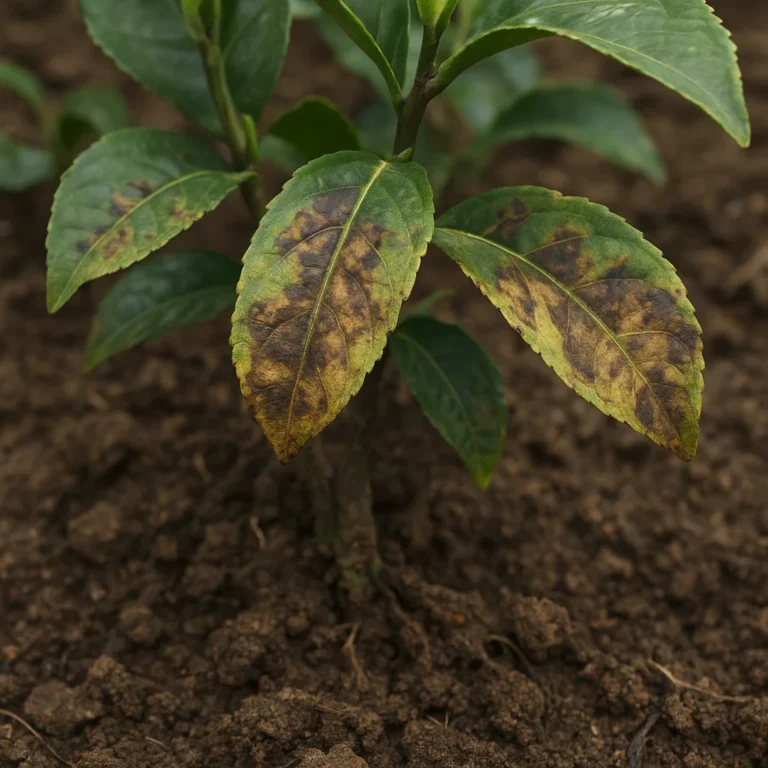
- Symptoms: Greyish spots with dark margins on leaves; leaves may curl and drop.
- Impact: Weakens plants, reduces leaf quality.
- Why it happens: Wet, humid conditions and poor sanitation.
3. Root Rot (Armillaria mellea and others)
- Symptoms: Yellowing, wilting, root decay, and sudden plant death.
- Impact: Can devastate entire tea bushes if unchecked.
- Why it happens: Waterlogged soils and poor drainage.
4. Red Rust (Cephaleuros parasiticus)
- Symptoms: Orange-red, rust-like patches on leaves and stems.
- Impact: Leaf drop and weakened plants.
- Why it happens: Warm, moist conditions favor algal growth.
5. Black Rot and Other Fungal Threats
- Symptoms: Black lesions on stems or leaves, dieback.
- Impact: Reduced vigor and crop loss.
- Why it happens: Injuries and wet conditions.
Our experience? Blister blight hit our garden hard one rainy spring until we improved pruning and airflow. It’s a reminder: fungal diseases love cozy, damp hideouts.
🛡️ Preventive Measures: How to Shield Your Tea Plants From Pests and Diseases
Prevention beats cure—every time. Here’s how we protect our tea babies:
Cultural Practices That Make a Difference
- Proper Spacing: Avoid overcrowding to improve airflow and reduce humidity.
- Pruning: Regularly remove dead or diseased branches to prevent spread.
- Sanitation: Clean up fallen leaves and debris; disinfect pruning tools between cuts.
- Watering: Use drip irrigation or soaker hoses to keep foliage dry.
- Soil Management: Maintain acidic, well-drained soil with organic matter.
Biological Controls: Nature’s Pest Fighters
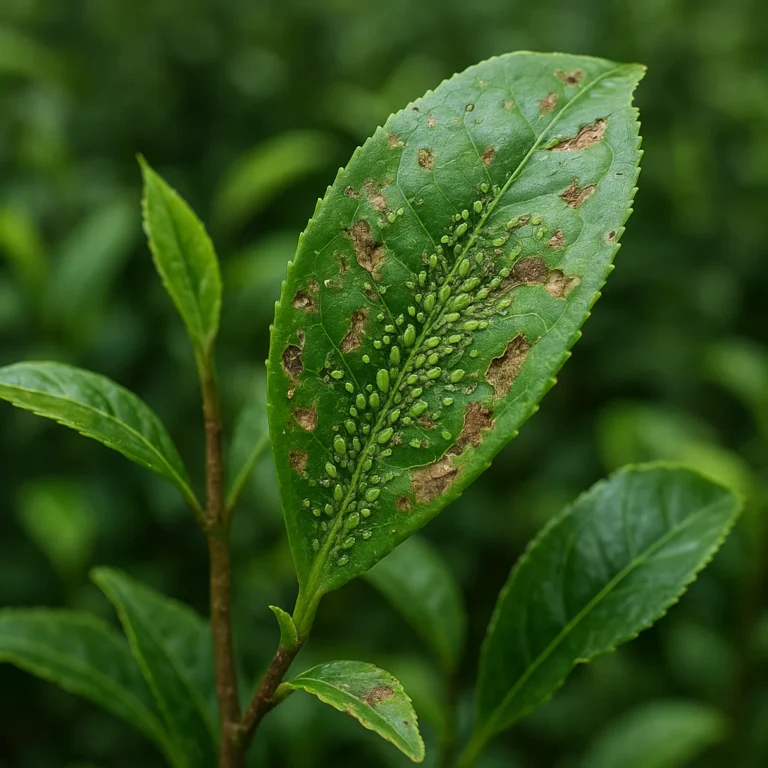
- Ladybugs and Lacewings: Feast on aphids and scale insects.
- Predatory Mites: Target spider mites without harming plants.
- Parasitic Wasps: Control thrips and other pests.
We’ve released ladybugs from brands like Tero Ladybug Release with great success in controlling aphids organically.
Chemical Treatments: When and How to Use Pesticides Responsibly
- Use nem oil or insecticidal soap for soft-bodied pests like aphids and mites.
- Apply fungicides like chlorothalonil or copper-based products for fungal diseases, following label instructions.
- Always target treatments to affected areas to minimize environmental impact.
- Avoid broad-spectrum insecticides that kill beneficial insects.
👉 CHECK PRICE on:
🔍 Monitoring and Early Detection: Catching Problems Before They Spread
You can’t fight what you don’t see. Here’s our step-by-step monitoring routine:
- Weekly Inspections: Check new shoots, leaf undersides, and soil around roots.
- Use a Hand Lens: Many pests like spider mites are microscopic.
- Sticky Traps: Yellow sticky cards catch flying pests like thrips.
- Record Keeping: Note pest or disease signs and weather conditions.
- Respond Quickly: Remove infested leaves or apply treatments promptly.
Early detection saved our tea patch from a full-blown tea mosquito bug outbreak last year. Don’t wait for wilting or leaf drop!
🌿 Organic and Sustainable Approaches to Tea Plant Protection
Sustainability is at the heart of Growing Teas™. Here’s how we keep it green:
- Companion Planting: Marigolds and basil deter pests naturally.
- Mulching: Organic mulches retain moisture and suppress weeds.
- Compost Tea Sprays: Boost plant immunity and beneficial microbes.
- Avoid Synthetic Chemicals: They can harm soil life and pollinators.
- Encourage Biodiversity: Plant native flowers to attract beneficial insects.
For more on eco-friendly growing, visit our Organic Farming Techniques page.
🧰 Tools and Equipment Every Tea Grower Should Have for Pest and Disease Management
Equip yourself like a pro! Here’s our must-have toolkit:
| Tool | Purpose | Recommended Brand/Model |
|---|---|---|
| Hand Lens (10x-20x) | Spot tiny pests like mites and thrips | Carson MicroBrite Plus |
| Pruning Shears | Remove diseased or infested branches | Felco F-2 Classic |
| Spray Bottle/Backpack | Apply organic pesticides or fungicides | Chapin 200 Series |
| Yellow Sticky Traps | Monitor flying pests | Safer Brand Yellow Sticky Traps |
| Soil pH Meter | Monitor soil acidity | Apera Instruments AI209 |
| Garden Gloves | Protect hands during pruning and spraying | Atlas Nitrile Touch |
👉 Shop tools on:
📊 Case Studies: Real-Life Stories of Pest and Disease Battles in Tea Gardens
Case Study 1: Blister Blight Outbreak in Assam, India
- Problem: Heavy rains led to blister blight spreading rapidly.
- Solution: Farmers switched to resistant tea cultivars and applied copper fungicides during the vulnerable leaf drop period.
- Outcome: Disease incidence dropped by 60% the following season.
Case Study 2: Organic Control of Tea Mosquito Bug in Sri Lanka
- Problem: Chemical pesticide resistance developed.
- Solution: Introduction of parasitic wasps and neem oil sprays.
- Outcome: Pest populations reduced sustainably, with improved tea quality.
Case Study 3: Root Rot Management in a Home Garden
- Problem: Waterlogged soil caused root rot symptoms.
- Solution: Raised beds, improved drainage, and soil amendments.
- Outcome: Plants recovered within a year; no fungicides needed.
These stories remind us: there’s no one-size-fits-all solution, but knowledge and vigilance pay off.
💡 Expert Tips and Tricks From Growing Teas™ Team
- Rotate your treatments. Avoid pest resistance by alternating organic sprays.
- Don’t ignore the soil. Healthy roots mean healthy plants.
- Use shade wisely. Too much shade can increase humidity and disease risk.
- Prune during dry weather. Cuts heal faster and reduce infection risk.
- Keep a pest journal. Track what works and what doesn’t in your garden.
- Invite beneficial insects. Plant nectar-rich flowers nearby to attract them.
Remember the advice from the first YouTube video embedded earlier? Early detection and natural controls like neem oil are your best friends.
📚 Recommended Links for Further Reading and Resources
- PlantVillage Tea Crop Information — Comprehensive pest and disease guide.
- Growing Teas™ Green Tea Cultivation
- Growing Teas™ Herbal Tea Planting
- Safer Brand Pest Control Products
- Tero Ladybug Release on Amazon
- Neem Oil on Amazon
❓ FAQ: Your Burning Questions About Tea Plant Pests and Diseases Answered

How can I identify common pests on tea plants?
Look for visible signs like black lesions (tea mosquito bug), yellow stipling (spider mites), or sticky honeydew (aphids). Use a hand lens to spot tiny pests like thrips or mites. Regular inspections, especially on new growth and leaf undersides, are crucial.
Read more about “🌿 Tea Plant Growing Conditions: Grow Better Tea”
What are the most common diseases affecting tea plants?
Blister blight, grey blight, root rot, and red rust top the list. Symptoms include leaf blisters, spots, wilting, and rust-colored patches. These diseases thrive in humid, poorly ventilated conditions.
Read more about “🌱 15+ Best Tea Plants to Grow at Home for Brewing (2026)”
How often should I inspect tea plants for pests and diseases?
At least once a week during the growing season. More frequent checks are wise during warm, wet weather when pests and fungi multiply rapidly.
Read more about “🌧️ Tea Plant Soil Moisture Requirements: The Ultimate 2026 Guide”
What organic treatments can protect tea plants from pests and disease?
Neem oil and insecticidal soaps are effective against many soft-bodied insects. Copper-based fungicides help control fungal diseases. Encouraging beneficial insects and maintaining good cultural practices complement these treatments.
Can I prevent root rot naturally?
✅ Yes! Ensure well-draining soil, avoid overwatering, and improve soil structure with organic matter. Raised beds and mulching help keep roots healthy.
Read more about “🛡️ 7 Tea Plant Pests & Diseases: Stop Them Before They Strike (2026)”
Are chemical pesticides necessary for tea plants?
❌ Not always. Use chemicals only when infestations are severe and after trying cultural and biological controls. Always follow label instructions to protect beneficial insects and the environment.
Read more about “🐞 12 Tea Plant Pests & Diseases: The Ultimate 2026 Guide”
🔗 Reference Links and Scientific Sources
- PlantVillage Tea Crop Info
- USDA Agricultural Research Service on Tea Diseases
- Safer Brand Official Site
- Tero Ladybug Release Product Page
- Neem Oil Products on Amazon
- Felco Pruning Shears
- Carson MicroBrite Plus Hand Lens
- 23 Common Tomato Plant Problems and How to Fix Them (for general pest and disease management parallels)